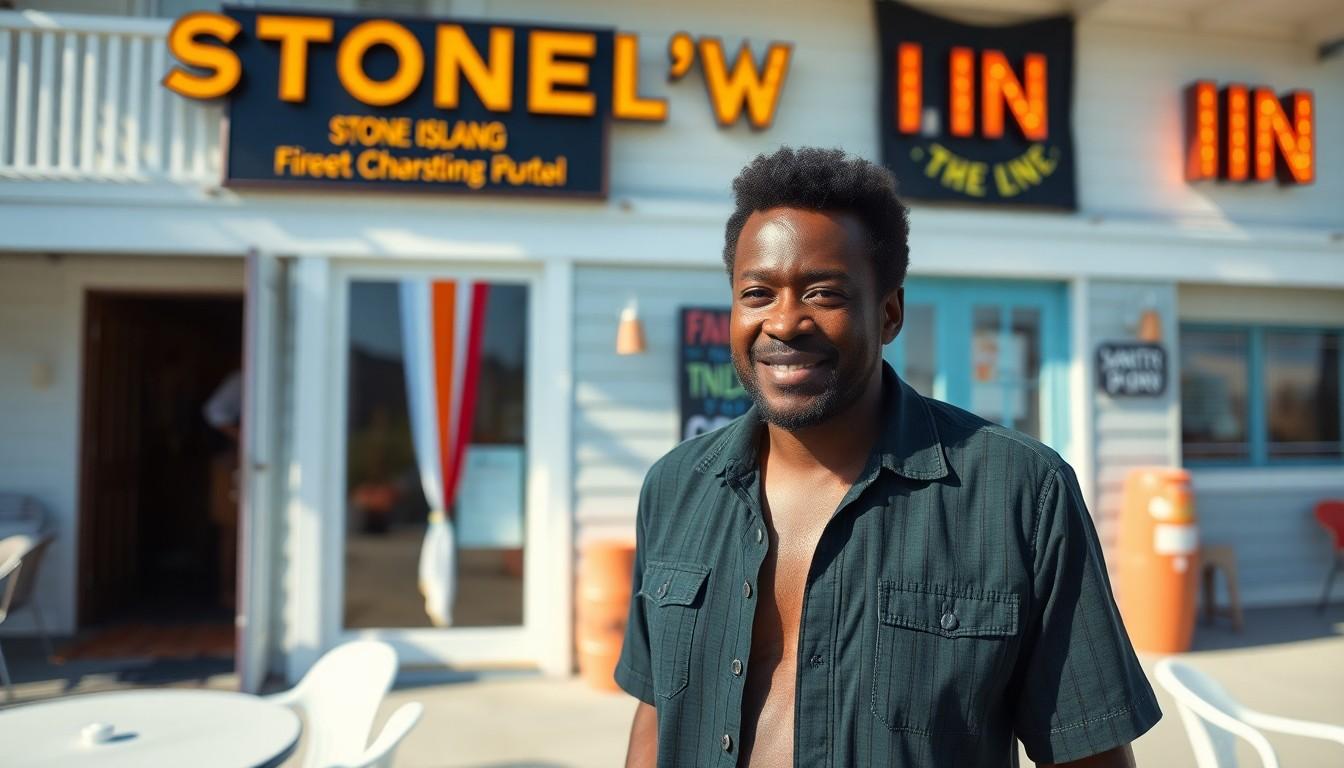
Shoppers and readers are talking after Billy Porter got startlingly candid about his love life in the new Fire Island documentary , admitting he once called escorts and even hired a “professional” to teach him how to bottom, a revelation that underlines changing sexual cultures and the personal costs of public life.
Essential Takeaways
- Frank admission: Billy Porter says he hired a professional to learn how to bottom, recounting a pre-internet era of cruising and magazine phone lines.
- Fire Island nostalgia: Porter paints a vivid picture of Meat Rack culture and the sense of magic he felt when he first visited the beach.
- Safety and stigma: He links sexual roles to early AIDS-era fears, explaining why many men identified as tops for safety.
- Voice and ritual: Before apps, calling and vetting over the phone carried erotic allure and a different kind of intimacy.
- Diversity shift: Porter notes Fire Island used to feel segregated but has become more diverse over time.
Billy Porter’s reveal lands like a lightning bolt , and it’s oddly comforting
Porter’s confession has a neat, human zing to it: a star who’s unafraid to talk about awkward, intimate learning curves. According to coverage of the new YouTube documentary, Finding Fire Island, he describes calling escorts from HX magazine and paying someone to teach him how to bottom. The line between celebrity mystique and ordinary curiosity collapsed for a moment, and it’s refreshing to hear. These details feel tactile , the hum of a payphone, the rustle of a magazine , reminding us how different sex looked before smartphones.
Fire Island then: cruising rituals and the meat rack culture
Porter’s memories of Fire Island read like a short social history lesson with a personal soundtrack. He recounts arriving in 1990 for Miss Saigon and discovering a beach life he’d never known, where Broadway folk decamped on Mondays and the Meat Rack offered spontaneous encounters. That setting isn’t just backdrop; it shaped how men met, flirted and negotiated desire in an era before Grindr changed everything. For anyone trying to understand queer social life, his anecdote is both vivid and instructive.
Why people assigned sexual roles during the AIDS crisis , and how that changed
One striking point Porter makes ties sexual identity to survival instincts. Early AIDS panic led many men to assert themselves as tops, a response born of fear rather than firm preference. Porter says he shifted by his 30s, wanting to be versatile, and seeking guidance because there wasn’t a how-to culture openly circulating at the time. It’s a reminder that sexual behaviour is often shaped by public health, stigma and access to information , not just desire.
The phone-call era felt intimate in a way apps don’t
Porter’s description of vetting escorts over the phone captures a small, sensory truth: you heard someone’s voice, you imagined them, and that made encounters mysterious and charged. The ritual of calling, listening and deciding felt like a slow, deliberate flirtation. Today’s swiping culture is faster and more visual, but it’s worth remembering the distinct pleasures and anxieties that once came with slower courtship. If you’re reflecting on your own dating history, notice what you’ve lost and what you’ve gained with technology.
What this says about celebrity, privacy and candid storytelling
When a public figure talks about intimate missteps, it does two things: humanises them and opens up a conversation that people shy away from. Porter’s honesty about sex education , paid or otherwise , is part confession, part cultural commentary. It’s also part memoir: moving from poverty to Broadway to Fire Island, he maps how access and opportunity changed his life and choices. For fans, there’s solace in his candour; for the wider community, it’s a prompt to discuss how we learn about sex and safety.
It's a small, bracing confession that makes wider questions about desire, safety and community feel immediate.
Source Reference Map
Story idea inspired by: [1]
Sources by paragraph: