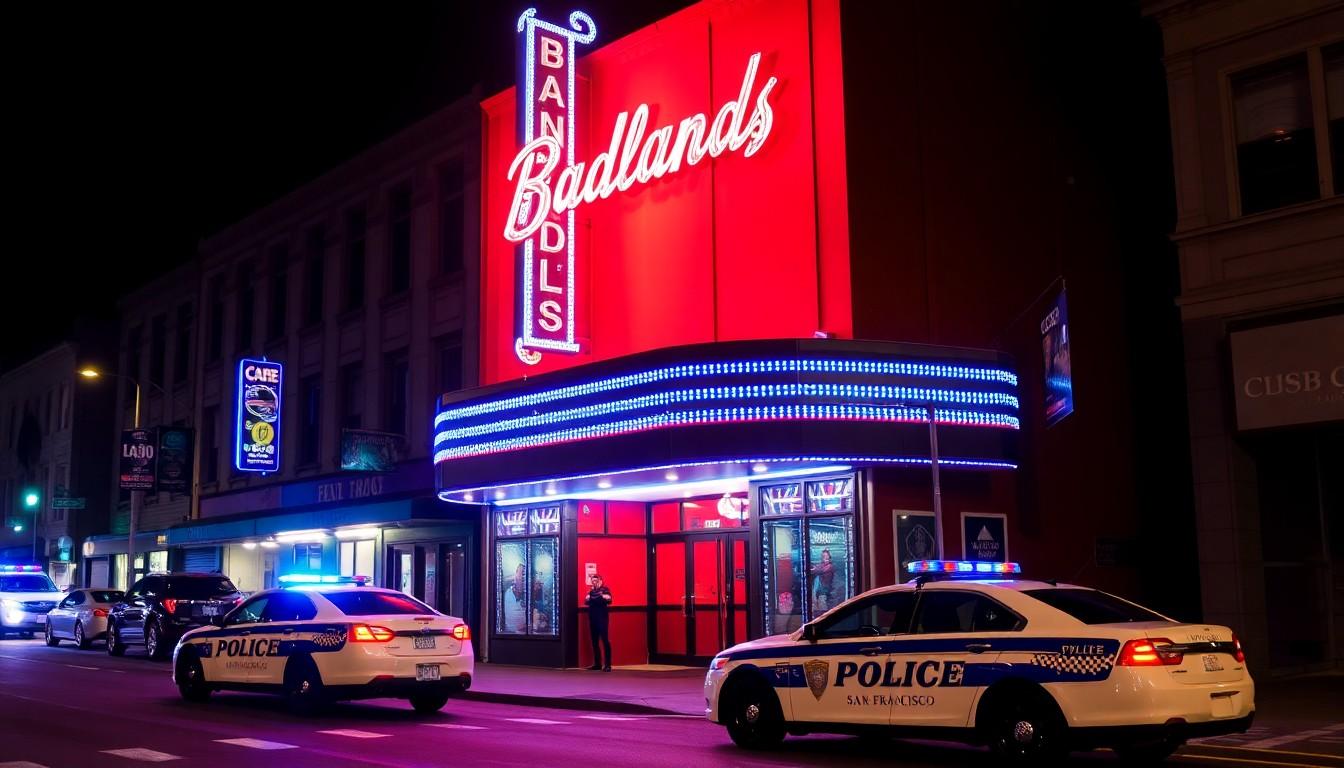
Shoppers, residents and Pride-goers are asking questions after a reported threat at Castro nightclub Badlands; the incident, calls to 311 and 911, and slow police arrival have prompted city leaders to promise a review of downtown beat hours as Pride weekend approaches. This matters for anyone who wants to feel safe in San Francisco’s LGBTQ hub.
Essential Takeaways
- What happened: A banned patron allegedly threatened staff and customers at Badlands on 18th Street; staff and patrons called city services, and a patron later called 911.
- Response time concerns: The reporting patron says officers only arrived more than an hour after the first 311 contact, raising worries about night-time patrol coverage.
- Police action: The SFPD says it is actively investigating, documented threats, and is searching for the individual.
- Leadership response: Chief Derrick Lew has said he’ll reassess Castro beat officer hours; the mayor and district attorney emphasised public-safety planning for Pride.
- Practical tip: If you believe a threat is imminent, call 911; document details and follow up with venue management and local community groups.
Why this incident grabbed attention , and felt unsettling
There’s an immediate, human part to this story: staff leaving work early because they felt unsafe, a regular asked to make calls, and the tense atmosphere outside a beloved local bar. According to local reporting, the man who raised the alarm said he first dialled 311 late in the evening and only placed a 911 call after seeing the alleged threat return across the street. That sequence , and the delay in officers arriving , is what’s fuelling concern among residents and patrons ahead of large events. People in tight-knit neighbourhoods like the Castro expect a quick, visible police presence when threats surface, and when that doesn’t happen it hits an emotional nerve.
What the police say and what they’re doing
San Francisco police spokespeople have told reporters the department is investigating, met with the reporting party, collected evidence and filed an incident report. At a Pride-week press briefing, Chief Derrick Lew acknowledged the complaints and promised a review of patrol schedules and deployments. Meanwhile, the mayor reassured the public that planning for Pride includes local, state and federal coordination. It’s a typical public-safety dance: reassure, investigate, learn , and then decide whether procedures or staffing need to change.
The beat schedule debate: daytime patrols vs nightlife needs
SFPD leaders have previously said the “swing watch” hours tend to be daytime to early evening, based on where most complaints come from. That logic makes operational sense on paper, but nightlife venues and their neighbours tell a different story: incidents happen after midnight and sometimes need immediate attention. Chief Lew’s promise to reassess beat hours recognises that policing models have to balance limited resources with on-the-ground realities. For residents, the key takeaway is simple , there’s a push to match patrol patterns more closely to when people actually need help.
Practical steps for venues and patrons
Venues can help by training staff on de-escalation and clear procedures for when to call 911 versus 311, and by keeping incident logs and CCTV where possible. Patrons should document threats (screenshots, times, witness names) and report immediately to 911 if they believe violence is imminent. Community groups can act as rapid communication bridges , sharing safety alerts in neighbourhood channels, coordinating with venue owners, and urging timely follow-up with police. These small, practical measures make a difference while the larger policy review takes shape.
What this means for Pride and the neighbourhood going forward
Officials are saying the city will be fully staffed for Pride with specialised units along the route, and prosecutors have emphasised accountability for hate-motivated acts. That’s reassuring in tone, though residents will be watching for concrete changes: earlier or extended beat patrols, clearer 311-to-911 escalation protocols, and faster on-scene times. In the end, safety in the Castro depends on all of us , venues, patrons, community leaders and police , keeping lines of communication open and prioritising prompt action when someone is at risk.
It's a small change to make every night out feel a bit safer.
Source Reference Map
Story idea inspired by: [1]
Sources by paragraph: