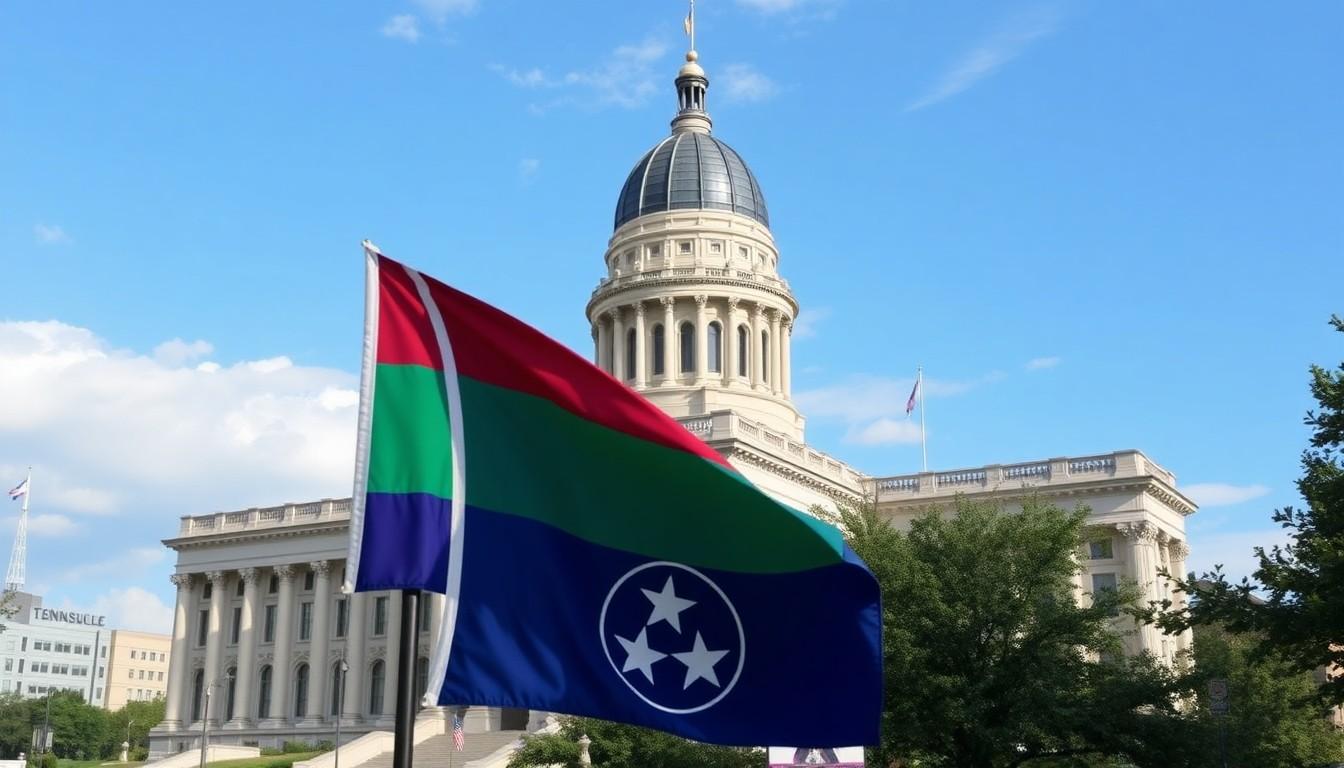
Shoppers are noticing a political face‑off in June: several Republican‑led states are rebranding Pride Month with “family”‑focused proclamations, a move that shifts attention from LGBTQ+ rights to conservative ideas of fidelity and the nuclear family , and it matters for safety, services and public debate.
Essential Takeaways
- Who’s doing it: Several Republican governors and legislatures in states including Alabama, Utah, Arkansas and Tennessee have issued proclamations renaming June with labels such as Strong Families Month, Fidelity Month or Nuclear Family Month.
- What it feels like: The rebrands are a quiet, staid contrast to the colourful, celebratory tone of Pride parades and community events.
- Why it matters: Advocates say the moves contribute to cultural erasure and can worsen risks facing LGBTQ+ people, including higher rates of homelessness and targeted violence.
- Practical reality: These proclamations don’t change federal law, but they shape state messaging, funding priorities and the daily climate for schools, workplaces and services.
- Where it connects: Observers link the strategy to broader political tactics that divert attention from economic strains and policy failures.
What governors actually proclaimed , the headlines and the gestures
States from Alabama to Utah issued formal months‑long proclamations with family‑oriented titles that overlap with Pride. The language is deliberately wholesome , “Strong Families Month” in Alabama, “Fidelity Month” in Utah and Arkansas, and “Nuclear Family Month” in other places , but the visual is flat compared with the parade banners and rainbow flags you see in city centres. According to state press offices and reporting by Stateline and local outlets, these are official gestures signed by governors or passed through legislatures. They’re symbolic, not legislative, yet symbols shape public life and can legitimize certain views over others.
Why advocates say this isn’t just semantics
LGBTQ+ advocates argue the rebrands do more than rename a month; they shift the story. Pride originated as protest and survival, and for many it remains a life‑affirming defence against discrimination. When state leaders substitute different language, the effect can be erasure. Reporting from the Washington Post and NBC shows community leaders warning that rhetoric contributes to a climate where hate crimes and mental‑health risks rise. The worry is practical as well as symbolic: when public messaging sidelines queer concerns, funding, services and protections can follow suit.
Politics meets economics , distraction or strategy?
There’s a political logic to the timing. Commentators point out that cultural targets have long been used to rally bases while headlines about the economy fade. With inflation, housing and childcare still pinching households, some critics say the rebranding acts as a diversion. Coverage in LiveMint and Stateline connects the proclamations to broader GOP messaging strategies that emphasise “traditional” family structures at a moment when many Americans are struggling financially. Whether intentional distraction or sincere policy emphasis, the result is the same: the debate becomes about identity and values, not the cost of living.
Real‑world consequences: services, safety and young people
This isn’t only about adults at rallies. Research and reporting referenced by Kotatv and the Washington Post show transgender and queer youth face higher risks of homelessness and poorer access to healthcare when public institutions are unwelcoming. Public proclamations that marginalise or silence LGBTQ+ experiences can make it harder for schools, shelters and clinics to prioritise inclusive services. Practical advice for families and young people: seek out local LGBT+ centres, confirm nondiscrimination policies at schools and healthcare providers, and document any incidents to local civil‑rights groups.
What supporters of the proclamations say , and what to watch next
Supporters frame the proclamations as affirming family stability and values. Governor offices have released statements explaining the intent to celebrate families broadly. Meanwhile, national outlets such as NBC and local reports show these moves are resonating politically in some communities even as they alarm others. Watch for follow‑ups in state budgets, education guidances, and local council actions , words on a proclamation often foreshadow the priorities that follow in policy and funding decisions.
It's a small change in wording with outsized cultural weight; pay attention to how your local leaders talk about June, and to the services that actually support people in need.
Source Reference Map
Story idea inspired by: [1]
Sources by paragraph: