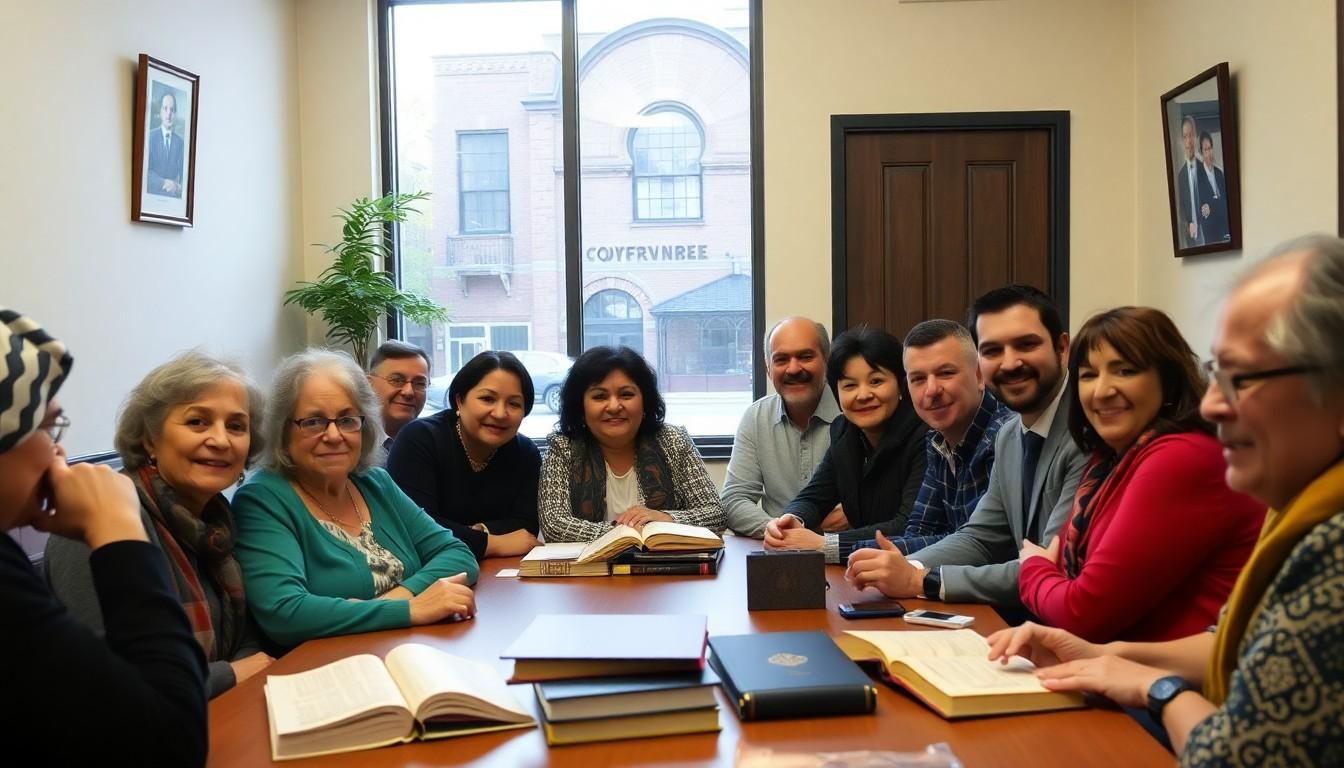
Shoppers of community life are choosing grassroots spaces that blend Sephardic and Mizrahi ritual, food and music with clear LGBTQ inclusion. In cities such as New York, organisers have built egalitarian prayer rooms, monthly Shabbats and activist networks that matter because they let people be whole , culturally, spiritually and politically.
Essential Takeaways
- Growing movement: Grassroots groups like Kanisse and the Sephardic Mizrahi Q Network (SMQN) have expanded since the late 2010s, creating regular services, dinners and programmes.
- Egalitarian feel: Kanisse uses mixed seating and opens traditional roles , shliḥe ṣibbur and aliyot , to people of all genders, while keeping Sephardic liturgy and melodies.
- Cultural specificity: Events range from Baghdadi-Indian Shabbat meals to Ancient Aleppo services, offering a sensory mix of music, spices and ancestral ritual.
- Volunteer-powered: These communities rely on heavy volunteer labour and hospitality , the kind of grassroots energy that fuels growth and mentorship.
- Family-friendly impact: These spaces support not only LGBTQ individuals but their parents and wider families, helping bridge generational gaps.
Roots and raison d’être: why a new kind of Sephardic space matters
Kanisse began as an answer to a common squeeze: liturgy and spiritual forms that felt like home, but no clear welcome for queer identities. According to organisers, people wanted the melodies, tunes and communal textures of Sephardic worship without being asked to leave parts of themselves at the door. That sensory tug , the sound of a particular maqam or a favourite piyut , often proved decisive in drawing people back into prayer. For many, the relief of finding both authenticity and welcome was palpable. Practical takeaway: if you want a synagogue that smells like home and accepts who you are, look for communities framing services around regional liturgy and egalitarian practice.
How Kanisse rewrites tradition without losing ritual
Kanisse has deliberately kept Sephardic liturgical forms while making seating and honours accessible to all genders and orientations. The community produced an egalitarian Sephardic machzor for holidays and regularly hosts themed Shabbats that spotlight diasporic traditions, from Aleppo to Baghdadi-Indian customs. That balance , reverence for inherited ritual alongside intentional inclusivity , is why many participants say they finally feel spiritually and culturally whole. If you’re choosing a service, ask whether the prayer book and melodies reflect the community you belong to, and whether honours are open to everyone.
SMQN and dinners: the power of a shared table
The Sephardic Mizrahi Q Network began with monthly Shabbat dinners and education, and has grown into a network that spans cities across North America. These meals do more than feed people; they transmit recipes, stories and belonging. Hosts often cook labour‑intensive family dishes that taste like memory and carry generational meaning, and that effort is part of the welcome. For organisers, hospitality is organising: a pot of sabzi or a tray of stuffed vegetables becomes a way to mentor younger people and to normalise queer presence in family-centred settings. Tip: if you want to plug into these networks, start by RSVPing to a community dinner , you’ll meet people who are already doing the work.
Activism, digital organising and new voices
Grassroots organising among Sephardic and Mizrahi queer Jews isn’t limited to prayer and food; it extends into online campaigns and advocacy. Projects launched in response to recent geopolitical shocks and rising antisemitism used queer, progressive digital language to reach younger audiences and those who felt unrepresented by mainstream organisations. Those initiatives show how culturally specific voices can shape conversations about antisemitism, Zionism and queer identity without being boxed into single narratives. For readers, that means following these networks online is a quick way to find events, resources and platforms that reflect mixed identities.
What this change feels like for families and newcomers
Participants report that these communities have shifted family dynamics , parents who once sat on the sidelines are now attending events alongside their LGBTQ children. That visible family support matters at a sensory level: the hum of multiple generations at a single table, the smell of home cooking, the clicks of conversation. Newcomers often describe the experience as both unfamiliar and deeply ancestral, a rare mix that helps people stay in religious life while claiming queer identity. If you’re bringing family, choose gatherings that explicitly welcome intergenerational attendance and offer conversation spaces for parents.
It's a small change that can make communal life feel more like home.
Source Reference Map
Story idea inspired by: [1]
Sources by paragraph: