Discover lively, packed talks and walking tours that map San Francisco’s queer past , who’s leading them, where they go, and why these tours matter to locals and visitors alike this Pride season. Expect spirited anecdotes, vintage bar stories, and practical tips for picking the right tour.
Essential Takeaways
- Local expert-led: Shawn Sprockett runs popular Unspeakable Vice tours focusing on North Beach, Tenderloin/Polk and soon the Castro.
- Hands-on history: Tours mix lively storytelling with on-street sites like the Black Cat Cafe and former gay nightlife hubs.
- Accessible price: North Beach tours are partnered with the San Francisco Historical Society and run at about $20.
- Emotional resonance: Older attendees often share first-hand memories, while younger visitors gain a sense of belonging and continuity.
- Practical tip: Tours are often monthly and timed for mornings or early afternoons , book ahead during Pride and weekends.
Why a walking tour still beats a textbook for queer San Francisco history
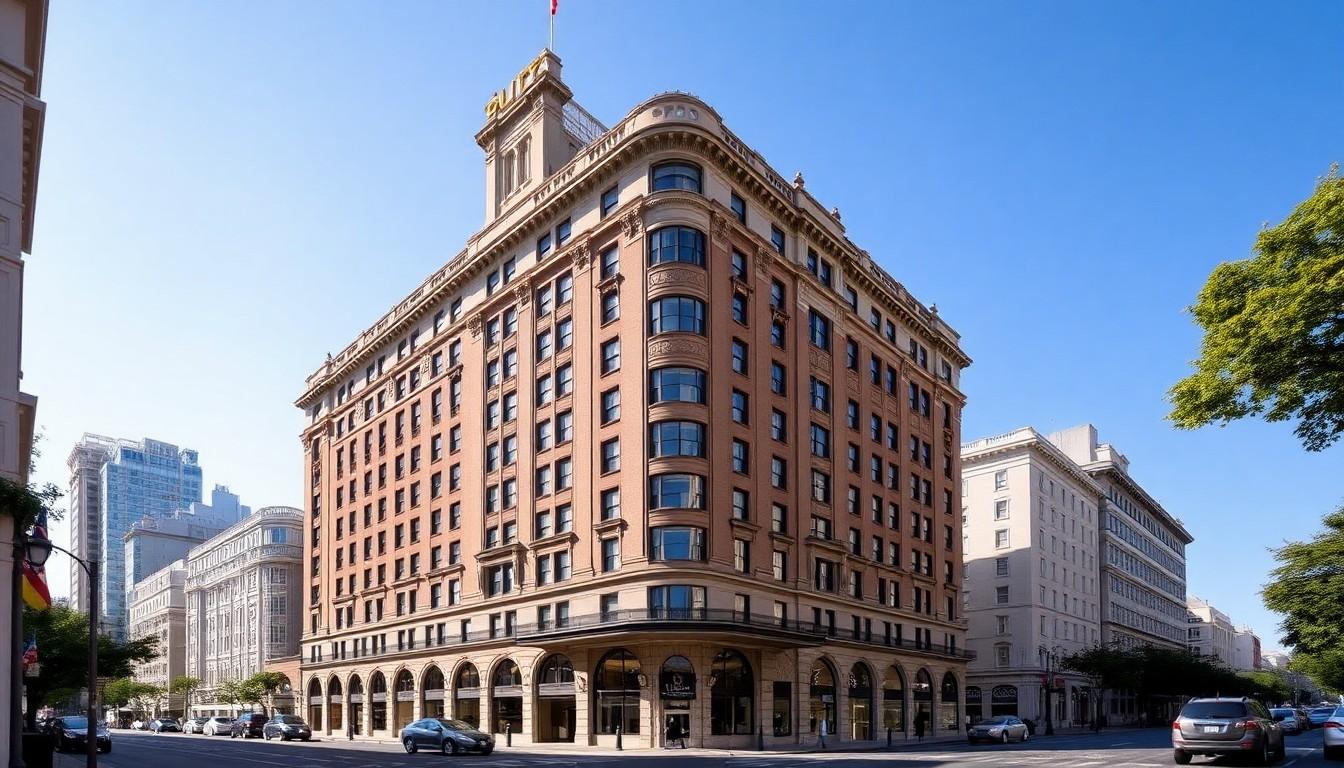
There’s a warm immediacy to standing on the very pavement where singers and activists once worked and loved. Visitors at a recent Clift Royal Sonesta Hotel event heard Shawn Sprockett deliver a brisk, image-rich roundup of the city’s queer past , the sort of talk that makes people want to follow it up with a walk. According to the organisers and attendees, the on-street tours add smells, sounds and the small details that make history feel lived-in and human. If you want context and atmosphere in equal measure, a guided stroll through North Beach or Polk is hard to beat.
Meet the guide: Unspeakable Vice and how it grew from curiosity to regular programme
Sprockett began Unspeakable Vice after moving from the Castro and discovering North Beach’s own queer roots through neighbours, bartenders and archival reads. What started as a short passion project expanded as he gathered oral histories and primary sources, and the San Francisco Historical Society eventually helped formalise a monthly North Beach tour. So if you see a tour listed for 11 a.m. on a Saturday, chances are it’s the result of years of piecing together memories and dusty records , and plenty of encouragement from local institutions.
What you’ll see and hear on the route
Expect stories about lively taverns, speakeasies and the Black Cat Cafe , early venues that survived legal challenges and helped define queer public life. Guides trace shifts from North Beach to the Tenderloin and Polk as policing and social pressure pushed nightlife into new neighbourhoods. Along the way you’ll hear about figures like José Sarria and moments that helped cement the city’s reputation as a queer capital. These tours foreground sensory detail , the cramped feel of old bars, the music, and even the small gestures people used to signal one another in crowded rooms.
Where tours run and how to choose the right one
Tours are now offered with different partners: the San Francisco Historical Society hosts the North Beach route, the Tenderloin Museum collaborates on the Valley of the Queens walk, and library or city listings often show dates and ticket info. If you’re after early social history, pick North Beach; if mid-century nightlife and sex-work history interest you, opt for the Tenderloin/Polk route; and the Castro-focused walk will suit those wanting later 20th-century activism. Check times , many are mid-morning or afternoon on weekends , and book in advance if your visit overlaps Pride.
Why these tours matter, even for locals who think they know the city
History here is fragile: generations were lost to AIDS and archival gaps remain, so each oral account or photograph fills in the city’s memory. Older residents attend to remember and younger ones to learn pride in place and practice. Organisers say these tours help stitch together a history that institutional records sometimes ignore. Beyond nostalgia, the tours prompt conversations about urban change, policing, and the politics of public space , matters that still affect queer residents today.
It's a small step to join a tour, but it can change the way you see the city.
Source Reference Map
Story idea inspired by: [1]
Sources by paragraph: