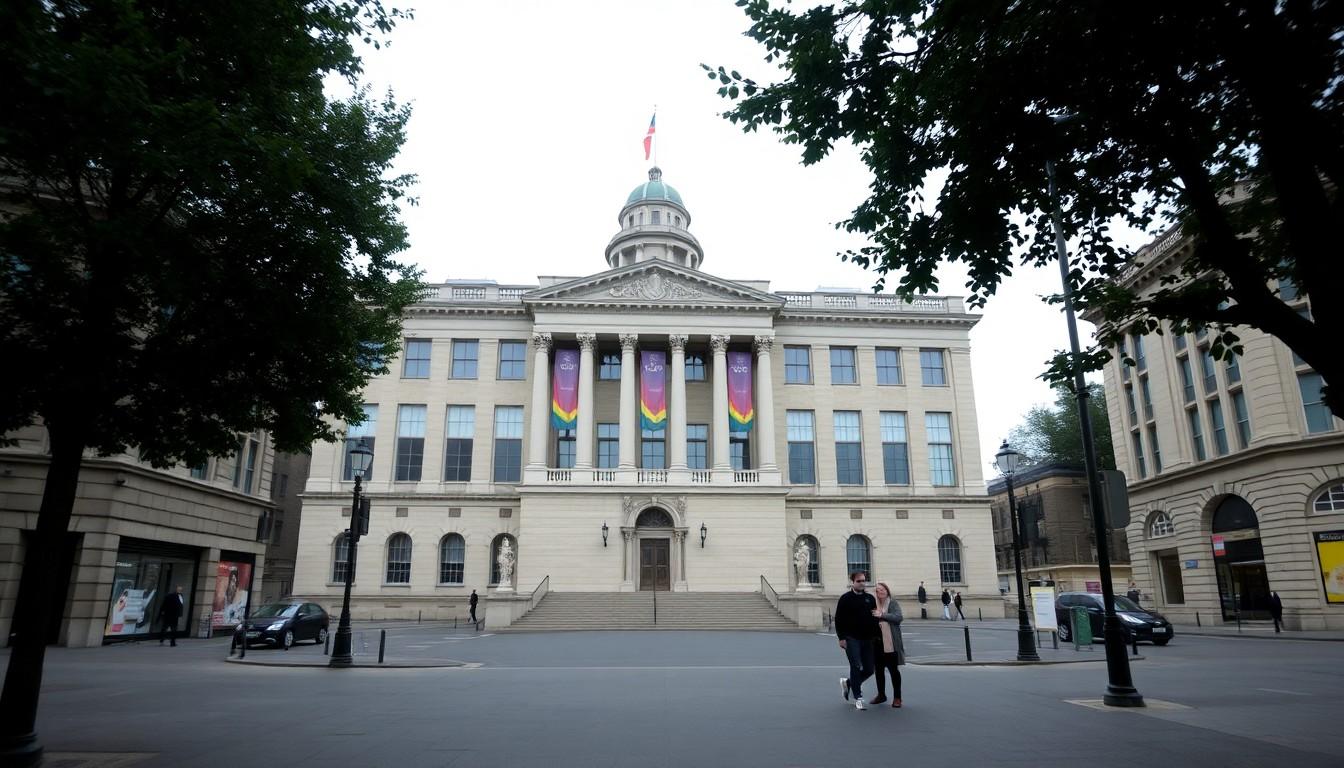
Shocked community members are responding after reports that the Northern Ireland Civil Service will not formally take part in this year’s Belfast Pride , a move organisers and staff networks say trims an important public signal of inclusion and safety. Here’s what’s happening, why it matters, and how individuals and organisations are reacting.
Essential Takeaways
- NICS decision: The Northern Ireland Civil Service has reportedly withdrawn permission for staff to march as an official block, citing legal and case law concerns.
- Pride organisers’ view: Belfast Pride says the move undermines visibility and confuses neutrality with withdrawing basic human dignity.
- Staff impact: LGBTQIA+ civil servants have been described as hurt and are encouraged to attend as individuals rather than an official group.
- Political split: Executive parties and MLAs are split on whether official participation breaches public-service neutrality.
- Practical next steps: Community groups and unions are inviting staff and the public to show support through individual attendance and allied groups.
Why the NICS step-back feels like a setback for visibility
Belfast Pride organisers say the civil service withdrawing its official block sends a sensory, visible change , fewer organised banners, fewer colleagues in matching shirts, and a quieter institutional presence. Pride has long used that kind of sightline to reassure staff and the public alike that workplaces are welcoming. According to organisers, seeing civil servants march openly was a simple, powerful way to show that institutions value diversity.
The story has its backstory in recent political tensions. Some MLAs and parties argue that public bodies must remain neutral and that taking part in a parade with political elements could breach that duty. That won’t comfort staff who say the loss of an official group feels personal and symbolic. For many, neutrality shouldn’t mean erasing recognition of basic human rights.
How politics and law shaped the decision
Reports linked the move to the “current legal and case law context”, suggesting the NICS is wary of judicial or political challenge. Executive parties are split on the issue, which has turned a cultural moment into a governance debate. The result is a cautious public service trying to avoid accusations of political partiality.
That said, organisers argue demanding equality isn’t a political act so much as a human-rights stance. If you’re trying to choose a workplace policy, balance is key: protect staff rights and visibility while carefully navigating legal advice and public expectations.
What this means for civil servants and staff networks
For nearly 25,000 staff across Northern Ireland, the NICS move removes a formal channel for collective visibility. Staff networks say they’ve been a vital part of past parades, offering a visible sign that LGBTQIA+ employees are supported. The immediate message from organisers is practical and warm: you can still join Pride as an individual, and you remain welcome.
If you’re a civil servant unsure what to do, consider joining as a private citizen or linking up with unions or community groups. Bring friends or family; visibility doesn’t depend only on official banners.
How community groups and parties are responding
Local unions, student groups and political parties have been active in previous years, and many are already preparing to fill gaps. Community organisers are urging individuals to show up and are lining up alternatives , from affiliated groups to informal marches , to make sure the streets stay colourful and noisy.
Expect more visible grassroots organising this year. If you want to help, check local group pages for logistics and safety guidance, or volunteer to support stewards and accessibility needs.
Why this debate matters beyond one parade
This isn’t just about a single event; it’s about how public institutions signal inclusion day to day. When a big employer quietly steps back from marching, it raises questions about workplace culture, staff wellbeing and the meaning of neutrality in a divided political climate.
There’s a practical takeaway: visibility matters, and so does choice. Institutions can protect impartiality while still making clear that harassment or discrimination won’t be tolerated. Meanwhile, individuals and allies can keep public solidarity alive by turning up.
It's a small change that can make every march feel more intentional , and your presence still counts.
Source Reference Map
Story idea inspired by: [1]
Sources by paragraph: