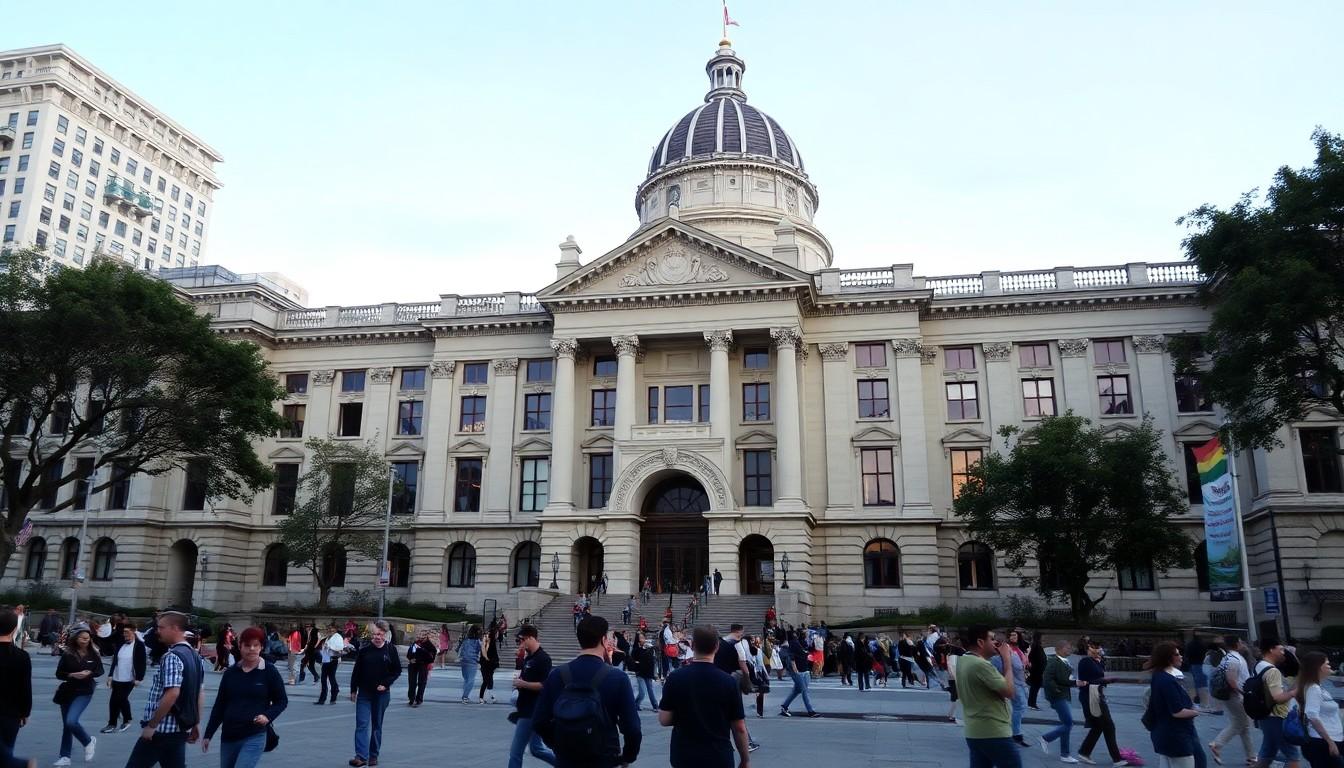
Shoppers and celebrants are packing the city for Pride, but many LGBTQ residents are watching Mayor Daniel Lurie’s budget closely , it touches health services, HIV funding and community groups that keep the Castro humming, and what happens now will shape Pride’s pulse for years.
Essential takeaways
- Big turnout: About a million people usually visit San Francisco for Pride, making this weekend a major tourism moment.
- Budget squeeze: The mayor’s proposed $16.9 billion plan aims to close a $642 million shortfall and includes cuts affecting community health access points.
- HIV funding protected: City spending on HIV services stays roughly level, with modest increases in local backfill for lost federal Ryan White dollars.
- Community alarm: Activists and service providers warn cuts to nonprofit contracts and youth clinics could create gaps while organisations shift to Medi-Cal billing.
- Visibility vs. services: The mayor’s presence at Pride is welcome to many, but some say on-the-ground services matter more than photo-ops.
Pride brings the city back to life , and tests Lurie’s claims
San Francisco’s Pride weekend is vivid, noisy and full of colour, the kind of event that proves tourism is rebounding and downtown streets feel alive again. Mayor Lurie, with strong approval numbers in the polls, is using the moment to showcase progress on crime, homelessness and visitors returning to the city. According to local reporting, he’s keen to invite people from far and wide to see the city at its best.
But the festival’s brightness also highlights difficult trade-offs. The administration is trying to balance a recovering tourism economy against a structural revenue shortfall, meaning decisions that look tidy on a spreadsheet can feel brutal on the ground in communities that rely on city-funded services.
What the budget actually does for queer health
The headline numbers show a larger Department of Public Health budget overall, but the plan contains a 6% across-the-board reduction to health access points taking effect in 2027. Those access points include clinics that serve gay, bi and trans patients, and some community-run youth clinics are at risk of closure.
At the same time, city officials insist they’re protecting core HIV programming. According to available figures, total city spending on HIV services is expected to remain essentially flat next year, while the general fund backfill for federal Ryan White cuts tick ups slightly. That’s comforting to some, but it’s not a blanket fix for every local provider or programme.
Community groups want bridge funding, not just promises
You can hear the frustration in local advocates’ responses: talk isn’t enough if services disappear. Organisers and HIV caucus members have urged the mayor to provide transitional funding to prevent layoffs and gaps while community partners move to Medi-Cal billing models. That’s practical; shifting billing systems takes time, and sudden cuts can mean clients lose access to care.
Officials say they’re working with agencies on billing transitions, but activists counter that a one-year bridge , or a promise with teeth , would be far better than uncertain timelines. The discussion is a reminder that municipal budgeting is a human story as much as an accounting exercise.
Representation and appointments: reassurance for some, questions for others
Lurie has faced questions about appointments to top city roles, with some LGBTQ positions filled by straight allies. Yet he has also appointed openly gay leaders to prominent posts, a point his allies cite to show commitment to representation. The appointments are a mix of continuity and change, and they reflect a broader debate about whether symbolic presence is enough if policy choices unsettle parts of the community.
In practical terms, representation matters when it shapes priorities at the table , who advocates for youth clinics, HIV prevention or culturally competent services , so scrutinising both people and policy is fair game for voters and advocates alike.
Pride presence, protests and the future of activism in the city
The mayor plans to march in Sunday’s parade but is skipping the Trans March to avoid being a distraction, a choice he frames as respect for the event’s space. That decision shows political sensitivity, but it also underscores tensions between visibility and the meatier demands activists bring , secure funding, sustained services, and concrete timelines.
As Pride weekend unfolds, expect both celebration and protest, cheers and sharp questions. The city’s recovery story is real for many, yet for service providers and users the proof will be uninterrupted care and stable funding long after the floats have gone.
It's a small change that can make every Pride weekend mean more when services match the city's pride.
Source Reference Map
Story idea inspired by: [1]
Sources by paragraph: