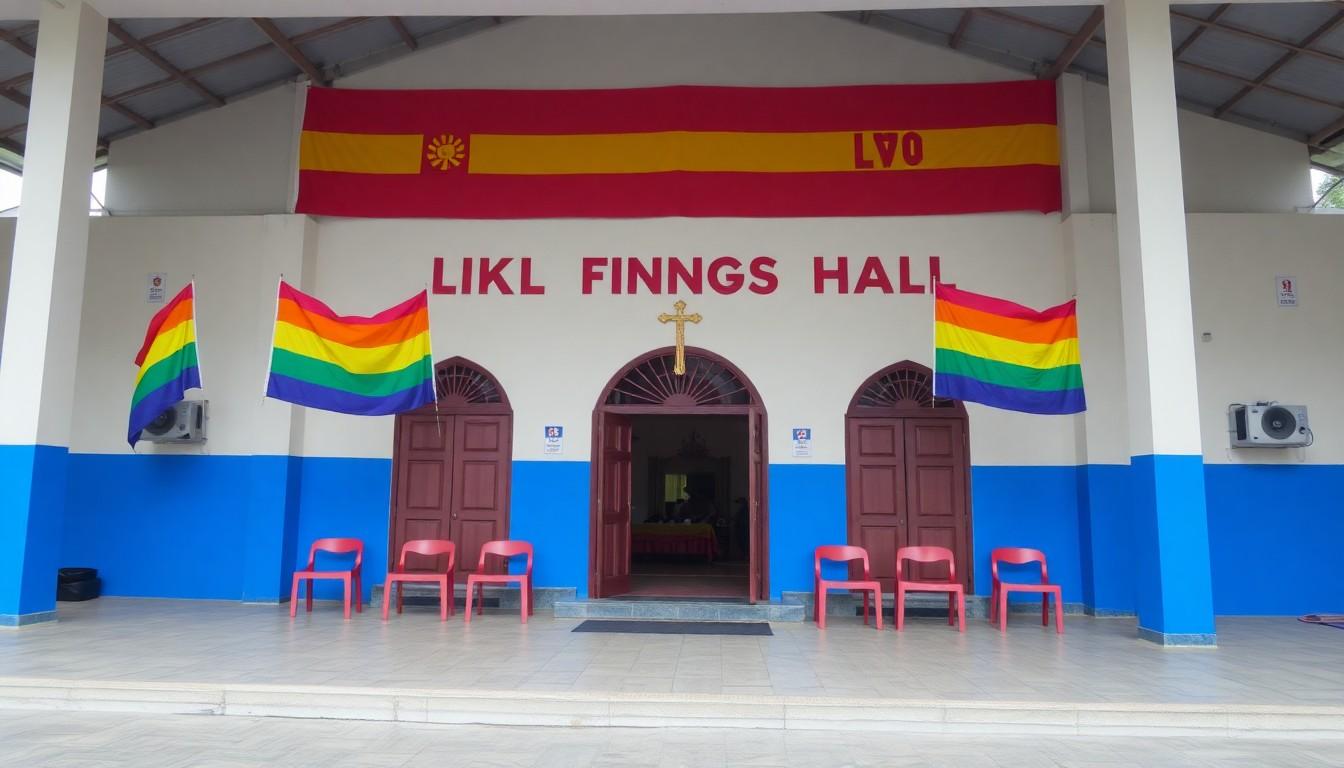
Shoppers are turning to culture-led Pride events, and this year Bahaghari , the National Commission for Culture and the Arts’ Pride programme , stole the show in Manila, mixing film, drag, music and conversation to celebrate visibility, arts and rights in a way that really matters.
Essential Takeaways
- Official backing: The NCCA hosted Bahaghari, giving Pride an arts-and-culture stamp that broadened its reach beyond nightlife or marches.
- Mixed programme: Short films, drag performances, jazz and modern Filipiniana fashion created a varied, sensory-rich afternoon.
- Community voices: Groups like Bekshie ng Maynila and Tomboy Philippines took part, sharing grassroots work and lived experience.
- Public engagement: Screenings were followed by talkbacks, offering audiences a chance to ask directors and artists about themes such as HIV and unrequited love.
- Civic resonance: The event sits alongside other public Pride signals , museum displays and colourful initiatives , that normalise inclusion in civic spaces.
Why a state arts agency hosting Pride matters
The strongest thing about Bahaghari was its stamp of official recognition; an arts body hosting a Pride programme changes the tone from fringe celebration to cultural event. It felt deliberate and calm, not noisy for noise’s sake, and that steadiness lends legitimacy. According to coverage of similar cultural Pride activity, museums and national institutions have been flying progress flags and programming Pride-friendly exhibitions, signalling institutional welcome. That matters because it widens who shows up , families, students, older patrons , people who might not go to a parade but will attend a hall event.
Practical tip: if you want allies in your local area, look for culture institutions staging programmes; they tend to attract a different, often more diverse, crowd.
Films and talkbacks: making complex issues approachable
The Bahaghari screenings paired two LGBT-themed shorts that tackled HIV, deception, loyalty, and a kind of love that never got to bloom. The films sparked a lively talkback with director Lemuel Lorca, which turned passive viewing into a conversation. Film can hold awkward or delicate topics in a compact, human way, and a talkback lets audiences process and ask questions in real time. For people curious about how cinema handles queer themes, this is a gentle, accessible entry point.
Practical tip: when picking Pride film programmes, choose sessions with post-screening Q&As , they’re where the learning and empathy deepen.
Drag, music and fashion , Pride as a multisensory feast
Bahaghari didn’t just show films; it served a musical and theatrical spread. Performances ranged from Frenchie Dy’s mellow and upbeat numbers to Lady Gagita’s impersonation production, jazz and ballet pieces, and modern Filipiniana from Closet Couture. The sensory mix , sound, sight, movement, costume , made the event feel celebratory and substantive at once. That variety is smart: different art forms attract different audiences, and together they sketch a fuller picture of queer creativity.
Practical tip: if you run a Pride event, mix formats. A drag set alone delights, but pairing it with dance or fashion keeps people engaged for longer.
Grassroots groups brought lived experience to the fore
Local organisations like Bekshie ng Maynila and Tomboy Philippines were onstage to share ongoing projects and challenges. Their presence shifted the event from spectacle to service: it was a chance to spotlight community needs, outreach work, and stories that statistics don’t show. When community groups are centred in arts programming, policy conversations and outreach naturally follow, which is how cultural visibility translates into real-world support.
Practical tip: for attendees, seek booths or sessions run by community groups , that’s where you’ll find resources, volunteer opportunities, and honest accounts.
Pride in public spaces is becoming commonplace , and strategic
Bahaghari sits alongside a broader civic shift: museums marking Pride with progress flags, colourful Fridays initiatives, and even protest actions organised under the Pride banner. Those moves together create a public ecosystem where Pride isn’t only a parade or a private party. It’s a set of symbolic and practical steps that nudge society toward recognition and rights. Expect more public institutions to hold similar programming; once one cultural agency opens a door, others often follow.
Practical tip: keep an eye on museum and council calendars in June and beyond , you’ll find daytime-friendly Pride events that suit families and older allies.
It's a small cultural push that can make visibility feel safer and more ordinary.
Source Reference Map
Story idea inspired by: [1]
Sources by paragraph: