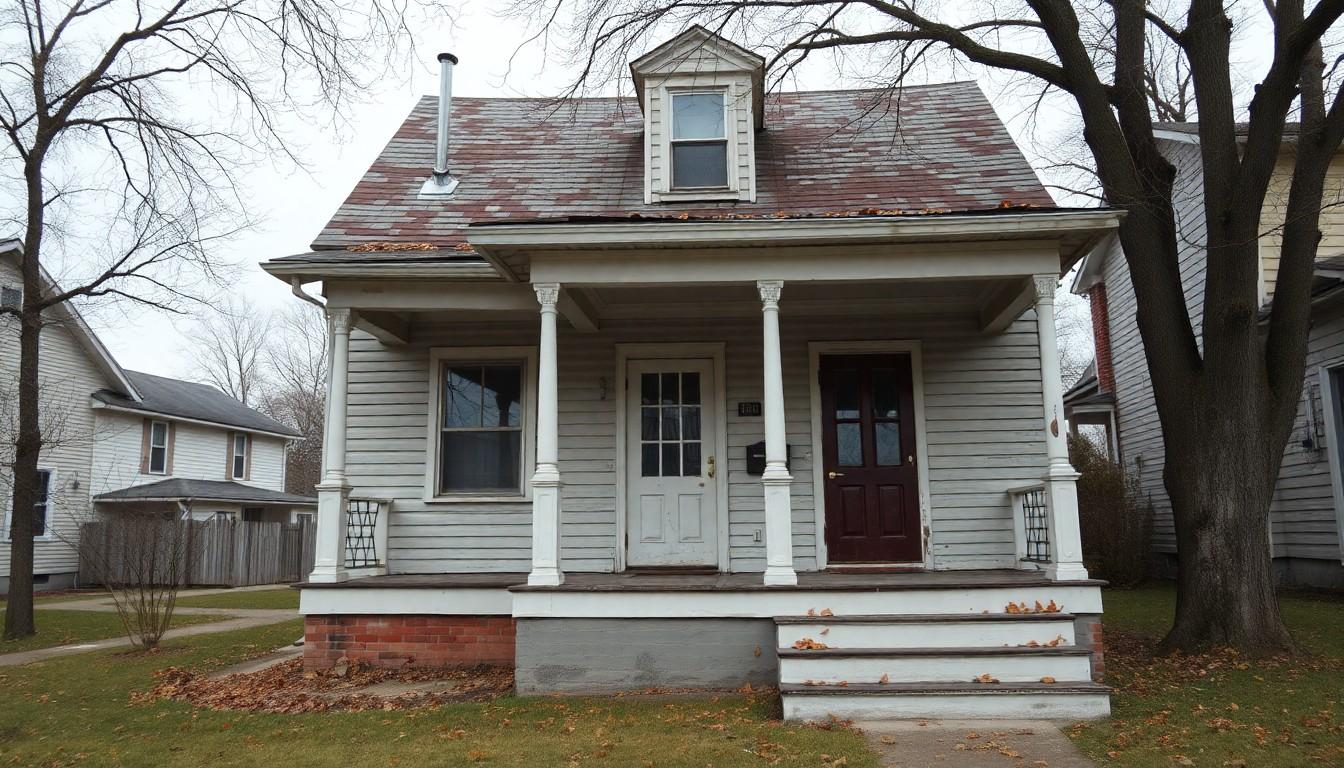
Shoppers, policymakers and campaigners are waking up to a hidden risk: LGBTQ households in the US are more likely to face energy poverty, live in poorly insulated homes and endure unhealthy indoor temperatures , a problem that matters as heatwaves rise and heating bills bite.
Essential Takeaways
- Higher risk: Around one quarter of LGBTQ households report energy poverty, compared with about one fifth of other households.
- Trans and non‑binary households worst hit: People whose gender differs from their assigned sex face the highest rates, with some indicators approaching 44%.
- Beyond income: Disparities persist even after accounting for income, age, education and disability , suggesting social barriers and weaker family support.
- Health stakes rise with climate change: More frequent, intense heatwaves make poor cooling and insulation a direct health risk, from worsened heart and lung conditions to mental strain.
- Data gaps threaten solutions: Federal changes to data collection risk erasing sexual orientation and gender identity from future surveys, hampering targeted help.
Why energy poverty matters for LGBTQ people right now
The clearest fact is also the most unsettling: LGBTQ households in the US are disproportionately unable to pay energy bills or keep comfortable temperatures at home, and that matters more as summers get hotter. The finding comes from a new analysis of nearly two million responses to the Household Pulse Survey, and it paints a quietly dire picture , a chill or a swelter at home isn’t just uncomfortable, it’s a public‑health issue. For many people the smell of stale air and the heaviness of heat are physical alarms; for marginalised communities they often signal another layer of exclusion.
The researchers dug into payments, temperature insecurity and trade‑offs such as skipping food or medicine to pay for heat or electricity. The results show that the problem isn’t simply poverty writ small; it’s shaped by social isolation, discrimination and weaker safety nets. That helps explain why households with non‑conforming gender identities report particularly severe struggles.
How climate change turns a bill problem into a health emergency
Heat and cold already take a toll in the US: recorded heat deaths have climbed, and cold still claims lives every winter. But climate science is clear that heatwaves are becoming more frequent and longer in many regions, especially the South and Southwest, so the stakes are rising. When people can’t afford air conditioning, or live in poorly insulated flats that trap heat, that’s not only uncomfortable , it raises risks for heart, lung and kidney conditions and worsens mental health.
Policymakers and health services have to treat energy insecurity as a climate‑sensitive health problem, not just an economic one. That means cooling shelters, emergency outreach during heatwaves, and insulation programmes targeted where they’ll do the most good.
Why income alone doesn’t explain the gap
You might expect income to be the whole story, but the analysis shows it’s not. Even among households with similar earnings, LGBTQ people fare worse on measures of energy insecurity. The researchers point to weaker family support , many LGBTQ people have strained relations with relatives or are estranged , and the fear of discrimination that keeps people from using assistance programmes.
Practically speaking, that means policies based only on income thresholds will miss people who are socially isolated or reluctant to seek help. Outreach must be culturally competent and trust‑building, and service providers should signal clearly that help is safe and non‑judgemental.
Simple fixes that make a big difference
There are pragmatic, low‑cost interventions that reduce energy hardship quickly. Weatherisation and insulation, more efficient cooling and heating appliances, and small grants to clear energy debts work. Local authorities and NGOs can run targeted voucher schemes for air‑conditioning units or cooling fans before summer peaks, and offer flexible emergency funds that don’t require invasive documentation.
Community centres and LGBTQ charities are also vital contact points. If funding and training go to frontline groups people already trust, uptake rises. And councils should prioritise data collection that includes sexual orientation and gender identity so help is evidence‑led rather than guesswork.
What could derail progress , and what to do about it
One real danger is disappearing data. Policy planning depends on knowing who is affected, yet some federal moves have already narrowed official gender categories, threatening future research and targeted support. Without those datapoints, problems can become invisible again.
The answer is to protect and expand inclusive data collection, while building services that don’t require intrusive proof of identity. Funders should insist on SOGI (sexual orientation and gender identity) data where consented, and support qualitative outreach so people who fear stigma still get help.
It's a small change that can make every home safer and every summer less dangerous.
Source Reference Map
Story idea inspired by: [1]
Sources by paragraph: