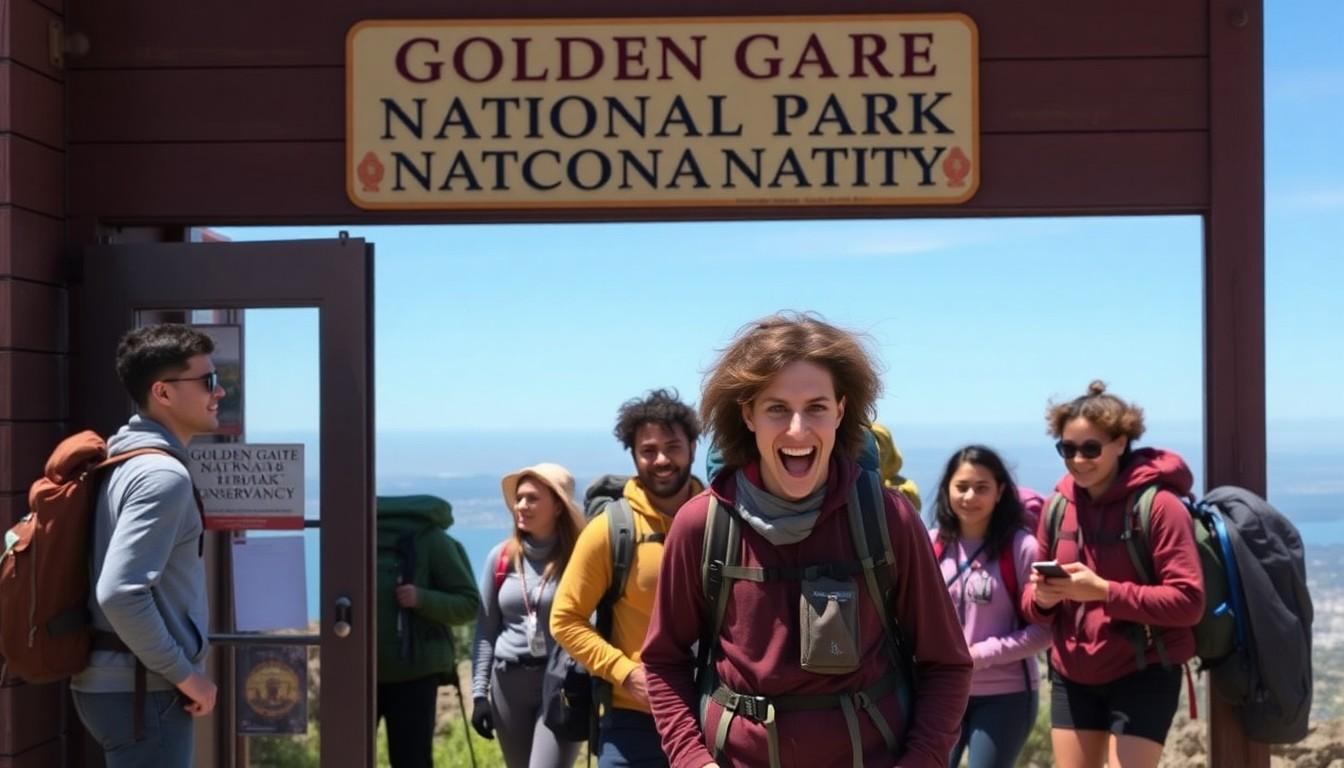
Celebrate belonging outdoors: educators and parks are creating paid youth programs, queer and trans community days, and inclusive stewardship events so LGBTQIA+ people can discover confidence, skills, and a sense of home in nature , and communities win when everyone feels welcome.
Essential Takeaways
- Paid leadership opportunities: Programmes like summer backpacking adventures offer stipends and hands-on outdoor skill-building for queer and trans youth, making participation realistic and respectful.
- Accessible community days: Monthly queer-and-trans nature events combine stewardship, art, and wellness, with a calm, restorative feel and opportunities to learn from Indigenous and Two-Spirit voices.
- Holistic outcomes: Participants report increased confidence, mentorship, and career interest in conservation, alongside emotional benefits like healing and reduced isolation.
- Inclusion best practice: Fieldwork guidance and organisational policies help make ecology and outdoor education safer and more welcoming for LGBTQIA+ people.
- Get involved easily: Attend events, volunteer, nominate young people for programmes, or support organisations to expand access.
Why paid queer-centred outdoor programmes matter now
Paid leadership programmes level the playing field, and they feel like a practical, powerful step towards equity. When young people are offered stipends alongside real training in camping, kayaking, or climbing, it removes financial barriers and signals that their participation is valued. According to environmental education practitioners, these experiences often become life-changing , not just a first night under the stars, but the start of a career or a supportive community.
This approach also answers a current moment: public debates and policy shifts are putting queer stories under pressure. Offering intentionally queer-centred outdoor experiences is both protective and affirmative, and it helps young people see conservation as a place that can hold their whole identity.
What community days actually look and feel like
Community days blend practical stewardship with gentle rituals: restoring habitat, learning native plants, short meditations, shared meals, and art led by local Indigenous and Two-Spirit artists. The tone is restorative rather than performative; people come away with a sense of calm, a few practical skills, and the comforting knowledge that they were seen.
Organisers say consistency matters. Monthly gatherings create predictable opportunities to show up, which builds trust. For many, the sensory details stick , the quiet of an early morning trail, the smell of wet earth after restoration work, a simple shared sandwich around a folding table , small things that add up into real belonging.
Inclusion in fieldwork and why it’s not optional
Making fieldwork safe requires clear guidance and policy: inclusive language in forms, options for non-binary or trans names and pronouns, privacy safeguards, and training for staff on respectful interactions. The British Ecological Society and similar groups recommend explicit steps so that field trips and ecology work don’t exclude or endanger LGBTQIA+ participants.
Practically, organisers should audit risk assessments with inclusion in mind, offer single-room or private sleeping options where needed, and brief all participants about expectations for respectful behaviour. These simple measures reduce anxiety and let people focus on learning and the outdoors.
How outdoor education supports youth development beyond skills
Environmental education is about more than species lists and trail maps. It fosters positive youth development: leadership, resilience, and identity exploration. Youth who participate in queer-centred outdoor programmes often report mentorship, clearer career interests, and an improved sense of self-worth. For many, being in nature with peers who share or respect their identities is profoundly healing.
This isn’t just anecdote. Educators and programme evaluations point to measurable benefits: greater confidence, continued engagement with conservation, and stronger social bonds. For any educator or park manager, that’s a compelling reason to invest in inclusion.
How to get involved or start something local
You don’t need a big budget to begin. Partner with existing conservation groups, invite local queer artists or elders, and pilot a single-day event to test logistics. If you’re advising young people, encourage applications to paid programmes and offer help with transport or gear. Volunteers can amplify reach, and donor support can turn a one-off into a recurring, accessible programme.
If you’re an organiser, start with consultation: ask queer and trans community members what they actually want from outdoor spaces. And if you’re a visitor, show up with curiosity and humility , sometimes the best support is simply listening.
It's a small shift that makes every trail, campsite, and classroom feel a little more like home.
Source Reference Map
Story idea inspired by: [1]
Sources by paragraph: