Shoppers of culture and partygoers alike are returning to Toronto’s underground this June, as Underground Pride stages its third year of affordable, intentional celebrations that spotlight local queer artists, honour pioneers like Michelle Ross, and reconnect Pride with its grassroots purpose.
Essential Takeaways
- Affordable and accessible: Tickets set at $15 with low-cost drinks, designed to keep Pride open to more people.
- Tribute-led opening: The night includes a special homage to Jamaican-born drag pioneer Michelle Ross, highlighting her influence on Church-Wellesley and beyond.
- Intergenerational line-up: DJs, dancers and veteran performers mix with emerging artists for a multi-generational celebration.
- Roots and reflection: Organisers frame the event as both party and remembrance, noting Pride’s origins as protest and underground resistance.
- Global context: The event recognises that many 2SLGBTQIA+ people worldwide still have to celebrate in secret, so accessibility and solidarity matter.
Why Underground Pride feels different this year
Underground Pride leans into a quieter, more thoughtful kind of joy , one that still smells faintly of late‑night clubs and community rooms but asks you to listen as much as dance. Founder Artin Avaznia has been clear from the start: this isn’t about corporate banners or parade floats, it’s about affordable spaces where queer creativity thrives. According to coverage in local press, the event keeps tickets intentionally low so people can show up without breaking the bank. That budget-friendly approach feels like a relief in a Pride calendar that’s getting pricier by the year.
Honouring Michelle Ross: why a tribute matters
This edition opens with a tribute to Michelle Ross, the Jamaican‑born drag icon whose performances spanned continents and helped anchor Toronto’s Church‑Wellesley scene. Ross’s story , performing abroad, returning to Jamaica despite risk, and keeping parts of her life private from family , is both cinematic and sobering. Bringing her history back into view is a deliberate act of cultural preservation; organisers worry younger audiences may not know the names that shaped today’s queer scenes, so the tribute reconnects present joy with past struggle.
Mix of generations keeps the night grounded
The line‑up intentionally pairs emerging talent with veterans, so you might watch a Saint Lucian newcomer followed by a performer who shared stages with Ross decades ago. Avaznia says that cross‑generational programming ensures stories get passed on, and it’s a strategy that keeps the evening lively and layered. Musically, DJs Mix Signals, Desiire and Incognita will hold the floor, while dancers and waackers add kinetic energy , a reminder that queer culture has always moved between dancefloors and political frontlines.
Making space for reflection as well as celebration
Organisers frame Underground Pride as celebration with intention: joy that remembers its roots. Avaznia, who has spoken about his own experience of cultural estrangement, emphasises solidarity with those who still live underground due to criminalisation or family rejection. That framing matters in a city where Pride has become big business; events like this underline that remembering resistance , from police raids to the AIDS epidemic , is not nostalgic, it’s necessary.
Practical details and what to expect on the night
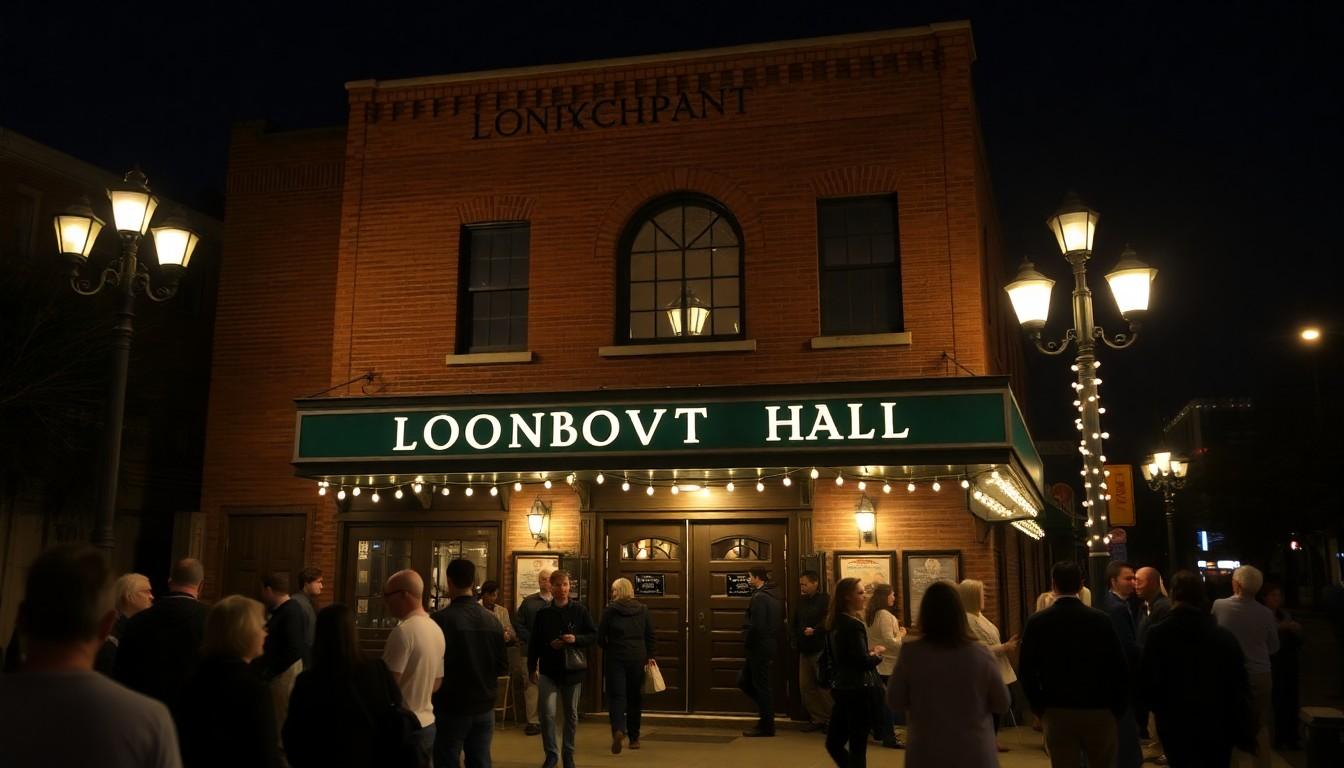
The Toronto edition takes place at Longboat Hall on a Saturday night, starting late and running into the small hours. Expect a modest venue, intimate sightlines, and cheap drink options , the kind of room where you can actually talk to people between sets. If you’re going, book early (previous editions in other cities have sold out) and consider arriving later if you prefer to avoid opening crowds. Bring cash or a card for merch; small events rely on on‑the‑night support as much as ticket sales.
It's a small change that can make every Pride moment feel more rooted and meaningful.
Source Reference Map
Story idea inspired by: [1]
Sources by paragraph: