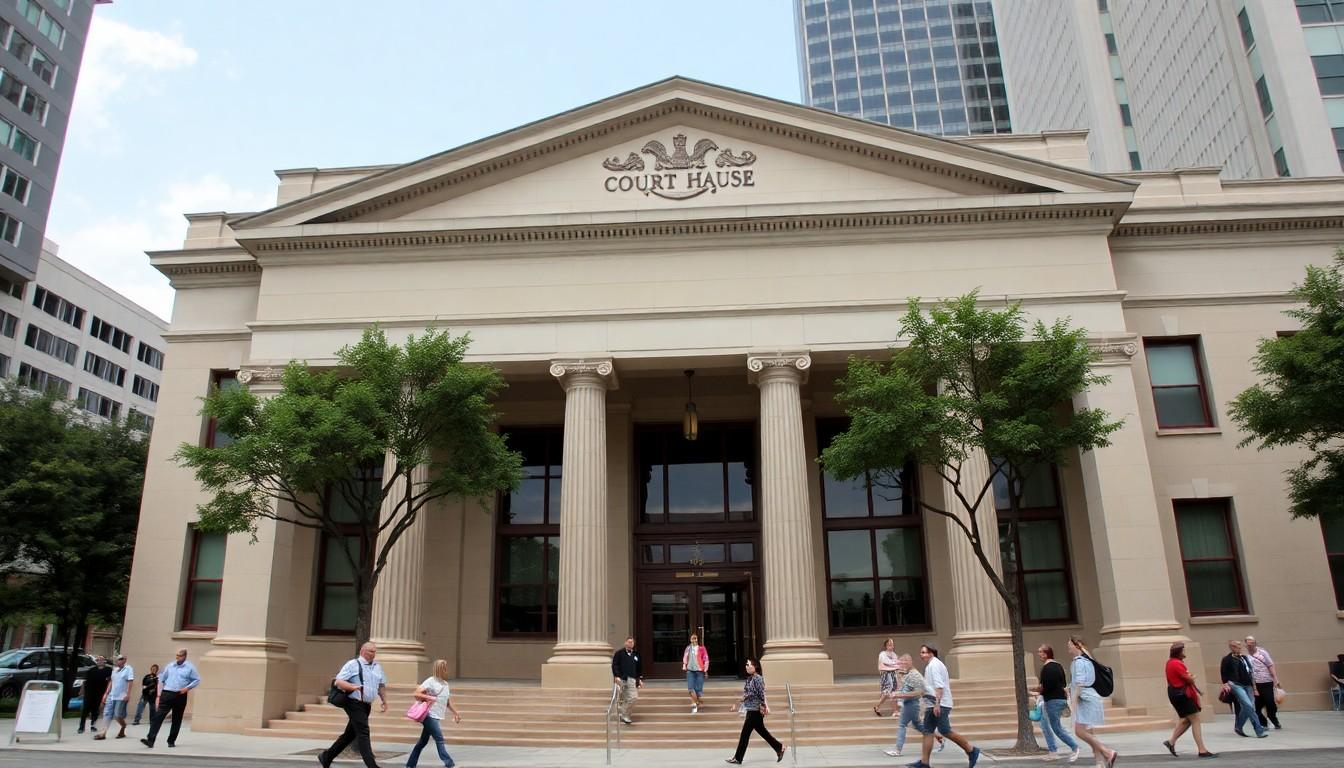
Shoppers for legal clarity have noticed a big win in Texas , a Waco judge has been awarded $640,000 after she was disciplined for declining to officiate same‑sex weddings, a decision that matters to judges, faith groups and couples alike. Here’s what happened, why it counts, and how it could shape courtroom conduct going forward.
Essential Takeaways
- Large award: A Travis County court entered a final judgment awarding Judge Dianne Hensley $10,000 in damages plus roughly $630,000 in attorney fees, after the Texas Commission on Judicial Conduct disciplined her.
- Religious-rights basis: The judgment found her rights under the Texas Religious Freedom Restoration Act were violated.
- Permanent protection: The order bars the commission from investigating or disciplining Hensley for refusing to officiate same‑sex ceremonies on religious grounds.
- Practical effect: The Texas Supreme Court earlier revived her claim, clarifying judges can publicly refrain from performing weddings for sincerely held religious beliefs.
- Public reaction: The case sits at the crossroads of conscience claims and wedding access, and it’ll be watched by faith groups, judicial bodies and LGBTQ+ advocates.
A decisive courtroom vindication , the case in brief
The clearest fact is the dollar figure: $640,000 in total relief for Judge Dianne Hensley, split between the statutory maximum $10,000 in compensatory damages and a substantial award of attorney fees. That number gives a human, sensory shorthand to the ruling , it’s not just principle, it’s a tangible win for the judge and her legal team. The dispute began when she recused herself from performing same‑sex marriage ceremonies and was publicly warned by the Texas Commission on Judicial Conduct. The commission said her refusal cast doubt on impartiality; she sued under the state’s Religious Freedom Restoration Act. The legal fight revived at the Texas Supreme Court before returning to district court for final judgment.
How the law framed the decision
This wasn’t a freewheeling social media spat; it hinged on statutory religious‑liberty protections. The Texas Religious Freedom Restoration Act played the key role, with the court concluding the discipline violated her right to freely exercise her faith. According to the judgment, the commission can no longer investigate or punish Hensley for declining to officiate same‑sex weddings based on sincere religious belief. That sort of permanent bar is notable because it changes the enforcement landscape: judicial conduct bodies in Texas now face a clearer boundary when dealing with similar conscience claims.
Why the Texas Supreme Court matters here
The path back to victory passed through the Texas Supreme Court, which in 2024 found Hensley had “clearly sufficient” grounds to sue , a procedural but pivotal ruling that kept her case alive. The high court also updated guidance to the state’s judicial code of conduct, clarifying judges aren’t violating canons merely by publicly refraining from performing a wedding due to sincere religious beliefs. Those pronouncements do more than help one judge; they offer a touchstone for other state judges wondering how to balance personal faith and official duties without triggering discipline.
Where this leaves couples and court practice
For same‑sex couples, the ruling is a mixed signal: it affirms a judge’s right to abstain for religious reasons, but it doesn’t allow judges to refuse to provide access entirely , parties can still seek another official. In practice, counties and court systems are likely to put clearer protocols in place so a couple is directed to an available officiant without delay. If you’re a county clerk or court administrator, the practical takeaway is to create a simple, respectful handover process: a list of rotating officials, clear signage, or an online booking system. That keeps ceremonies on schedule and avoids headline‑grabbing disputes.
The wider context , law, politics and the long view
This ruling sits against larger legal battles over marriage and conscience since Obergefell v. Hodges. Even though federal precedent and the Respect for Marriage Act shape nationwide recognition of same‑sex unions, state and local conflicts over participation and recognition persist. Conservative legal groups have cheered the outcome; civil‑rights advocates will likely continue to press for access and non‑discrimination protections in local practice. Whatever comes next, the case is a reminder that legal rulings operate at two levels: the doctrinal (what the law says) and the bureaucratic (how government bodies implement policy). Expect more guidance, training and perhaps policy fixes in counties to reconcile both.
It's a small change that can make every wedding day run smoother and with fewer moral collisions.
Source Reference Map
Story idea inspired by: [1]
Sources by paragraph: