Shoppers are turning to better health information: a UCSF neurologist and an LGBTQ advisory board have teamed up to boost stroke awareness, explain risk factors and symptoms, and make it easier for queer people to seek care when it matters most. Here's what to know, why it matters, and how to act fast.
- Quick action saves brain cells: Stroke treatments work only in a narrow time window, so calling 999/911 immediately is crucial; brain tissue dies within minutes.
- Know the signs (BEFAST): Balance, Eyes (vision), Face droop, Arm weakness, Speech trouble , and Time to call for help.
- Treatable and preventable: Many strokes are ischemic (clots) and can be treated; managing blood pressure, cholesterol, diabetes, sleep, and avoiding smoking lowers risk.
- LGBTQ-specific access issues: Discrimination and care gaps can delay seeking help; community-focused outreach helps bridge trust and knowledge.
- Simple practical tips: Say “I think I’m having a stroke” at triage, learn local emergency numbers, and carry a brief medical summary if you use gender-affirming hormones or have other vascular issues.
Why this UCSF survey matters , and what it found
A short, community-crafted online survey led by Dr Nicole Rosendale gauged stroke knowledge across the LGBTQ umbrella and found encouraging baseline awareness, with an average score of 8.5 out of 10 and many respondents able to identify what a stroke is. The warm detail here is that the survey was co-designed with the BRAVE Community Advisory Board, so questions and outreach felt relevant and not clinical. Rosendale told the Bay Area Reporter that one striking gap was people not realising stroke is treatable , and very time-sensitive , which is exactly the point of the campaign.
BEFAST , the quick checklist everyone should know
The American Heart Association’s BEFAST mnemonic is the practical backbone of the outreach: sudden loss of balance, sudden vision changes, facial droop, arm weakness and slurred or lost speech, with Time reminding us to call emergency services at once. The reason for urgency is stark: brain cells begin dying minutes after blood flow stops. Public campaigns and community talks aim to familiarise people with these sensory clues so a bystander or the person affected recognises the emergency fast.
Risk factors and prevention , what’s relevant to the LGBTQ community
High blood pressure, diabetes, smoking (including vaping and cannabis), atrial fibrillation, high cholesterol and HIV are among common stroke risks. Experts stress that sexual orientation or gender identity aren’t biological risk factors; rather the risks often stem from social determinants like access to primary care, higher smoking rates, or delayed preventive care. For people on gender-affirming hormone therapy, it’s sensible to discuss cardiovascular implications with your clinician so treatment and monitoring can be aligned.
Barriers to care , why outreach needs to be community-led
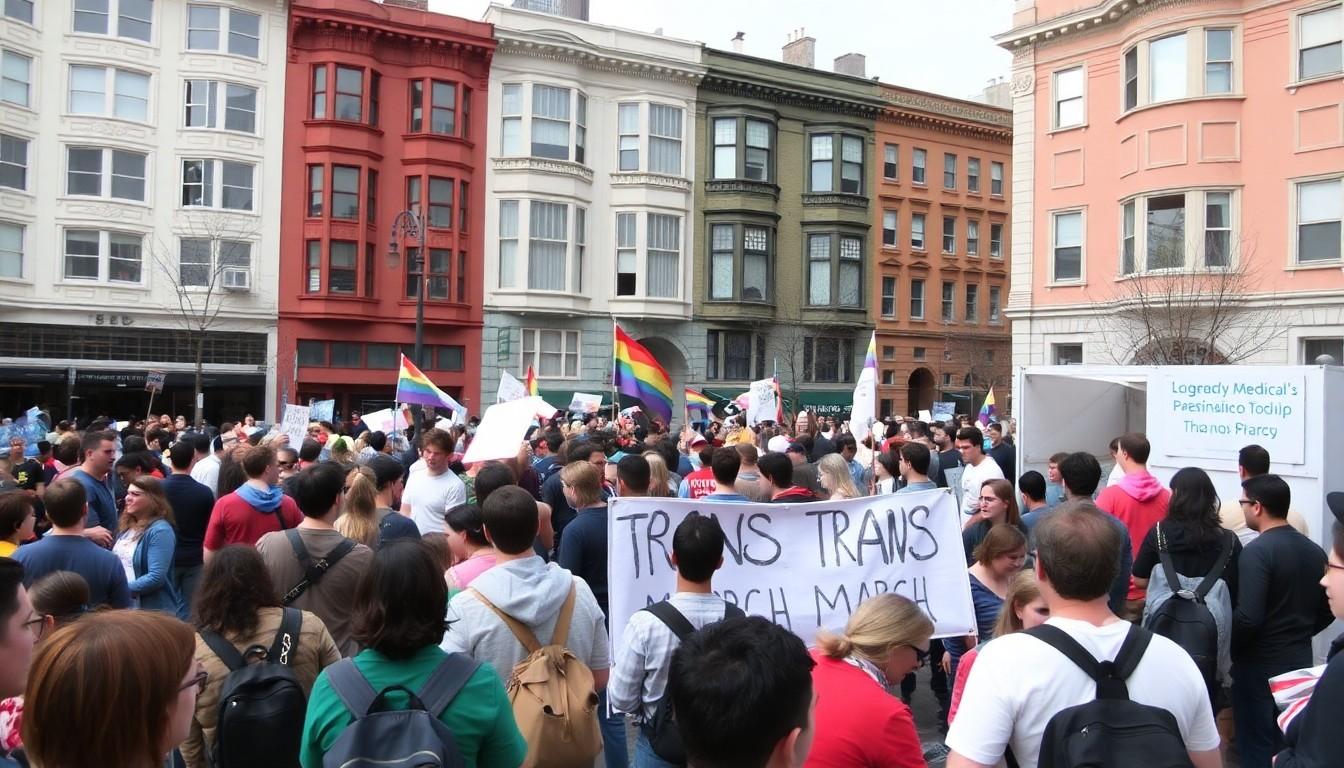
Many LGBTQ people carry understandable fear about accessing healthcare because of past discrimination or stigma. That’s why BRAVE’s advisory board , made up largely of older LGBTQ adults with lived experience , is such a smart move. Community-led education, peer tabling at events like Trans March, and short, shareable videos aim to reduce that friction. Practical suggestion: when you arrive at A&E, be clear and firm , say “I think I’m having a stroke” so staff prioritise your evaluation.
Practical steps you can take today
Start with the basics: learn your local emergency number, memorise BEFAST, and make an appointment to check blood pressure and cholesterol if you haven’t recently. If you use hormones or have chronic conditions, carry a concise medical summary and tell clinicians about any therapies you’re taking. For carers and community members, practice noticing subtle changes in speech or coordination; a gentle question and a fast trip to hospital can make all the difference.
What’s next , education, listening, and advocacy
The advisory board plans community talks, listening sessions, and online resources to shape future research and services around LGBTQ priorities. That local, lived-experience approach is exactly what health campaigns need to move from awareness to action , especially for those who might otherwise delay care.
It’s a small change in knowledge that can make every crucial minute count.
Source Reference Map
Story idea inspired by: [1]
Sources by paragraph: