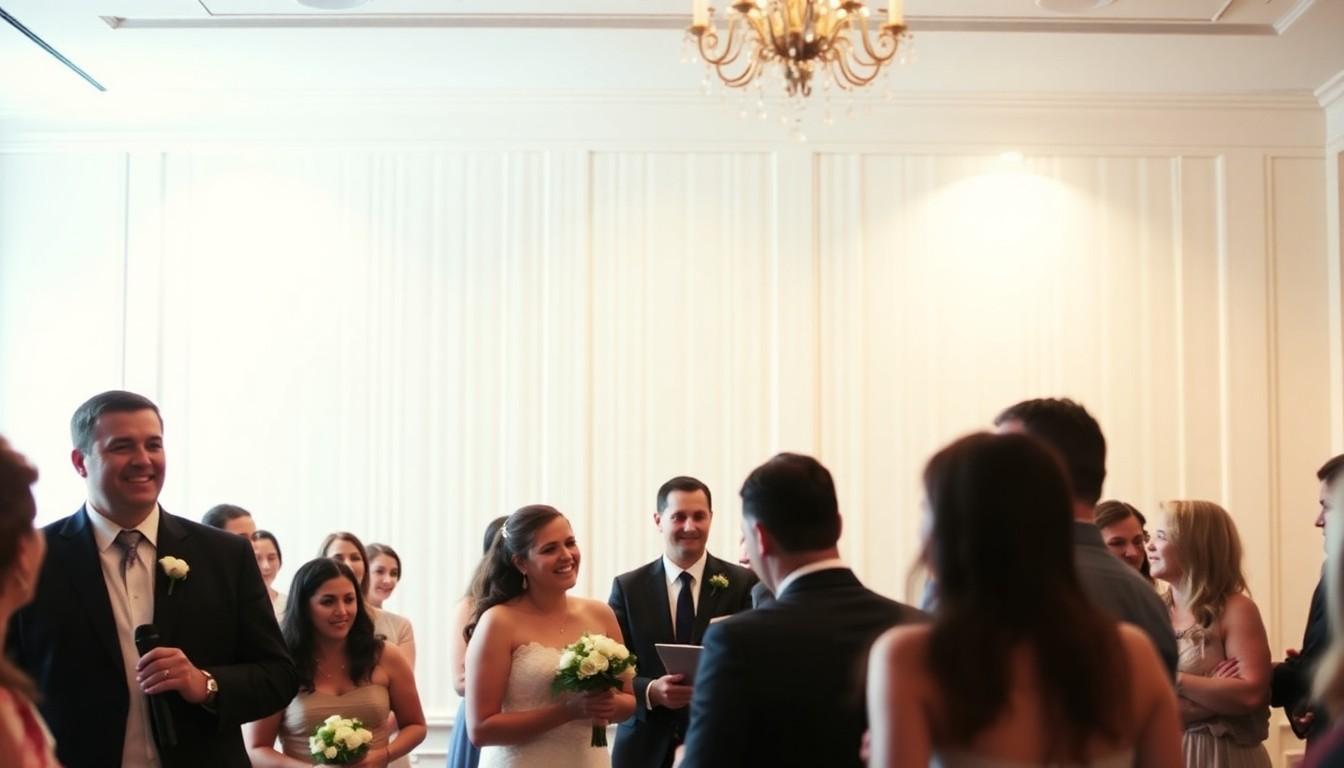
Shoppers are turning to shared ceremonies this Pride weekend as Pop-Up Chapel Co. gives 12 LGBTQ+ couples fully produced weddings at The Sutton Place Hotel, creating an inclusive, cost-savvy celebration that matters for love, visibility and community during Toronto Pride.
Essential Takeaways
- Inclusive setting: Pop-Up Chapel Co. is hosting 12 complimentary, fully produced ceremonies during Toronto Pride at The Sutton Place Hotel.
- Shared wedding model: Couples benefit from shared venues, décor and time slots to cut costs while keeping a boutique feel.
- Wide interest: More than 80 couples applied from across Canada and overseas, showing strong demand for queer-centred wedding options.
- Intimate format: Each couple receives a 15-minute private ceremony plus a 45-minute cocktail reception for guests , short, meaningful and celebratory.
Why a dozen Pride weddings feels like progress
The scene is vivid: a quiet hotel room turned into a tiny chapel, the air smelling faintly of flowers and hotel coffee, and a handful of friends gathered close. Pop-Up Chapel Co. has scaled up its Pride offering from four couples last year to a full weekend of ceremonies this June. According to organisers, partnerships with The Sutton Place and Abrielle made the expansion possible, combining venue reputation with a wedding-team approach that keeps costs down. For queer couples , especially those who’ve faced barriers or discrimination , the chance to marry in a deliberately welcoming space matters beyond logistics; it’s symbolic, practical and emotional. If you’re considering a similar shared ceremony, look for providers who outline exactly what’s included, and check guest limits so the moment still feels intimate.
How the shared wedding model actually works
Think of it like a pop‑up restaurant, but for weddings: the décor, photographer and schedule are reused across multiple couples who book time slots. Pop-Up Chapel’s model aims to make unique spaces affordable without stripping away style. Organisers say hourly ceremonies begin at 11am and run through the day, each couple getting a concise 15‑minute ceremony followed by a 45‑minute reception. That rhythm keeps things moving while giving couples a meaningful celebration. This setup suits couples who prioritise the ceremony and their immediate circle over a lengthy production, or those who want a special day without the typical price tag. If you’re booking a shared wedding, plan your timeline carefully , arrive early, brief your photographer on the compressed schedule, and pick readings or vows that land quickly but memorably.
Love stories that span continents, families and IVF
The couples selected represent a cross-section of queer experiences: refugees who fled violence, people who kept relationships private for years while waiting for family acceptance, and partners who navigated IVF and expensive fertility care to start a family. Organisers received applications from across Canada and as far away as Germany, proving this model appeals to couples with varied needs and stories. Selection weighed the personal narrative and why Pride weekend would be meaningful for each pair. Those human stories , like a couple who found each other at a concert in Jamaica or another who reunited families after a decade of secrecy , are what make each 15‑minute ceremony feel like a lifetime in miniature. For readers, these narratives underscore that wedding structures should flex to meet different life paths; a short ceremony can still hold a deep history.
Where the weddings are happening and who’s involved
The Sutton Place Hotel Toronto is hosting the ceremonies, with Abrielle contributing wedding services and styling to the weekend. Both brands bring hospitality polish, which helps the events feel luxe despite the shared format. Pop-Up Chapel Co. positions itself as a company that champions accessible weddings , its Pride pages explain the concept and show how a shared approach can open doors for couples who might otherwise struggle with costs or availability. Collaborations like this also mean couples get professional photography, setup and a cocktail reception without coordinating dozens of separate vendors. That’s a relief if you want a seamless day and you’d rather focus on the vows than logistics. If you’re planning to replicate this model locally, reach out to hotels and boutique planners early; weekend Pride dates book fast and partnerships are what make shared pricing viable.
What this means for Pride and wedding culture
These ceremonies are a reminder that Pride is both protest and personal celebration , public visibility alongside private vows. Organisers say creating a safe, celebratory space where people can be themselves is central to the weekend. As wedding culture evolves, expect more pop‑up and shared models aimed at inclusivity and affordability, particularly for communities that have faced legal or social barriers. The practical reality is simple: sharing resources can make weddings possible for more people without diluting the emotion. For couples thinking about their own celebrations, consider non‑traditional formats if cost, timing or family dynamics are concerns. You might be surprised how much meaning you can pack into a short, well-produced ceremony. And for everyone attending Pride this weekend, remember that alongside the parades and parties there are quieter, powerful moments: a vow exchange, a family meeting, a small crowd cheering someone into their next chapter.
It's a small change that can make every vow feel safer and every celebration more possible.
Source Reference Map
Story idea inspired by: [1]
Sources by paragraph: