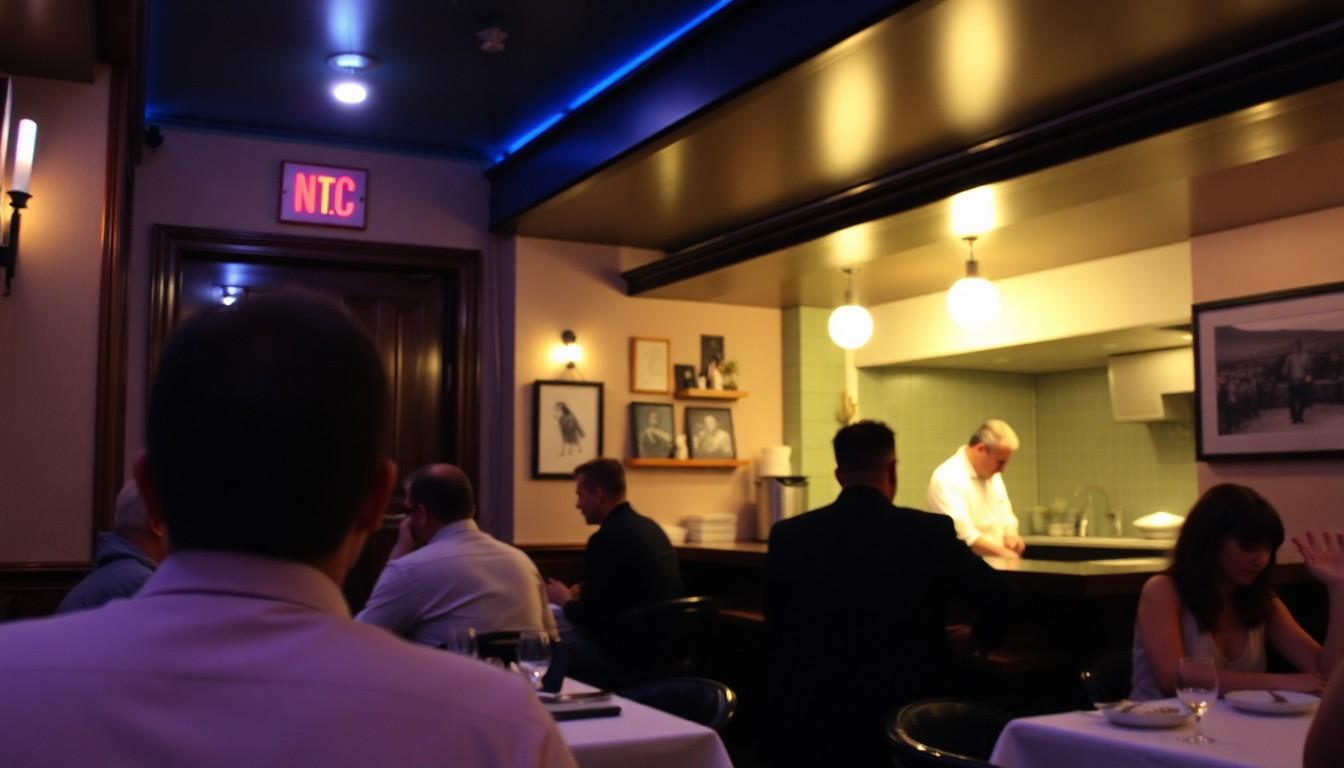
Listen in: Dubbs Weinblatt's "Thank You For Coming Out" hosts chef and writer Kayla Simone Fowler in a warm, funny conversation about food, identity and the dinner table as a stage for queer stories. It's a lively, personal hour that matters for anyone curious about supper clubs, queer culinary culture and the politics of what we eat.
Essential Takeaways
- Guest: Kayla Simone Fowler, NYC chef, supper-club founder and food writer, brings humour and vulnerability to the mic.
- What it covers: Personal coming-out stories tied to food, the rise of queer-led supper clubs, and the craft of writing about culture and cooking.
- Tone: Warm, candid and often funny , intimate moments balanced with thoughtful context.
- Practical: If you love pop-up dining or want to support queer chefs, look for Dine Well events and Fowler's writing on Substack and Serious Eats.
- Sensory note: Conversation is vivid , you can almost smell the kitchens and hear plates being set.
Why this episode feels like a dinner party in your ears
The opening minutes land like someone greeting you at the front door: immediate, welcoming and a little bit cheeky. Kayla Simone Fowler's voice carries the easy authority of a chef used to managing a room, and she peppers stories with sensory detail , the clink of cutlery, the warmth of a crowded table. According to Gay City News, Dubbs Weinblatt steers the chat so it feels like you're at a supper club table, not just listening to a podcast. That intimacy makes the coming-out anecdotes land with real emotional weight.
How Dine Well turns pop-ups into platform and politics
Fowler founded Dine Well as a supper club that purposely platforms queer guest chefs, and it's more than just a meal. Her events create space for chefs from varied backgrounds to tell stories through food, blending hospitality with advocacy. Kayla's own site explains the supper-club concept and how each menu centres identity, while Serious Eats shows how food-writing can interrogate culture as well as technique. For diners who want purpose with their courses, these pop-ups are a direct way to support queer culinary talent.
Food writing, craft and the gentle politics of a recipe
Listening to Fowler, you get why she writes about food, culture and politics as an intertwined practice. She contributes to Serious Eats and runs a Substack where meals become essays, and the episode shows how recipes can be both practical and political. Serious Eats has long treated food as a lens on society, and Fowler follows that tradition , breaking down how a dish connects to memory, migration or community. If you're a budding food writer, her approach is a useful model: marry sensory detail with context, and never forget the people behind the plate.
Tips for finding and supporting queer supper clubs near you
If the podcast leaves you wanting to taste the idea, start local. Follow organisers on social, sign up for mailing lists, and arrive ready to listen as much as to eat. Smaller pop-ups often sell out fast, so RSVP early and expect communal seating. When you go, bring curiosity: ask questions about the menu, the chef's background, or the story behind a dish. Those conversations are part of the value you pay for, and they keep spaces like Dine Well thriving.
What this episode means for broader queer storytelling
Beyond food, the chat highlights how personal narratives , even the awkward, funny bits , help knit community. According to Gay City News, Weinblatt and Fowler trade candid stories that normalise the messy bits of coming out, and that matters. The supper-club model doubles as cultural work: each dinner is an act of visibility and a chance to centre queer voices in a mainstream conversation about gastronomy. It's a small, delicious form of activism.
It's a simple, human reminder that meals make stories, and stories make community.
Source Reference Map
Story idea inspired by: [1]
Sources by paragraph: