Discover a vivid, nostalgic portrait of gay liberation in San Francisco through Brooks Kolb’s Landscape in Lavender; readers will find colourful city scenes, yearning for romance, and the shadow of looming loss that makes this memoir both joyful and poignant.
Essential Takeaways
- Setting: Kolb recreates early 1980s San Francisco with sensory detail, fog, hills, cable cars and the bright Golden Gate Bridge.
- Vibe: The book captures the exuberant nightclub culture, from Sunday tea dances to video-lit discos, with a playful eighties soundtrack.
- Emotion: It balances party-hearty liberation with the quieter longing for deep romantic connection.
- Foreshadowing: Hushed talk of a “gay cancer” gives the memoir its bittersweet edge, signalling the AIDS crisis on the horizon.
- Accessibility: Written as an earnest, coming-of-age travel and identity tale that will appeal beyond LGBTQ+ readers.
A City That Feels Cinematic: San Francisco as Character
Kolb’s San Francisco practically glows off the page, full of wind-blown fog, pastel hills and the cinematic sweep of the Golden Gate Bridge. You can almost feel the chill on your cheeks and the distant roar of the ocean, which makes the city more than a backdrop; it’s a living, sensual character. According to History.com, the 1970s and early 1980s were a time of dramatic cultural shifts that set the stage for the atmosphere Kolb evokes. This is memoiring that leans on place to tell the inner story.
Nightlife, Music and the Ritual of the Dance Floor
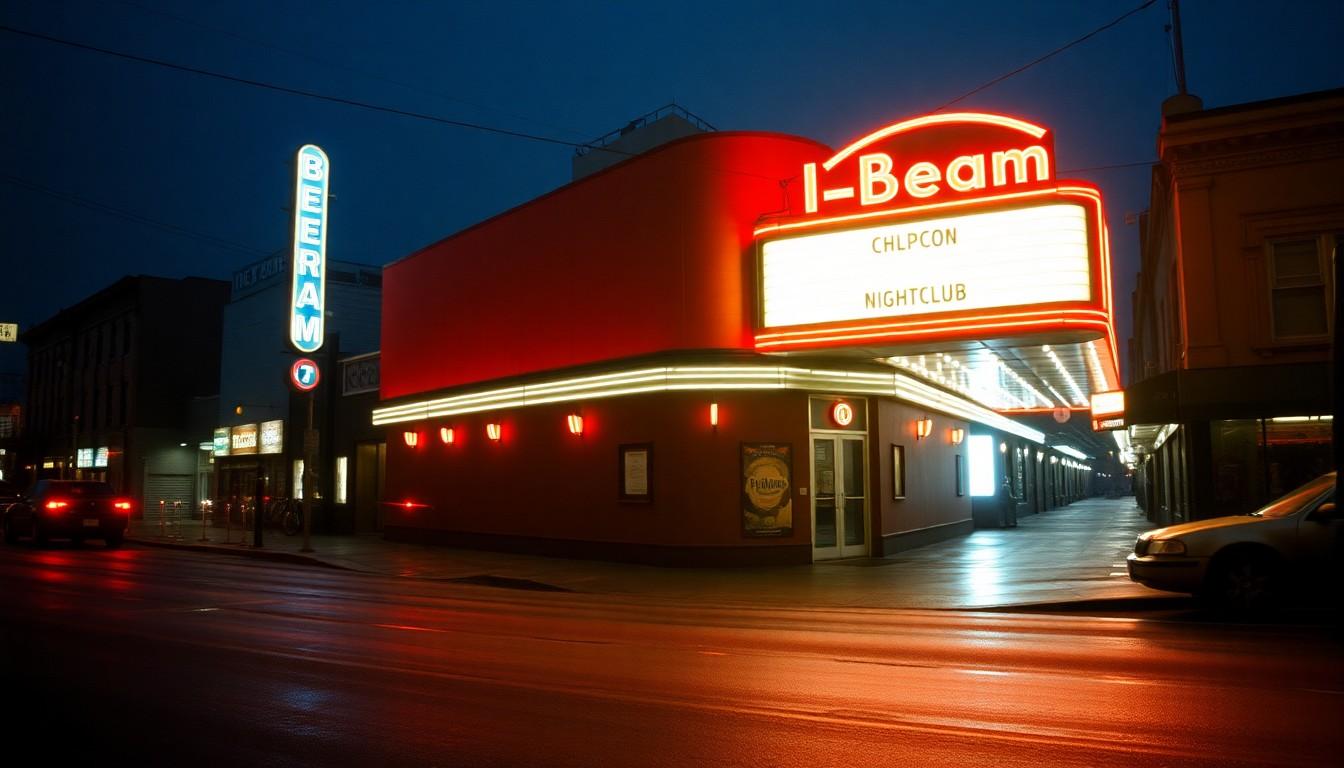
The author takes us inside the I-Beam, a Haight Street disco whose Sunday tea dances sound like a ritual of possibility. Kolb’s descriptions of DJs, Euro-pop and bar videos, Joan Crawford glaring from a screen, make the scene feel playful and vivid. He also explains his quirky dating method: asking men to dance as a gentler form of rejection and discovery. If you love music-led memoirs, this passage rings true to how nightlife shaped queer social life in that era.
Brotherhood, Belonging and the Search for Romance
One of the memoir’s quieter strengths is its account of belonging, the relief of seeing other men holding hands in neighbourhoods from Market Street to the Castro. Kolb writes honestly about craving romantic depth in a culture that often prized casual encounters, and that tension gives the book emotional ballast. His first friendship and later intimate moments, like the moonlit scene at Sutro Heights, show how romance and yearning persisted even amid hedonism.
The Shadow Approaches: Early Hints of a Crisis
Kolb doesn’t dwell on AIDS as a retrospective headline; instead he captures the atmosphere of whispered rumours and unease, “gay cancer” as a hushed phrase. That slow-building dread makes the memoir feel historically anchored and painfully human. It’s a reminder that the era’s joy was lived alongside uncertainty, a duality reflected in broader histories of the period.
Who Will Love This Book and Why It Matters Today
This memoir is for readers who want something intimate, sensory and reflective: lovers of travel-infused coming-out stories, anyone curious about pre-AIDS gay culture, and people who appreciate honest reckonings with desire and loss. Kolb’s voice is earnest without being precious, and his emotional candour makes the story accessible to LGBTQ+ and straight readers alike. It’s a personal history that connects to larger social changes and cultural memory.
It's a small book that opens a big window on a fragile, exuberant moment in queer history, worth a read if you want to feel the music, the fog and the tug of longing.
Source Reference Map
Story idea inspired by: [1]
Sources by paragraph: