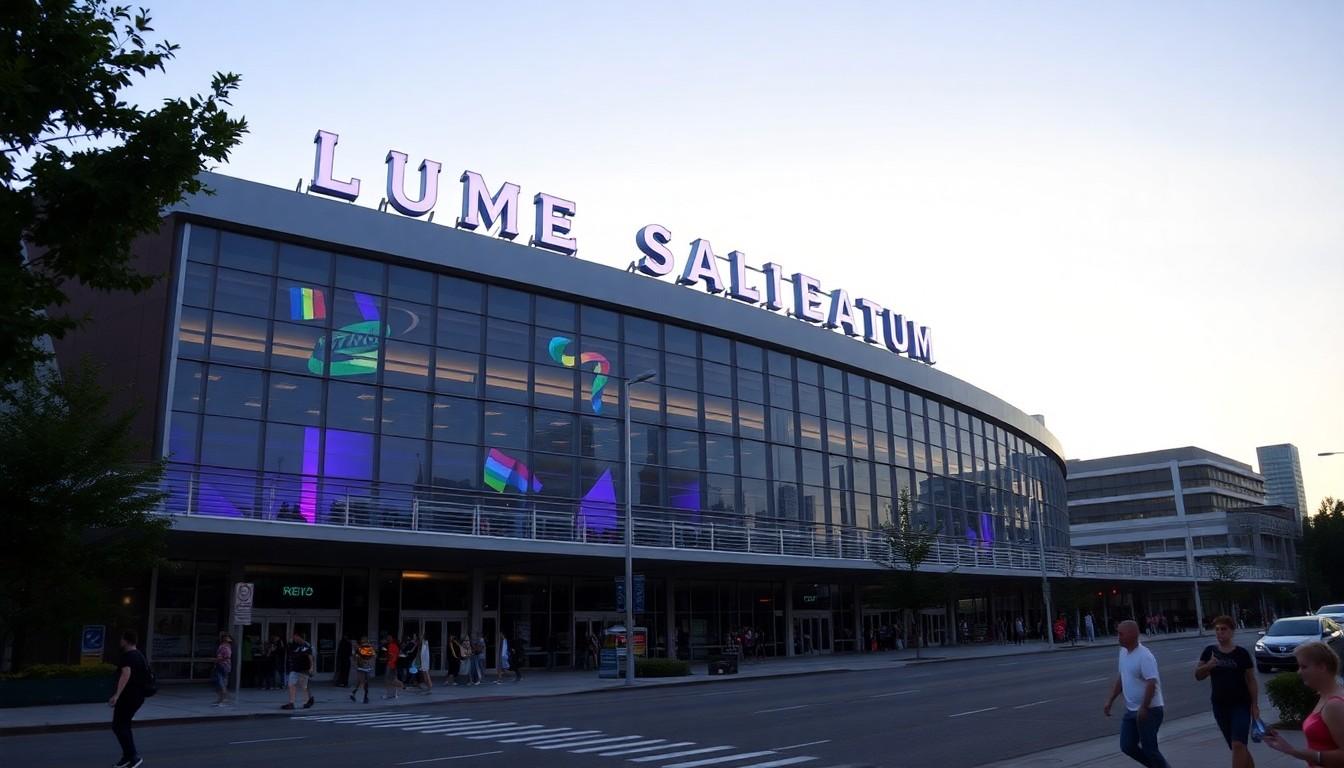
Watchers are noticing a rare clash of sport and spectacle in Seattle as organisers bill the Egypt–Iran game a “World Cup Pride Match”; fans, federations and FIFA are wrestling with who gets to shape the match-day experience, and why it matters for players and travelling supporters.
Essential Takeaways
- What’s happening: Seattle organisers promoted the Egypt vs Iran fixture as a “World Cup Pride Match,” with nearby Pride programming, art displays and cultural activation around Lumen Stadium.
- Teams’ response: The Egyptian and Iranian football federations publicly objected, saying the festivities conflict with their cultural and religious norms.
- FIFA role: FIFA has rules asking hosts and federations to remain neutral on political and religious matters and has urged local organisers to restrict messaging inside official match areas.
- On the ground: Pride events and fan activations outside stadium zones are planned to continue, offering visible celebration while navigating FIFA’s stadium limits.
- What to expect as a fan: Expect colourful public programming near the stadium, possible scaled-back in-stadium displays, and heightened discussion among fans about inclusion and respect.
What exactly is being planned , and where you’ll see it
Think of it as a festival orbiting a match day rather than a single banner inside the stands. Seattle’s Pride+ Match Impact Council and local partners are coordinating events, a design contest and vendor activations near Lumen Stadium to celebrate LGBTQ+ communities. That means bright artwork, stalls, performances and other street-level programming aimed at visitors walking to and from the game, with a tactile, festive feel.
Organisers say this is a chance to spotlight local creative businesses and community groups. For fans, that translates into extra atmosphere on approach , more colours, more noise, more opportunity to join a celebration if they want to. If you prefer a quieter entrance, plan to arrive early or use alternative routes to avoid parade routes and larger gatherings.
Why Egypt and Iran pushed back , and what they asked FIFA to do
Both national federations publicly objected, framing the festivities as incompatible with their countries’ cultural and religious values. Their statements asked FIFA to intervene and protect the teams and travelling supporters from being compelled into an environment they do not endorse.
That objection isn’t just diplomatic theatre. According to press reports, federations are sensitive to how symbolism and messaging are perceived back home, and they sought assurances that players wouldn’t be put in situations contradicting their beliefs. Expect their stance to shape diplomatic and sporting conversations, especially when matches involve countries with differing social norms.
How FIFA fits into this , limits and levers
FIFA’s statutes call for neutrality on political and religious matters, a rule designed to keep the spotlight on football. FIFA can and does regulate what happens inside stadiums and in officially designated fan zones, so match-day signage and sanctioned performances are under its remit. Reuters and other outlets reported FIFA asked organisers to comply with that standard.
But outside those controlled areas, FIFA’s reach thins. That’s why some Pride programming remains slated to take place nearby rather than within the stadium bowl. For fans, the result is a pragmatic compromise: less overt in-stadium messaging, more visible activity around the venue , and ongoing debate about where lines should be drawn.
What this means for fans travelling to Seattle
If you’re headed to the game, know what you want to encounter. Want the Pride atmosphere? Follow the arts displays and markets around the stadium; they’ll be loud and colourful, with a community feel. Prefer to focus strictly on the match? Use official stadium entry points and be aware that in-stadium messaging may be toned down after FIFA’s guidance, though streets and plazas nearby will still host celebrations.
Practical tips: check official travel advisories from your federation, arrive early to avoid crowds, and respect local regulations about what flags or banners are allowed inside the stadium. Fans who feel uncomfortable with nearby events should plan quiet viewing spots or licensed fan hubs away from the main promenades.
Bigger picture , culture, sport and how global tournaments handle difference
This incident highlights a recurring theme in major tournaments: hosts often stage civic and cultural programming alongside sport, and those choices can bump up against visitors’ values. Industry coverage has framed the Seattle match as part of a broader conversation about how global sport negotiates cultural differences while trying to be inclusive.
Some see the activations as community expression and an economic boost for local businesses. Others describe it as cultural imposition. Either way, visitors and organisers are learning a lesson: big events invite big questions about who the event is for, and how to balance welcome with respect for diversity of belief.
It’s a small change that can make every match-day experience feel either more inclusive or more contested, depending on your perspective.
Source Reference Map
Story idea inspired by: [1]
Sources by paragraph: