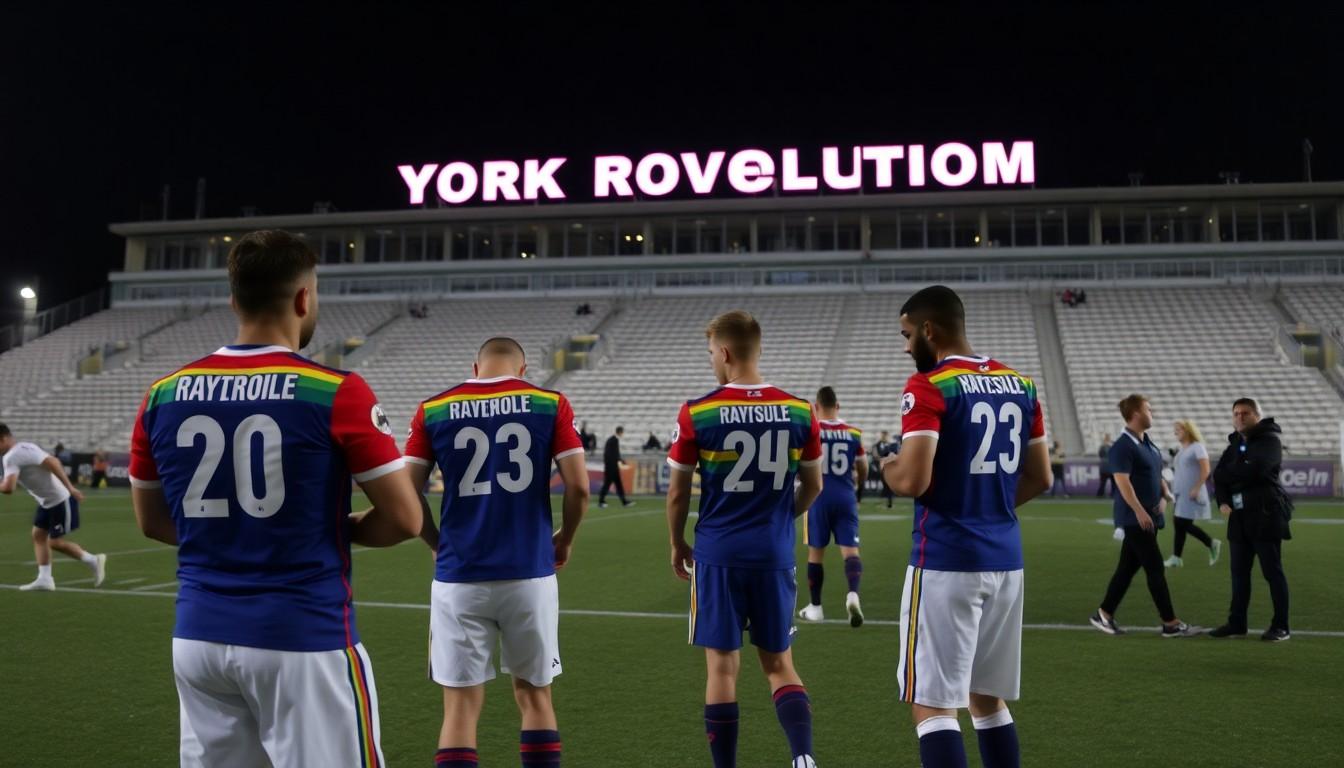
Shoppers of stories and supporters of inclusion noticed a rare sports spectacle in York, Pennsylvania , a minor-league team forfeited its Pride Night game after most players refused to wear rainbow jerseys. Fans, sponsors and community groups still showed up, and the decision has stirred wider debate about Pride uniforms in baseball.
Essential takeaways
- Forfeit outcome: The York Revolution forfeited their June 18 game because fewer than nine players agreed to wear the Pride-themed jerseys.
- Team response: Management said forcing players would compromise the spirit of Pride Night and prioritised the event’s community elements instead.
- Community action: The club donated $10,000 to the local Rainbow Rose Center and kept Pride activities at WellSpan Park.
- Broader context: The incident joins other recent disputes over Pride-themed gear in professional baseball, spotlighting cultural and workplace tensions.
A forfeit that felt like a statement
The clearest image from York is quiet dugouts and an empty diamond where a ballgame should have been, while a crowd still gathered for music and community stalls , a contrast that felt oddly symbolic. According to reporting, team president Ben Shipley tried to persuade players to wear rainbow-sleeved jerseys but fewer than nine were willing, leaving the club no choice but to forfeit. The scene underscored how a simple piece of clothing can become a flashpoint for values and identity.
Why the team chose community over competition
Shipley told reporters he wanted tolerance, not full acceptance, from the roster; when that threshold wasn’t met the club concluded that forcing participation would hollow out Pride Night’s spirit. The Revolution later said they weighed the decision carefully and opted to continue the evening’s non-game programming , batting practice, local vendors and outreach , while cancelling play. They also criticised the players’ refusal as inconsistent with the club’s stated aim to be “the Most Welcoming Place in York.”
What this means for players and workplace norms
This isn’t just about jerseys; it’s about how employers request visible support for a cause and how staff respond. In York’s case, player resistance rose from seven refusals last year to a majority this year, signalling either a change in roster attitudes or greater willingness to object publicly. Other clubs have navigated similar territory: earlier this month a few San Francisco Giants players altered Pride caps with religious references, and teams across leagues are figuring out whether celebratory kit should be optional, required, or negotiated.
How fans, sponsors and communities were affected
Even without a game, the stadium hosted Pride activities , a nod to the many stakeholders who’d bought tickets, booked sponsorship slots or expected family-friendly programming. The Revolution offered ticket exchanges for anyone who preferred to skip the festivities, and the $10,000 donation to the Rainbow Rose Center signalled an attempt to repair trust with local LGBTQ groups. For attendees it must have felt like a mixed night: music and stalls on one hand, an unplayed game and awkward headlines on the other.
Practical takeaways for teams planning Pride events
If you’re organising a Pride Night , whether for sport, charity or work , consider a few simple steps. First, set clear expectations in advance about whether themed uniforms are voluntary or mandatory, and document that in team policies. Second, engage players and staff in conversation early so organisers can anticipate objections and find alternatives. Third, protect the event’s broader community commitments , sponsors, charities and local partners , by planning programming that can proceed even if the main attraction changes. Small logistics and honest conversations often prevent a public crisis.
It's a small change in policy and communication that might make future Pride nights smoother and more inclusive for everyone.
Source Reference Map
Story idea inspired by: [1]
Sources by paragraph: