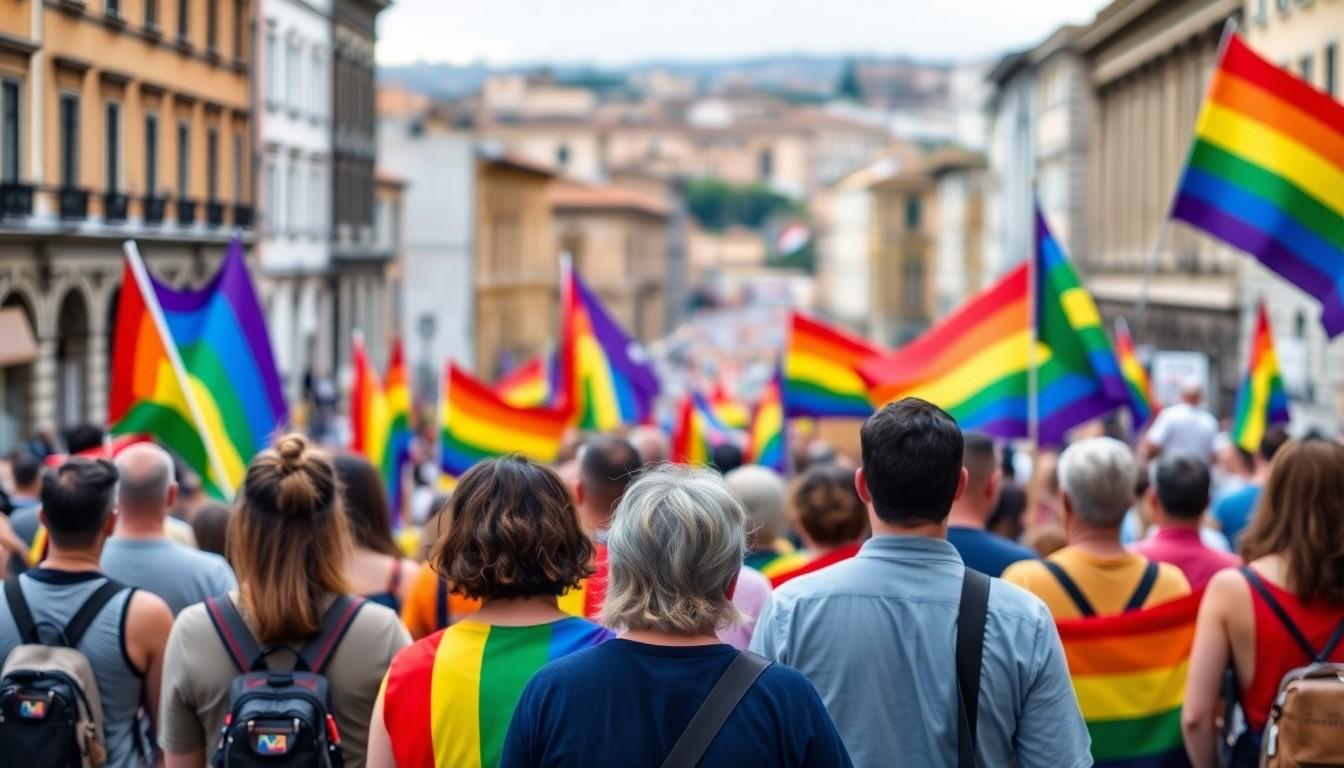
Shoppers and onlookers alike are watching Rome’s Pride season evolve: Keshet Italia, the only Jewish LGBTQ group in Italy, has agreed to march at Saturday’s Rome Pride after talks with organisers, a move that calms a tense standoff over Gaza and raises fresh questions about protest, inclusion and security.
Essential Takeaways
- Deal reached: Keshet Italia will march with its own delegation and symbols after negotiating with Pride organisers.
- No float, but space: The group will walk on foot in a designated section rather than using a float, and extra security measures are planned.
- Platform dispute: Tension stemmed from Keshet’s refusal to endorse language in Rome Pride’s political platform that described the Gaza war as a “genocide.”
- Civic mediation: Rome’s mayor stepped in to help broker the agreement amid concern about rising antisemitic incidents.
- Looking ahead: Keshet will join the coordinating committee for next year’s Pride, suggesting a longer-term attempt at reconciliation.
How the compromise came together and why it matters
The headline fact is simple and visual: Keshet Italia will be on the march, flags in hand, not on a float. That tactile image , people walking together under bright banners , matters because Pride is as much about presence as slogans. According to local reporting, the breakthrough came after mediation involving Rome’s mayor, who helped defuse a dispute that had been escalating in public and online. The result matters beyond one parade: it tests whether pluralism can survive within movements that mix culture, politics and fierce moral convictions.
What sparked the row: platform wording and political pressure
At the heart of the dispute was a single phrase: Rome Pride’s political platform characterised the war in Gaza as a “genocide,” language Keshet could not endorse. Organisers initially barred Keshet’s float because the group refused to sign off on that wording, which mirrors broader international debate and diplomatic friction. Coverage from several outlets traced how the disagreement shifted from a policy tiff to a very public split, with both sides arguing principle and representation. For activists and observers, this was a reminder that Pride events are political stages as much as community celebrations.
Security and antisemitism concerns that shaped the talks
Safety was a live issue throughout the negotiations. In Italy and across Europe there’s been heightened anxiety about antisemitic incidents, and that context helped push municipal authorities into mediation. The compromise , marching on foot in a designated section with additional security , aims to balance visibility with protection. Organisers say the arrangement reduces flashpoints on the route, while community leaders hope it prevents the parade from becoming a platform for confrontations that could intimidate participants.
What it means for movement unity and future Pride planning
Keshet’s acceptance of a place in this year’s parade comes with a seat at the table next year: the group will join Pride’s coordinating committee. That’s significant because it moves the dispute from the street into planning rooms where compromise is more likely to take root. It also signals a tactical shift for both sides: one opting to safeguard communal presence, the other acknowledging that inclusivity may require procedural give-and-take. Expect debates at future Pride meetings to be more intense, and more formalised, as groups negotiate how broad a coalition can be without losing its political voice.
How to think about activism, protest language and practical choices
Language matters , it shapes who feels included and who walks away. Yet practicality matters too: marching together can protect vulnerable groups and keep focus on shared LGBTQ rights. If you’re part of an activist community, consider these simple takeaways: clarify non-negotiables early; use coordinating bodies to hash out platform language; and think about safety logistics as core planning, not an afterthought. These modest steps can prevent public breakdowns and keep the parade route focused on celebration and rights.
It's a small but telling compromise that could influence how European Pride events handle political flashpoints in future.
Source Reference Map
Story idea inspired by: [1]
Sources by paragraph: