Shoppers, neighbours and festival-goers have been captured in vibrant colour for decades thanks to one local lensman. Scott Lokitz’s images of St. Louis Pride and LGBTQ life show who turned up, how they dressed, and why those moments still matter , a visual archive that’s finally ready for a wider audience.
Essential Takeaways
- Local legend: Scott Lokitz documented St. Louis Pride and queer nightlife for more than 30 years, becoming the community’s go-to photographer.
- Analogue roots: He started with film, darkrooms and long editing hours , prints, negatives and meticulous labels live in his archive.
- Rare access: As one of few professional photographers at major events, he shot celebrities, politicians and thousands of community members up close.
- Family ties: His work was often a family affair; his mother and grandmother supported early Pride outings and appear in his stories.
- Digitisation ahead: Tens of thousands of images are catalogued in his basement, with plans to digitise and share them more broadly.
Why one photographer mattered: the pre-smartphone era
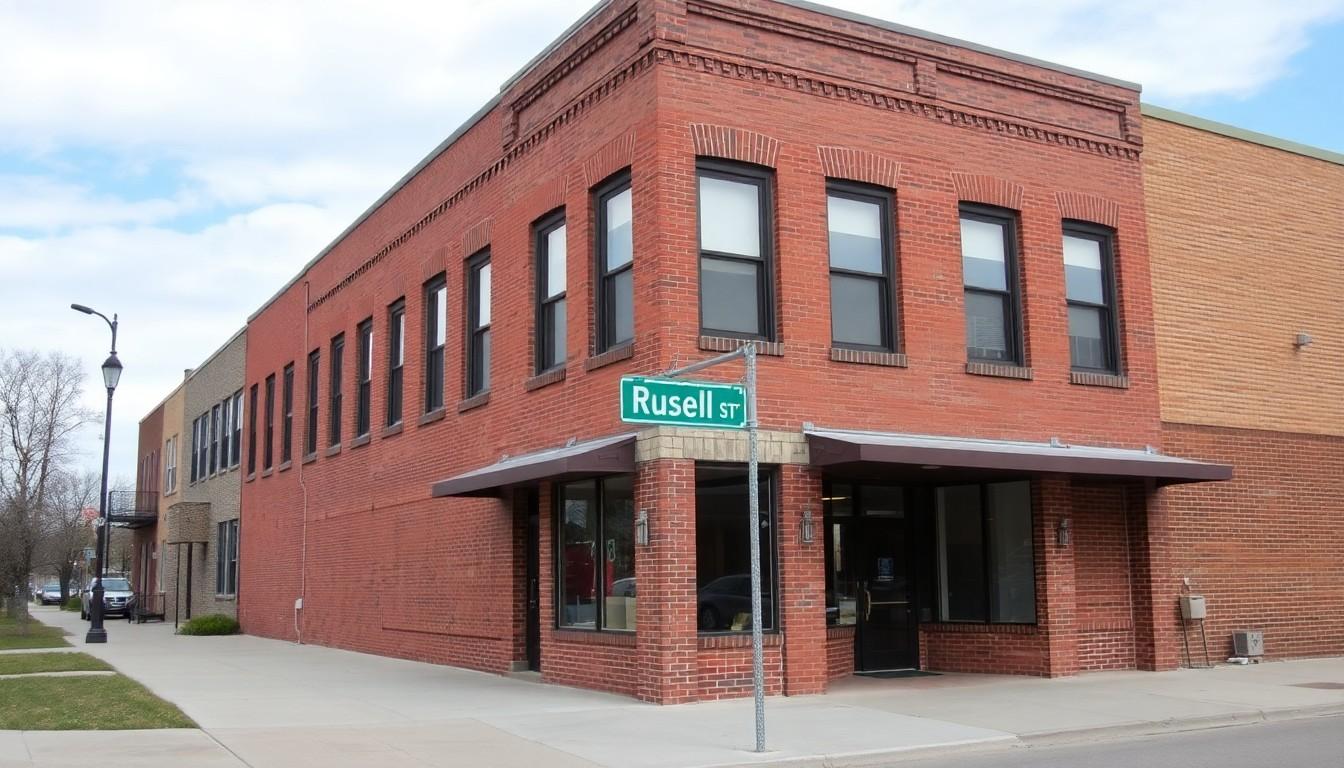
Before camera phones turned everyone into an instant documentarian, a community photographer was an essential storyteller, and Scott Lokitz filled that role for St. Louis. His pink neon triangle over a Russell Avenue studio became a recognisable signal that someone was there to record life as it happened. The photos register more than faces , they capture texture, the hum of a barroom, the glint of sequins under stage lights.
According to local reporting, Lokitz began shooting Pride in the early 1980s and volunteered before taking an official role in the 1990s. That continuity matters: one photographer following the same events year after year creates an archive you can read like a social history.
From Fisher‑Price camera to festival stages
Lokitz’s path started small , a Fisher‑Price toy then a Kodak Instamatic , and led to prime positions at big events. He worked at a camera shop in California that Ansel Adams once visited and later returned to St. Louis to pick up earlier relationships and commitments. That mix of formal exposure and a life lived inside the scene gave him both technical chops and an instinct for the decisive moment.
Because professional coverage was sparse, Lokitz found himself at concerts and rallies photographing well-known acts and political figures as naturally as he photographed friends at bars. His perspective blends the polished with the intimate.
The grind behind the glamour: film, editing and dedication
Photographing a long festival day didn’t end when the tents packed up. Lokitz has described how an eight‑hour event could mean 40 hours of editing, sorting and layout to produce a finished album. Weddings and commissions brought extra hours and costs , the economics of film processing could be brutal.
That labour explains why his archive is so carefully organised. Every image had meaning and required hands‑on attention; that physical stewardship is now a real asset for historians and families who want prints that last.
A basement archive that reads like time travel
Walk into Lokitz’s basement and you find labelled boxes, event files and contact sheets arranged by year and location. It’s a catalogue not just of faces but of changing fashions, slogans and festival setups. He’s spoken about plans to digitise the collection so the wider St. Louis community can see those decades of Pride in context.
Digitisation is more than convenience; it’s preservation. Film degrades, paper fades, and sharing those images online would let younger generations and researchers compare eras and trace how visibility evolved.
What to look for in community photo projects
If you’re choosing someone to document your community event, look for a few practical things Lokitz exemplifies: consistency over time, respect for subjects, careful archiving, and a willingness to spend time in post‑production. Ask about formats (digital versus film), turnaround times, and whether prints or digital files will be preserved.
If you’re a participant, consider how you want images used; discuss permissions up front and ask whether historical prints can be digitised for archives. A little planning today keeps the memory intact tomorrow.
It's a small change that can make every snapshot part of a much bigger story.
Source Reference Map
Story idea inspired by: [1]
Sources by paragraph: