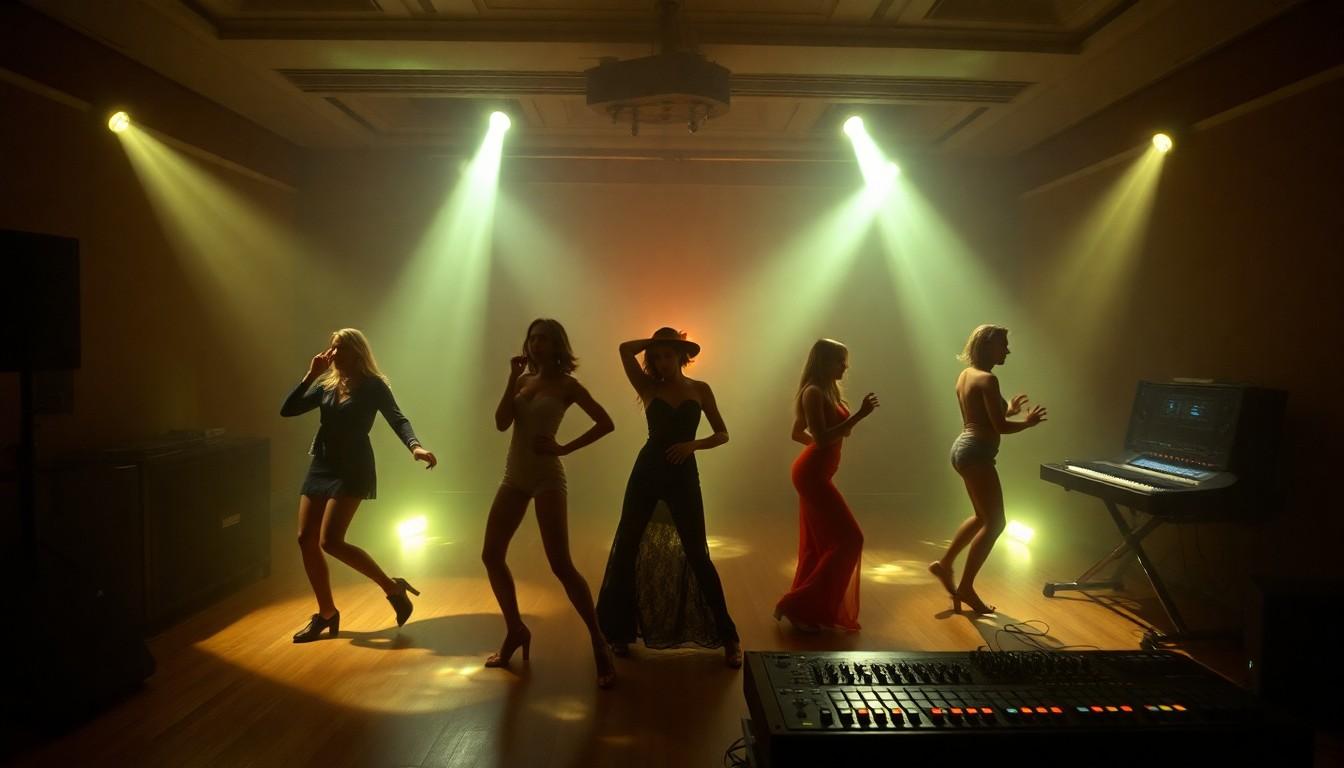
Watch the floor , Ballroom’s beat is equal parts history and high heel. If you’re heading to Making Music with Pride: The 909 Ball in London on June 23, or you simply want to feel the energy at home, these essential ballroom and voguing tracks map the sound, the moves, and the communities that made them.
Essential Takeaways
- Roots matter: Ballroom music blends disco, garage, Chicago and New York house with chants and percussive hits that cue poses and dips.
- Iconic sounds: The TR-909 drum machine is central to the scene’s rhythmic swagger, prized for its kick, snare and cymbal textures.
- Performance-first: Tracks often build around call-and-response, chant breaks and abrupt drops that let voguing and runway storytelling breathe.
- How to listen: Focus on percussion and vocal cues , those snap, crash and shout moments tell performers when to hit the pose.
- Community power: Ballroom music isn’t just dancefloor fuel; it’s survival music born in Black and Latin LGBTQ+ houses and kept alive by chosen family.
Why the music still hits like a statement
Ballroom sound is immediate and tactile , you can feel the snap of a vogue in the cymbal crash. According to histories of ball culture, music has always been the backbone of balls, giving competitors the exact sonic cues they need to command the floor. That’s as true today as it was when underground New York scenes developed their own soundtracks to accompany runway, face and performance categories.
The night at The 909 Ball leans into that lineage: expect a TR-909 demonstration and DJ sets that highlight percussion-forward grooves. For anyone new to voguing, listen for the call-and-response moments; those are where the storytelling happens and where judges and crowd connect with the performer.
TR-909: the drum machine that became a ballroom staple
The Roland TR-909 isn’t just gear nerd lore , it’s a texture that changed club music. Producers in house and techno scenes adopted its hard kick and snappy snare, and ballroom DJs leveraged those sounds to create arresting, rhythmic spaces where poses land like punctuation. Demonstrations at events such as Making Music with Pride help demystify how a few drum hits can dictate an entire routine.
If you’re choosing tracks for a practice session, pick ones with clear, staccato percussion so your timing for dips and spins is obvious. DJs often accentuate these moments live, giving performers extra space to sell a move.
Tracks that define runway, vogue and performance categories
Some records are practically shorthand for specific categories , from slow, dramatic instrumentals that suit Face and Old Way posing, to high-energy house for Vogue Femme and Runway. BBC and museum overviews of ball culture note how tempo and arrangement shape the judging criteria: slower tracks reward nuance and expression, fast cuts require athleticism and timing.
When assembling a playlist, alternate pacing. Start with mood-setting disco or garage for presentation, then move into harder house to raise stakes. That mix keeps a ball exciting and gives different competitors room to shine.
What the community says , music as survival and celebration
Ballroom arose from Black and Latin LGBTQ+ communities as a place of refuge and recognition, and the music carries that weight. Contributors to cultural retrospectives emphasise that songs do more than entertain; they announce identity, defy exclusion and create chosen family. Contemporary events bring that context to the fore, pairing panels with legends, DJs and runway showcases, so the beats are heard alongside history.
Attending a community ball or watching a live demo changes how you hear the tracks , you start picking out the moments where musicians and performers trade signals, laughing or shouting encouragement between rounds.
How to build a beginner-friendly ballroom playlist
Keep it tactile. Start with a few classic disco and garage cuts to warm up, then introduce Chicago and New York house with clear 4/4 kicks and sharp hi-hats. Add chant-heavy tracks and edits that include recognizable samples for cueing. Practise with songs that have obvious drops and fills so novices can learn to read the music.
If you’re preparing for a local ball or just voguing at home, test tracks at real volume and feel how the TR-909-style kicks sit in the room , that low thump matters for timing. Also, swap songs mid-set to mirror real ballroom pacing; it trains stamina and adaptability.
It's a small change that can make every pose land truer.
Source Reference Map
Story idea inspired by: [1]
Sources by paragraph: