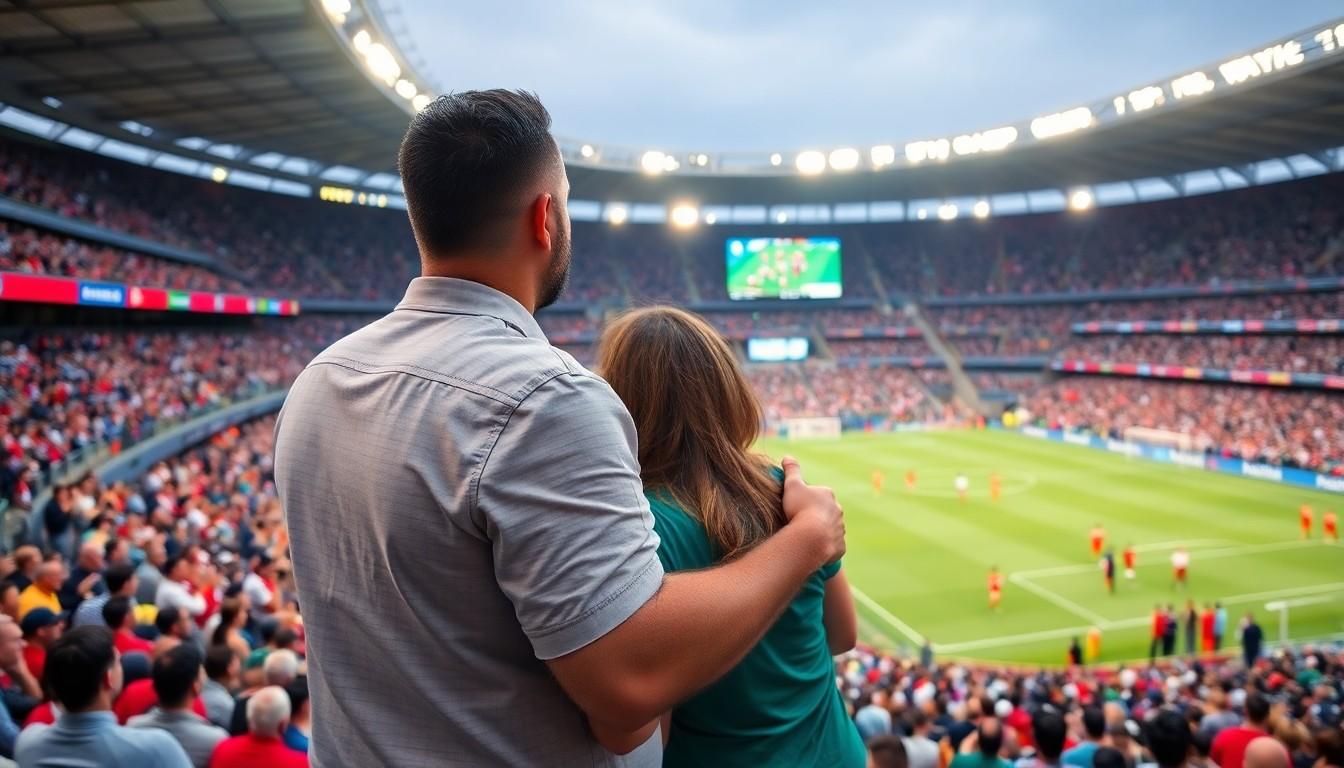
Shoppers and fans alike are pausing for a moment: a simple, joyful kiss between two men at the 2026 World Cup has become a viral emblem of belonging, lighting up timelines and conversations about LGBTQ+ inclusion in football worldwide. It matters because it’s ordinary, visible, and quietly powerful.
Essential Takeaways
- Iconic but everyday: A candid photo of two men kissing in the stands during Mexico’s 2026 World Cup match captured a moment that feels both normal and revolutionary.
- Context matters: Mexican football has faced criticism for anti-gay chants, so the image landed against a backdrop of concern about fan behaviour.
- Visibility gap: There are still few openly gay male players at the top level, so fan moments like this carry extra weight for representation.
- Club action exists: Premier League clubs and campaigns are increasingly active with Pride programmes and initiatives, showing football institutions are trying to change culture.
- Joy as protest: The image isn’t a demonstration. Its power comes from being affectionate, casual and unapologetically celebratory.
A kiss that travelled farther than the stadium
The photograph of two men sharing a kiss while cheering Mexico lit up social media precisely because it looks so ordinary , laughter, flags, a warm embrace. According to Outsports, that ordinariness is the point: it normalises queer affection in a space where that’s still not guaranteed. For many LGBTQ+ fans the image felt like a tiny victory, a quiet reclaiming of terraces that have long been hostile.
There’s a sensory clarity to the picture: the bright stadium lights, the crowd’s hum, a soft, human moment in the middle of a sporting roar. That contrast is what made people stop and share. It’s a reminder that representation often arrives in small, human gestures rather than statements.
Why this still matters in football culture
Football hasn’t always been a safe space for queer people. Episodes of anti-gay chanting and exclusionary behaviour have been reported across leagues and nations, and Mexican football has been called out in the past. FIFA and governing bodies have had to intervene on several occasions, and campaigns aimed at curbing discriminatory chants are ongoing.
So when an image like this circulates, it’s not photographed in a vacuum. It lands within a context of activism, sanctions and cultural conversation, and that gives it extra emotional weight. For many viewers it signals progress: a possibility that matchday rituals can include same-sex couples without drama.
Clubs and campaigns are pushing inclusion forward
You don’t have to look far to find institutional efforts to make football more inclusive. Chelsea runs an active Pride programme, while the Premier League’s Football with Pride initiative offers resources and visibility for LGBTQ+ fans and communities. West Ham and other clubs have celebrated Rainbow Laces events and created dedicated fan groups and spaces to welcome queer supporters.
These initiatives help, but they’re part of a long game. Visibility in the stands , captured in one photo , and formal club policies work hand in hand. That combination nudges culture from the top down and the grassroots up, slowly reshaping matchday norms.
Why fan moments matter more than you might think
There are still very few openly gay male professional players active at the highest levels of the sport, which makes scenes of queer celebration in the crowd particularly important. They offer role models to younger fans and subtle permission slips to those worried about being visible. Joy, cheering and affection at matches tell a simpler story than marches or manifestos: that football can be for everyone.
Practical tip: if you’re attending matches and want to show support, small acts help , wearing club Pride merchandise, joining official fan groups, or simply standing up against homophobic language when you hear it. These gestures make the stadium feel safer for people who might otherwise hide.
Looking ahead: slow progress, bright moments
Moments like the World Cup kiss won’t fix everything overnight, but they shift the conversation. They remind us that culture changes through countless tiny, public acts as much as through policy. And if clubs, leagues and fans keep building on initiatives like Premier League with Pride and local Rainbow Laces campaigns, the cumulative effect could be real and lasting.
It’s tempting to read the photo as a headline; better to read it as a daily reality starting to feel less risky for queer fans. That ordinary joy could become the new normal if everyone keeps showing up.
It's a small change that can make every cheering, singing, kissing moment on matchday feel a little safer.
Source Reference Map
Story idea inspired by: [1]
Sources by paragraph: