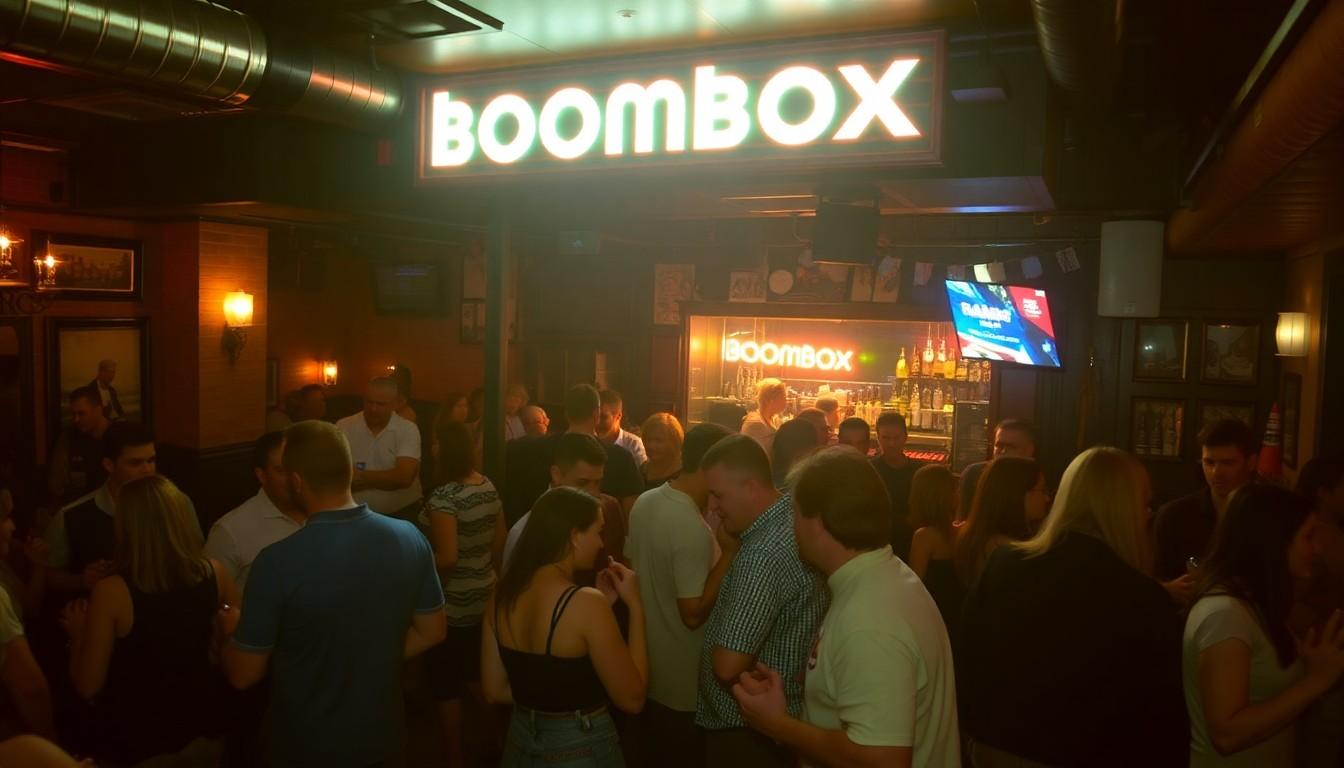
Spotting a queer café or a lesbian night out can feel like finding treasure, and St Louis organisers are turning those small discoveries into something bigger , regular nights, pop-ups and queer-owned venues that actually help people meet, belong and, yes, sometimes fall in love.
Essential Takeaways
- Growing local hubs: Weekly lesbian nights and themed events are returning to St Louis, offering predictable places to gather and socialise.
- Venue vibes matter: Many gatherings lean into intimate, welcoming settings , snug patios, downstairs bars and pop-up spaces that feel safe and lively.
- Community-first organisers: Volunteers and small teams curate events that mix joy, politics and visibility, making attendees feel seen.
- Easy entry for newcomers: Solo visitors often report leaving with friends; low-pressure formats like bar nights or pop-ups help people connect.
- Support translates to survival: Spending locally at queer- and lesbian-owned spots helps keep those venues open and communities thriving.
Why predictable nights are changing everything
There’s something quietly revolutionary about a weekly lesbian night tucked under a larger venue. According to local organisers in St Louis, setting a steady, easy-to-find time and place gives people permission to show up, again and again, without the burnout of chasing one-off parties. Venues with a cosy, familiar feel , think a tucked-away bar or a leafy patio , make conversations flow and nerves settle. If you want to try one, look for midweek gatherings; they’re often less intense and more conversation-friendly than big Pride weekends. Bring cash for patios and small bars, and expect a warm welcome.
From pop-ups to permanence: how events rebuild social life
Pop-ups and themed nights are cropping up across the city, and they’re doing more than entertain , they’re rebuilding circuits where queer women and lesbians can meet other humans, not profiles. Organisers curate everything from drag-adjacent shows to dance nights that also include political discussion, which helps communities stay engaged and informed. The mix of joy and activism keeps events meaningful and draws diverse crowds. If you’re organising, try rotating formats: a dance night one week, a discussion or reading the next. That variety helps people plug in based on mood and energy.
The power of small venues and queer-owned businesses
Small, queer-owned cafés, bars and shops act as community anchors. They’re where a thrown-together conversation becomes a friendship and where volunteers meet to plan the next event. Supporting these spaces , not just online but with your feet through the door and your money at the bar , makes a real difference. Many hosts rely on consistent attendance and modest donations to keep nights running. Tip: follow venue accounts or local mailing lists for last-minute pop-ups and events, and keep some cash handy for patio fees or food trucks.
How organisers balance joy and politics
Events that succeed tend to combine celebration with conversation. Curated nights often feature performers, welcoming staff and moments that spotlight current issues facing queer and trans communities. This balance helps attendees feel entertained and connected to the broader struggles that affect daily life. According to community leaders, that blend also attracts newcomers who might be curious about queer culture but unsure where to start. If you’re attending for the first time, remember organisers are usually volunteers; a simple “thank you” or a small tip goes a long way.
Where to start if you’re new or nervous
Show up alone , seriously. Many people say they left events with friends after attending solo. Start with low-pressure formats like a queer speed-dating night, a pop-up party, or a weekly bar night. Look for venues advertising sapphic-focused events or lesbian nights. Bring a friend if you want, but don’t be afraid to say hello to someone at the bar or offer to share a table. Wear what makes you comfortable; community spaces tend to be warm and inclusive by design. If you’d rather dip a toe in, follow local event listings and queer community pages for photos and tone , that’ll tell you whether a space feels like your kind of crowd.
It's a small, steady effort , showing up, supporting venues, saying thanks , but it’s how friendships, community and sometimes love begin.
Source Reference Map
Story idea inspired by: [1]
Sources by paragraph: