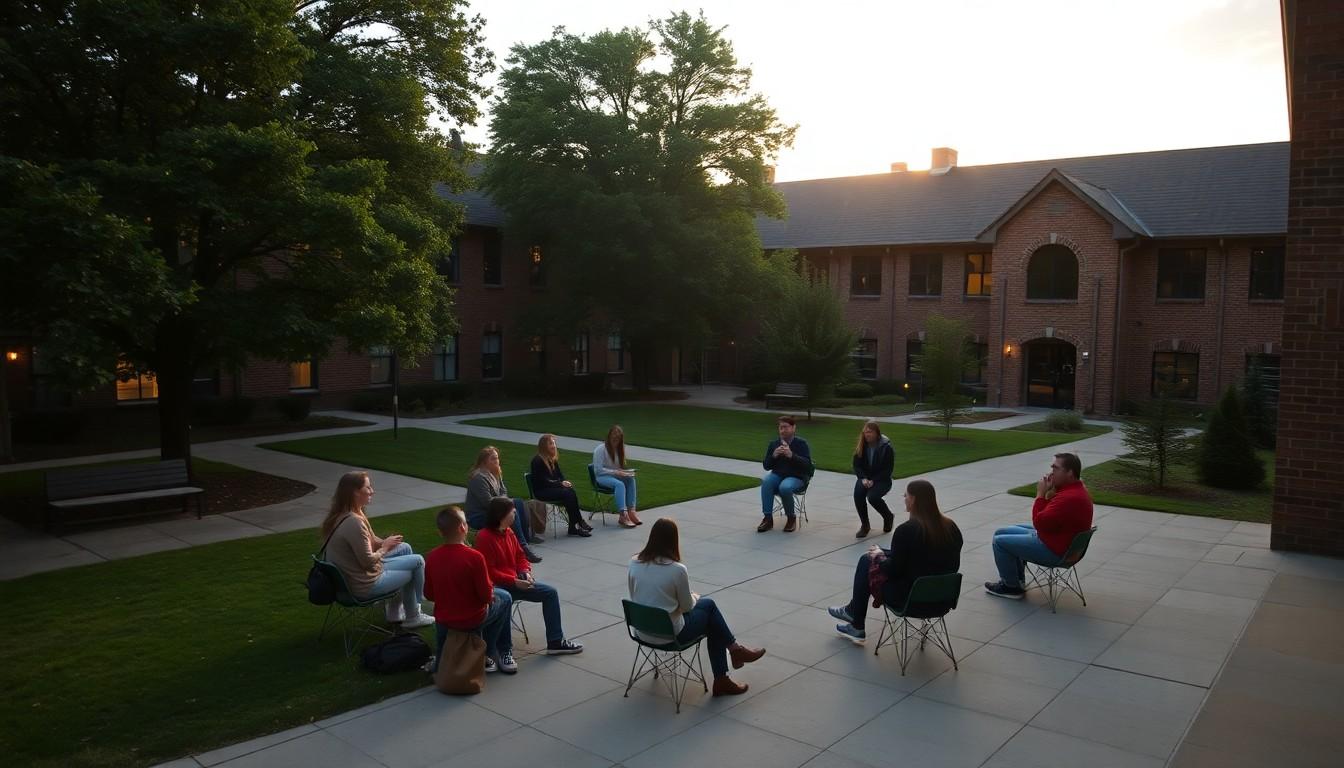
Shoppers and parishioners alike are noticing a quiet persistence: gay Catholics who remain practising and committed, and why that matters. From visible ministries to long-term catechesis, these pilgrims of Pride show how faith and identity can coexist in everyday parish life.
- Visible ministry: Many stay because they can serve as lectors, Eucharistic ministers or catechists, making their faith felt and their presence normalised.
- Slow progress: Institutions and schools increasingly support LGBTQ+ students and staff; that sense of safety feels hopeful and tangible.
- Personal fit: For some, Catholic worship, rituals and sacraments simply feel right in a bodily, emotional way, not an argument, but an experience.
- Deliberate choice: Remaining is often an active decision, not inertia; people choose to keep ties to sacraments, community and spiritual practice.
- Practical pathway: Long-term roles such as RCIA/OCIA catechist offer direct opportunities to welcome diverse newcomers into the Church.
Why “How does that work?” is the question everyone asks
It’s the question that starts conversations, sometimes awkwardly, sometimes tenderly, and usually with a story tucked inside. According to writers and participants in queer-Catholic communities, this query opens up dialogue more than it closes it. The curious often expect a neat answer, but what follows is usually an invitation to sit down and exchange experiences, not a theological thesis.
People who are out and practising report that visibility, teaching in Catholic schools, serving at Mass, changes the rhythm of those questions. When you’re regularly seen at the lectern or in the classroom, your Catholicism isn’t theoretical; it’s a lived, audible thing. That practical presence answers more than one sermon ever could.
Small institutional shifts make a big emotional difference
For many, the difference between leaving and staying hasn’t been a single dramatic conversion but a string of quieter changes: schools that support student groups, parishes that accept gay staff, and ministries that welcome volunteers without a second thought. These shifts create a softer, safer landscape.
It’s worth noting that progress is uneven. Some dioceses and parishes remain hostile or indifferent, while others model inclusive practice. If you’re weighing whether to remain, look for concrete signs at your local parish: approved extracurricular groups, supportive staff, and opportunities to participate in ministry.
The sacraments are often the emotional anchor
People frequently describe sacraments not as doctrine but as a sensory experience: the smell of incense, the weight of bread in the hand, the quiet after Communion. That embodied faith can feel like home in a way that intellectual logic doesn’t replace.
Staying, for many, is less about arguing theology than about remaining attached to those practices that shape life. If you’re assessing your own relationship with the Church, ask yourself which rituals you find nourishing, and whether leaving would mean losing those anchors.
Choosing to stay is an act of agency, sometimes defiant, often dignified
Some remain out of what they admit is a petty impulse, refusing to “let them win.” But that blunt phrasing masks a deeper truth: staying can be a dignified claim to belonging. People assert that they are as much part of the Mystical Body of Christ as anyone else, and they’ll not surrender that identity because others would prefer they did.
Practically, that means staying engaged, voting in parish councils, teaching RCIA/OCIA, or simply showing up for Sunday Mass. These acts change parish life in small but cumulative ways.
Helping others in is as important as staying in oneself
Long-term catechesis work, especially in RCIA/OCIA, is repeatedly named as a reason people remain. Welcoming new members, including queer people, becomes a source of joy and purpose. Seeing the Holy Spirit at work in newcomers rekindles faith and provides a clear, tangible reason to stay.
If you want to make a difference, consider volunteering with initiation programmes or youth ministries. Those roles don’t just help others, they reshape the volunteer’s own sense of belonging.
It's a small change that can make every parish feel more like home.
Source Reference Map
Story idea inspired by: [1]
Sources by paragraph: