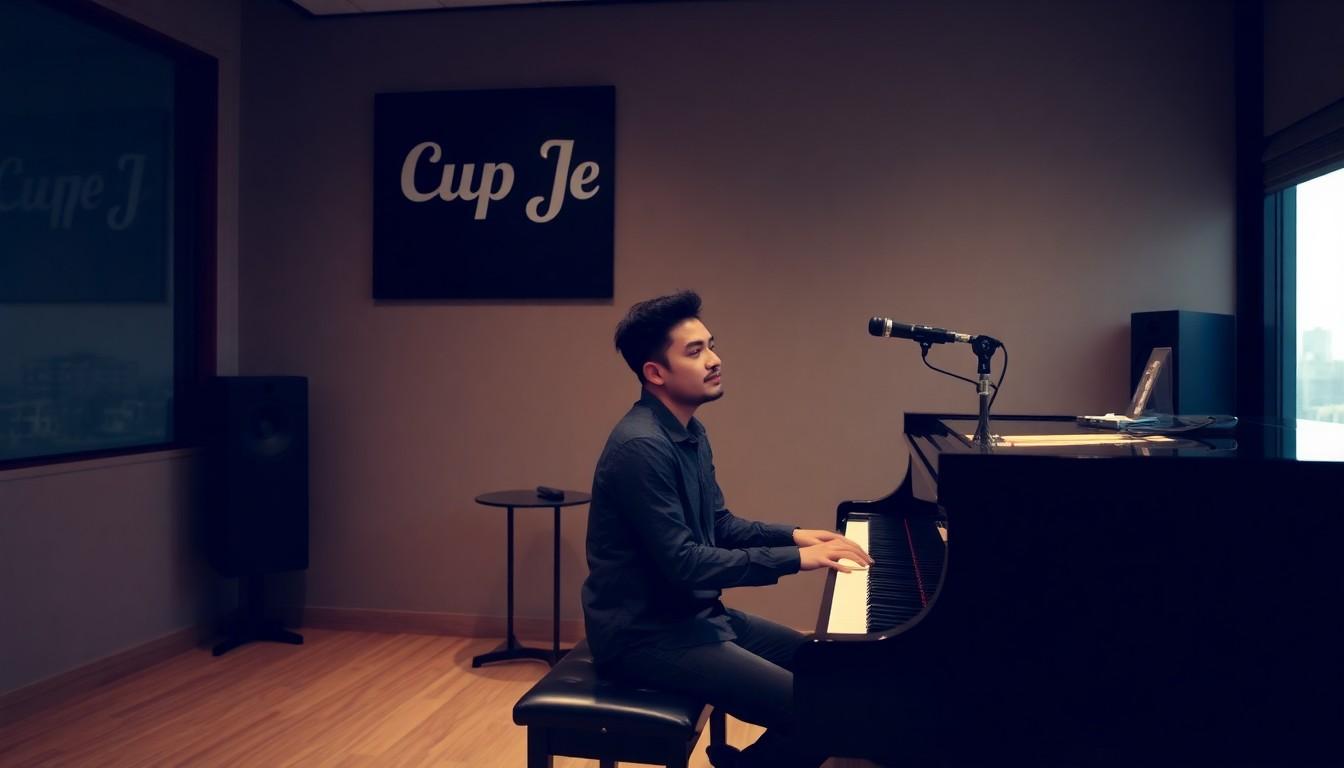
Shoppers of sound are hearing something different: Cup of Joe’s Gian Bernardino is using his platform to rewrite what a mainstream OPM boy band can look like, and his visibility matters for fans and future artists across the Philippines. This piece looks at why his presence is trending, what it means for representation, and how it’s changing audience expectations.
Essential Takeaways
- Visible representation: Gian Bernardino publicly embraces his queer identity, offering a rare openly LGBTQIA+ face within a mainstream Filipino boy band.
- Audience reaction: Fans have warmed to his authentic style and performance, giving him confidence to push boundaries in fashion and persona.
- Industry impact: His position challenges traditional boy-next-door masculinity and could expand who gets to be a pop star in OPM.
- Practical note: For aspiring artists, visibility plus strong craft can shift perceptions , authenticity resonates with today’s listeners.
Why Bernardino’s openness feels like a small revolution
Bernardino’s decision to be open about his identity lands as more than a personal milestone , it’s a visible nudge at long-held norms. According to Billboard Philippines, he wanted to be the kind of artist he never saw on TV when he was growing up, and that longing translates into performances that feel personal and intentional. The effect is tactile: fans respond to the confidence, and that quiet approval changes the room.
Historically, boy bands in the Philippines have been packaged with a narrow “boy-next-door” template. Bernardino’s presence loosens that mould, showing there’s space for different masculinities and self-expression. It’s a reminder that representation isn’t just symbolic; it reshapes the industry’s imagination about who can headline.
How fans and the band helped reshape his stage persona
Belonging to Cup of Joe has clearly been a two-way street. Bernardino has said the group’s growing success gave him the reassurance to dress and move as he wanted, and audiences “ate it up.” That response matters , it suggests listeners are ready for more varied performers and that commercial success and queer visibility aren’t mutually exclusive.
Cup of Joe’s trajectory from high-school band to OPM hotshot also provides context: they built a following around relatable storytelling and catchy hooks, so when Bernardino shifted towards a more authentic presentation, it arrived on a foundation fans already trusted. That trust is the kind of social licence artists need to experiment publicly.
What this means for wider OPM trends and the market
The move aligns with broader entertainment shifts where authenticity and diversity sell. When mainstream acts deviate from neat templates, it nudges peers and promoters to reconsider casting and marketing choices. According to local coverage, Cup of Joe’s rising profile and sold-out shows suggest promoters will pay attention.
For the industry, the takeaway is practical: audiences reward risk when it’s paired with craft. Managers and labels that lean into the variety of artist identities might reach new listener bases and avoid stale repetition. In short, diversity becomes both a moral and commercial asset.
How aspiring artists and fans can read this moment
If you’re an aspiring artist, Bernardino’s route offers a clear tip: develop your craft first, then let your identity shape your stage. Authenticity without preparation can feel raw; authenticity with skill feels magnetic. For fans, this is a cue to be curious and supportive , cheering for artists who break moulds helps make space for others.
And for parents, venue bookers or industry gatekeepers who worry about audience reactions, the evidence here is reassuring: fans accepted and celebrated Bernardino’s aesthetic and story. That’s a small but meaningful signal that the market is evolving.
Looking ahead: a more inclusive OPM is possible
Bernardino says he hopes to be “one of the flag-bearers” for LGBTQIA+ representation in Filipino pop. Whether he becomes the face of a larger movement or one of several visible artists, the shift has already started. The real test will be whether labels, media and fans keep supporting a wider range of performers long after the initial headlines fade.
It’s a cultural beat that feels hopeful: pop music has always been a mirror and a megaphone, and right now that reflection is getting brighter.
It's a small change that can make every performance feel a little freer.
Source Reference Map
Story idea inspired by: [1]
Sources by paragraph: