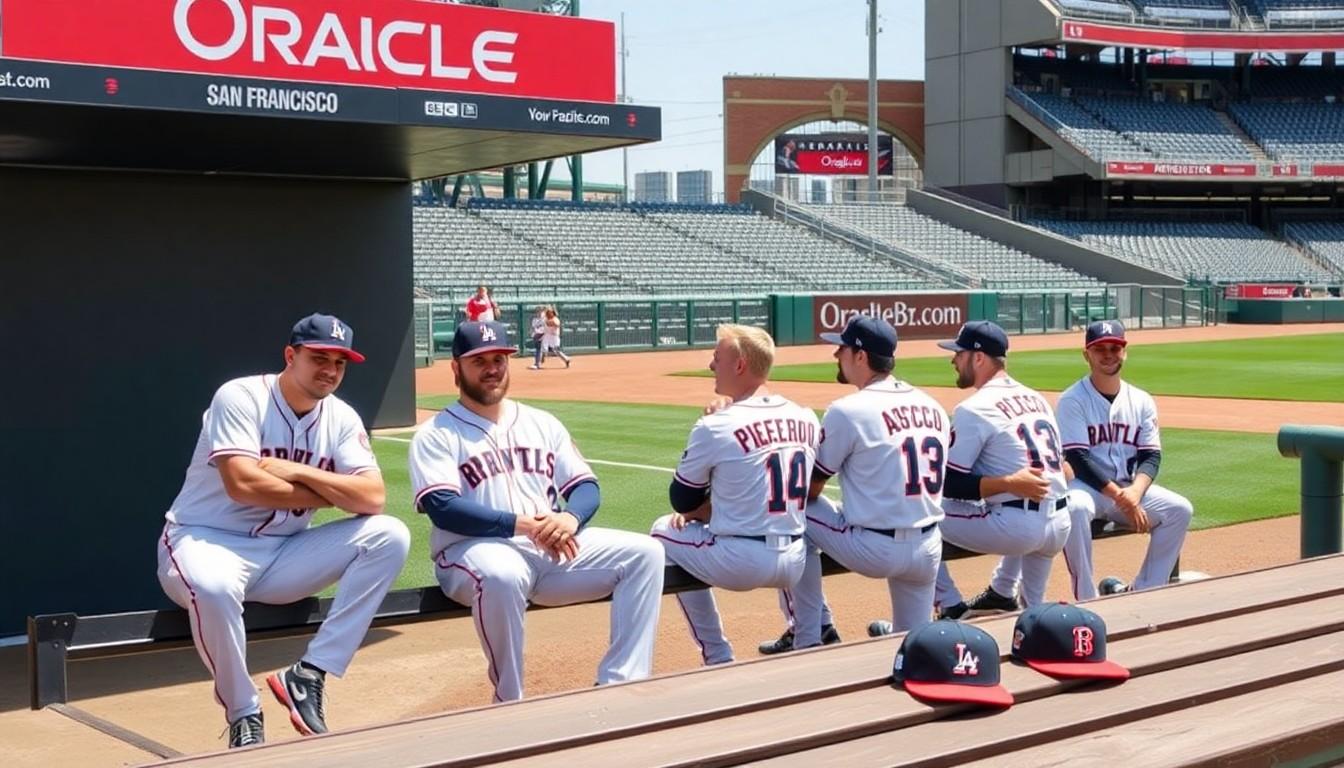
Shoppers are turning to sports pages for evidence that inclusion still matters , and MLB’s Pride moments this June proved why. Fans, players and clubs in San Francisco and beyond clashed over rainbow caps, sending a clear signal about who feels welcome at the ballpark and why league policy and empathy both matter.
Essential Takeaways
- What happened: Three San Francisco Giants pitchers wrote Bible references on rainbow Pride caps during a Pride Night game, prompting MLB to issue a warning about uniform alterations.
- League stance: MLB enforces uniform rules consistently, using those rules to manage on-field messaging and sponsor relationships.
- Fan reaction: Responses ranged from supportive to hostile, with some fans posting anti-LGBTQA+ comments under team Pride messages.
- Why it matters: Pride events aim to reassure marginalised fans; public player actions and fan backlash can undercut that purpose.
- Practical note: Teams can balance inclusion and policy by clear pre-game guidance, optional gear, and non-confrontational education.
Pride gear and a rule book: why MLB cited uniform policy
The sharpest fact here is simple and a little mundane: professional sports leagues treat uniforms as part of the product, and MLB has rules to stop players turning that canvas into a personal soapbox. CNN and CBS News covered the league’s warning, noting MLB’s response focused on the uniform code rather than the content of the messages. That procedural tack matters because it’s how leagues protect sponsor visibility and consistency , a quiet, corporate reason behind what looks like a culture fight.
But the context is textured. Teams often distribute rainbow-themed caps or jerseys at Pride events so fans see themselves represented in the stands. The Giants’ Pride caps were meant as a welcoming gesture, and when players altered them it created a visible clash at exactly the moment the club was trying to send a different message. For a practical takeaway, teams could avoid this tension by making Pride items optional rather than compulsory for game-day wear, while reminding players about uniform rules ahead of time.
Players, religion and public signalling: personal belief vs public moment
When three pitchers scrawled Bible verses across their caps, they framed the act as an expression of faith. According to reporting by local outlets and national papers, the players said they were exercising personal beliefs and not targeting anyone. That explanation sits awkwardly against the timing of their action , the caps were issued specifically to mark Pride Night. That’s why many fans and commentators read the move as a counter-message.
It’s worth noting leagues have handled religious expression before, and MLB’s uniform policy has been enforced in other, non-religious contexts too. The practical lesson for players is that symbolic gestures in uniform during themed nights are rarely perceived as neutral; teams and leagues will enforce rules to avoid a patchwork of on-field messages that would quickly spiral into sponsorship and consistency problems.
Fan reactions revealed why Pride nights still matter
The social-media response to the Giants’ Pride post laid bare something uncomfortable: a chunk of the fanbase still resists visible LGBTQA+ support. The range of comments , from hearteningly supportive to plainly hostile , explains why clubs stage Pride Nights in the first place. For many supporters from marginalised groups, seeing rainbow branding and public affirmations matters in a way we sometimes underestimate.
From a practical perspective, clubs can do more than hand out caps. Quiet measures like ally training for staff, clearer stadium signage about harassment policies, and visible safe-space volunteers make Pride more than a slogan. And for fans uncertain how to react, the simplest rule is to respect the night as a chance to include rather than exclude.
Sponsors, money and the limits of on-field expression
One unsentimental reason MLB wants uniform consistency is commercial. Stadium branding and sponsor relationships underpin team revenue, and leagues worry that allowing modified uniforms would open the door to all manner of pitch-side advertising and political statements. That’s a reality check for anyone who thinks sport can be outside commercial or cultural forces.
Still, pragmatic solutions exist. Clubs can offer optional off-field ways for players to show their convictions , charity drives, community visits, or pre-game media appearances that let players explain beliefs without altering the playing kit. That preserves player voice and league uniformity, and it keeps corporate partners comfortable.
Where we go from here: better planning beats louder rows
This episode shows that gestures matter and that the details do too. Pride Nights are intended to make people feel welcome, and when in-stadium actors , whether fans or players , send mixed signals, the whole purpose is diluted. Teams have an opportunity to tighten procedures: clear briefings for players, optional gear for those who prefer not to wear themed items, and more visible support structures for LGBTQA+ fans.
Looking ahead, clubs that combine firm, consistent uniform policy with genuine outreach will win trust on both sides. It’s a small shift in game-day logistics that could change the atmosphere for thousands of fans.
It's a small change that can make every Pride moment feel more genuinely welcoming.
Source Reference Map
Story idea inspired by: [1]
Sources by paragraph: