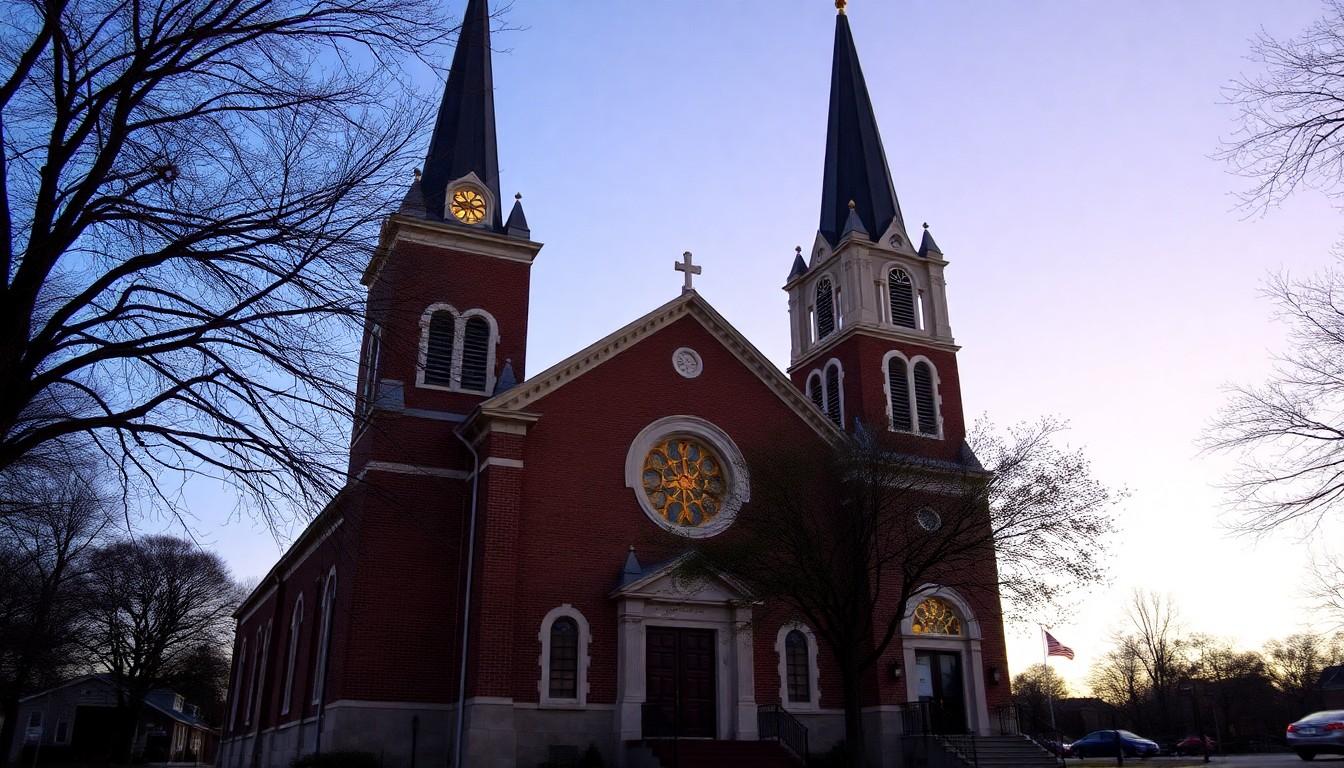
Shoppers of community and seekers of sanctuary are turning out to interfaith gatherings across DC this Pride Month, where clergy and LGBTQ+ people meet to celebrate belonging, reckon with past hurts, and build safer spiritual spaces. Here’s what’s happening, who’s leading it, and why it matters.
Essential Takeaways
- Who’s leading: Reverends Darryl! Moch and Ebony Peace are among organisers creating the 43rd annual Pride Interfaith Service, uniting clergy and LGBTQ+ people.
- Where and when: The main interfaith service is set for St. Mark’s Episcopal Church in Southeast D.C., from 7 to 8:30 p.m. on Monday.
- Tone and aim: The gatherings combine celebration with acknowledgment of “church hurt” and the need for explicit welcome and safety.
- How they help: Services emphasise listening, offering agency, and asking attendees what makes them feel safe, small gestures that heal real, long-held pain.
Why an interfaith service still matters: visible welcome, real repair
Interfaith Pride services are loud and gentle at the same time, brass, prayer and the quiet work of listening. According to local organisers, these events aren’t just ceremonial; they’re an attempt to reverse the damage many people feel from religious rejection. WTOP noted organisers stressing that faith communities must say plainly: you belong, you are loved. For folks who’ve been shunned, hearing that directly can feel like relief and risk at once.
Historically, Washington’s Pride and faith communities have intersected in visible ways, from cathedral events to community church celebrations. The modern interfaith moment blends ritual with restorative language, making it easier for newcomers to step back into a spiritual space without fearing condemnation.
Who’s organising and what they say: leaders who listen
The service is co-ordinated by Rev. Darryl! Moch and Rev. Ebony Peace, both long involved in inclusive ministry across the region. Moch’s blunt line, that people, not faith, drive exclusion, captures the practical point: congregations can choose welcome. Peace frames the work as starting with questions: ask what would make someone feel safe, then follow their lead.
That approach is refreshingly simple. It shifts authority to lived experience, turning abstract theology into concrete hospitality. If you’re curious about joining, expect clergy who emphasise care and listening as much as sermonising.
How the service fits into Pride Week and wider programmes
This interfaith gathering sits alongside Capital Pride events and wider city celebrations, forming a spiritual spine for Pride Week. Capital Pride Alliance’s annual programming and other city-hosted events create ways to celebrate publicly while interfaith services offer a quieter, reflective counterpoint. For many, a Pride parade is cathartic; an interfaith service can be quietly reparative.
If you’re planning your week, slot both types of events in: the parade’s electric joy and the service’s reclaimed stillness each do different work for community and healing.
Practical tips for attending: what to expect and how to prepare
Arrive a little early to find a seat and meet volunteers. Expect inclusive language, accessible seating, a mix of music and spoken reflections, and opportunities for personal prayer or silent reflection. If you carry trauma from religious rejection, bring a friend, a grounding ritual, or a note of what support you need, organisers emphasise that attendees are welcome to express needs and boundaries.
Volunteers often provide resources afterwards, so stick around for conversations and any follow-up groups. For families, these services can model how to talk about faith and acceptance with kids in a calm, age-appropriate way.
Looking ahead: healing, not a cure, but a start
These services don’t erase every wound, but they build small sanctuaries of welcome that can change someone’s spiritual trajectory. As organisers put it, more places of “security and safety and welcome” are being built, and that steady accumulation of welcome matters. Expect more clergy and congregations in DC to make public commitments in coming years, widening the spaces where LGBTQ+ people can practise faith without fear.
It’s a small change that can make every spiritual step forward feel safer.
Source Reference Map
Story idea inspired by: [1]
Sources by paragraph: