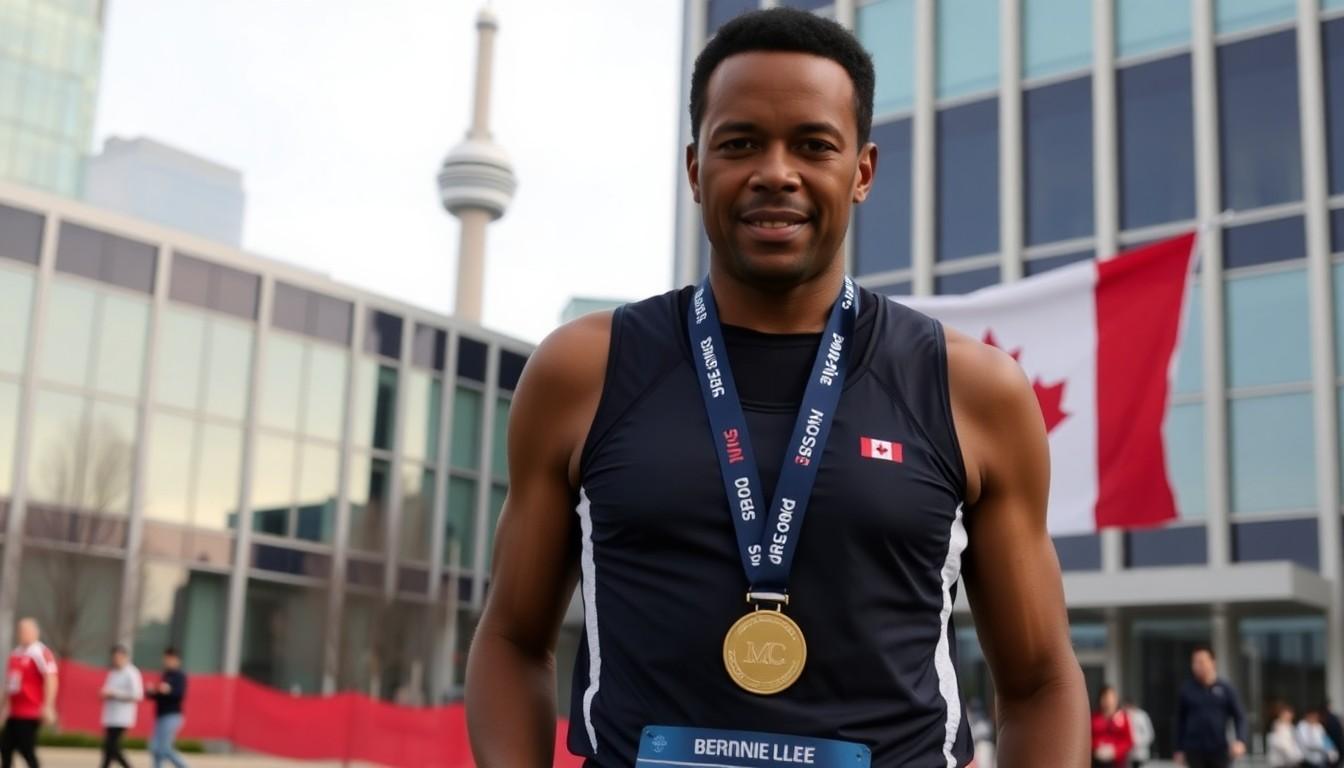
Shoppers are turning to stories of resilience this Pride Month as Toronto’s Pride and Remembrance Run marks 30 years; an 80-year-old trans non-binary runner, Bernie Lee Thompson, is an ambassador whose journey from late-life transition to running 600-plus races illustrates why visibility, community and remembrance still matter.
Essential Takeaways
- Long-time ambassador: Bernie Lee Thompson, age 80, represents the Pride and Remembrance Run as it celebrates its 30th anniversary.
- Late start, lasting habit: They took up running 16 years ago and have earned more than 600 medals; it’s credited with physical and mental health benefits.
- Transition and community: Thompson transitioned at 72 and credits 2SLGBTQ+ networks and Good Shepherd programs with crucial support.
- Historic meaning: The Pride and Remembrance Run honours lives lost to AIDS and advocates for 2SLGBTQ+ rights, adding deep personal resonance.
- Active civic life: Thompson remains engaged in choirs, advisory committees and digital storytelling projects , a vivid example of community leadership at any age.
A striking start: why this run matters more than a finish line
Toronto’s Pride and Remembrance Run isn’t just another road race; it’s a memorial and a platform, and that gives every stride added weight. Bernie Lee Thompson’s presence as an 80-year-old ambassador brings a quiet, textured emotion to the start line , a lifetime of stories packed into a steady, determined pace. According to the event’s organisers, the run was founded to honour those lost to AIDS and to press for equality, so each lap feels like both celebration and pledge.
The backstory matters here. Thompson only began running after a family tragedy nudged them to care for their own health. They found an entry point through community health programming and turned that first tentative 5K into a 600-race habit. It’s the sort of comeback narrative that reminds you why community-led athletic events can be as therapeutic as they are competitive.
From Steps to Health to the start line: how community programmes change lives
Good Shepherd’s Steps to Health programme played a practical role in Thompson’s transition from hesitant walker to regular racer. Programmes like that offer coaching, peer support and a structured route into fitness that many older adults find less intimidating than a gym membership. Thompson credits the group with the encouragement to enter their first race, which is the kind of specific, actionable help that turns intention into habit.
For readers thinking about a similar late-life fitness shift, the lesson is simple: look for local programmes that pair physical training with social support. That duo , training plus community , is what keeps people showing up.
Transitioning later in life: visibility, support and unexpected friendships
Transitioning at 72, Thompson found crucial emotional scaffolding in younger trans and non-binary people and in formal advisory roles. They’ve been candid about how being accepted, wanted and respected made the difference between hiding and thriving. There’s a broader trend here: community groups, choirs and health advisory committees are doing quietly powerful work helping older 2SLGBTQ+ people age with dignity.
If you’re supporting someone in mid- or late-life transition, practical steps matter: connect them to peer groups, local trans health resources and intergenerational spaces where younger and older voices mix. It’s these networks that transform medical or social challenges into shared strength.
Why running and remembrance pair so naturally for this race
Runs that double as memorials create a public ritual where grief and joy coexist. Thompson’s history with the AIDS epidemic , including time spent with MCC Toronto during the crisis , makes running in a race that honours those memories especially poignant. Running becomes an act of remembrance and of continued activism.
Event organisers and board members stress that the Pride and Remembrance Run channels both fitness and advocacy. For participants, that means you’re not just chasing a personal best; you’re participating in a cultural moment. Choose your category, lace up, and know your kilometre contributes to history being carried forward.
Practical tips if you want to join or support the run
If you’re thinking of participating or donating, start by checking the run’s official website for registration details and volunteer roles. Pick a category that reflects your identity comfortably , the event now includes a non-binary category , and plan a training schedule that fits your current fitness. For older runners or newcomers, join a community training group or a local Steps to Health-style programme to build endurance gradually and safely.
And if you’re attending as a spectator, bring a small banner or a few words of encouragement , races like this thrive on community noise. Your clap or cheer matters as much as any medal.
It's a small change that can make every stride a meaningful celebration of life, memory and community.
Source Reference Map
Story idea inspired by: [1]
Sources by paragraph: