Shoppers and gallery-goers are reconnecting with the power of portraiture to shift hearts and minds; artist Nina Katz’s Larger Than Life series in San Francisco shows who, where, and why this matters now , offering intimate, visible portraits that push back against rising anti-trans rhetoric.
Essential Takeaways
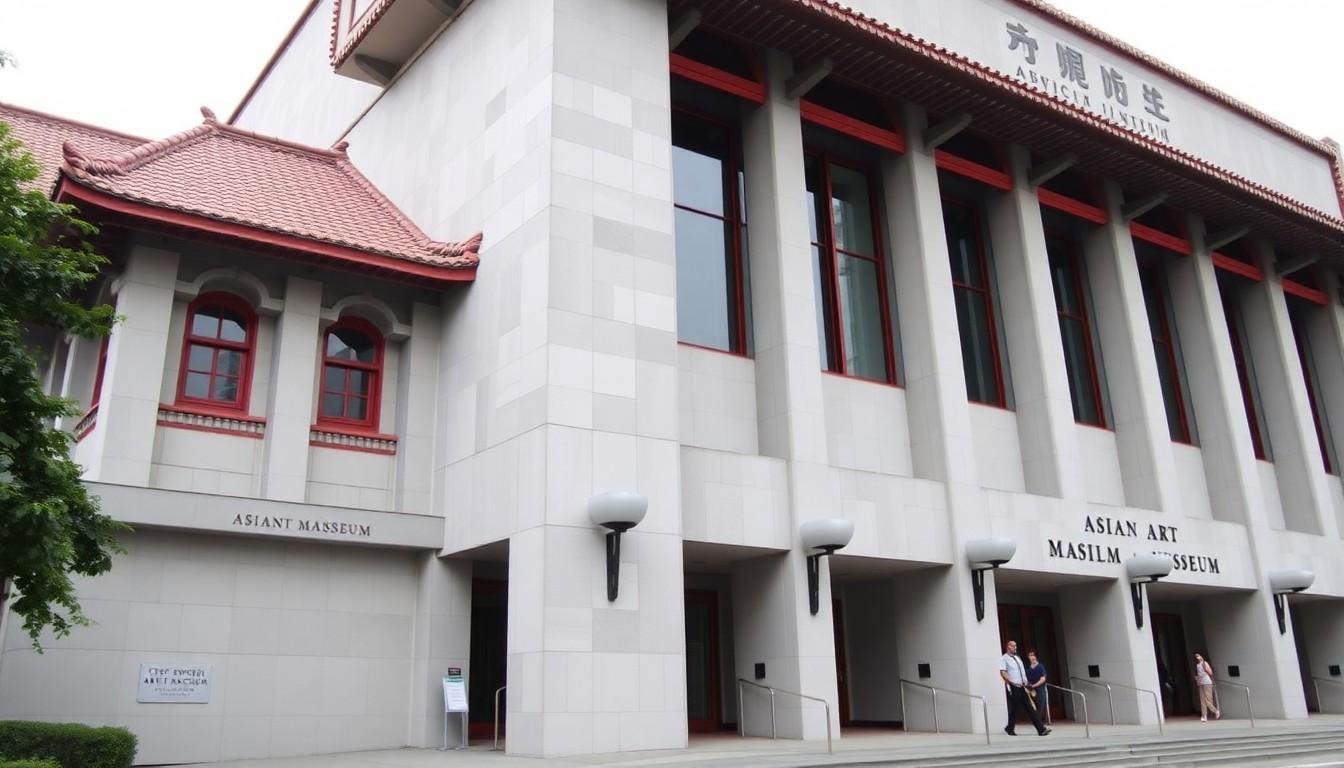
- Shown locally: Katz’s nine portraits will appear at the 2026 SF Pride Annual VIP Party at the Asian Art Museum, a visible platform in a charged moment.
- Personal impetus: The series began because Katz’s daughter is trans, giving the work an intimate, observant gaze.
- Tactile presence: The paintings convey close attention to skin, posture and expression , the kind of detail that invites empathy.
- Public impact: Exhibitions paired with panels, where subjects answer questions, create human encounters that change minds.
- Wider context: The portraits arrive alongside renewed legal and cultural fights over trans rights, making visibility both artistic and political.
Why portraits still work as a political act
There’s a quiet electricity in a well-observed face, a feeling that you’re in the room with someone rather than at them, and Katz’s canvases do exactly that. Portraiture slows viewers down; you lean in and notice a tilt of the head, the softness of a gaze, a scar or laugh line that says, this person has a life. According to Design Observer, Katz painted people she knew and photographed them closely, layering observation into every brushstroke. That intimacy is a simple corrective when public debate reduces whole communities to headlines.
Historically, intimate representation has shifted public sentiment before. Stonewall and the early gay rights movement created visible communities and places that mattered, and later, the AIDS crisis made invisibility lethal. The Centres for Disease Control and historians note how public visibility, coupled with advocacy, changed the course of policy and care. Portraits aren’t a cure-all, but they’re a tool: they humanise abstract subjects and complicate easy, fearful narratives.
From studio to panel: why presentation matters as much as the painting
Katz didn’t stop at the canvas. When she opened her show she invited the people she’d painted to sit on panels and answer questions , a strategy that turned art into encounter. Organisers and curators increasingly use this mix of display and dialogue because it forces a second look; people who might otherwise stay away come to listen. In many cases that follow-up conversation is what breaks down assumptions.
This approach matters especially now. The American Civil Liberties Union reports hundreds of anti-LGBTQ+ bills moving through US legislatures, many focused specifically on transgender youth. Art that also creates space for real people to speak gives viewers a direct, lived context those bills try to erase. If you’re planning a visit, look for those added events: they’re where a painting’s empathy turns into civic understanding.
Portraits as antidote: what viewers actually gain
If anything, Katz says, art raises questions , and that’s exactly its strength. A painting can’t legislate, but it can complicate the tidy stories people tell themselves about who deserves dignity. Viewers often report feeling unsettled in the best way: curiosity replacing certainty. That shift is subtle but cumulative; it’s how culture changes one person at a time.
Practical tip: when you see portrait work like this, stay longer than you think you will. Take a seat, read the wall text, and, if there’s a panel or Q&A, go. You won’t necessarily change overnight, but you’ll store a new image , one that shows a person rather than a policy problem.
Echoes from the past: what history teaches us about visibility
The history of LGBTQ+ visibility , from the bustle of Christopher Street in the early 1980s to the devastating impact of the AIDS epidemic , shows the stakes. Public places, community rituals and artistic expression created networks of support long before policy followed. The CDC and national archives document how visibility helped drive healthcare responses and activist energy during the AIDS crisis; the lesson for today is clear. When a community is visible and heard, it’s harder to render that community merely a political foil.
That’s why exhibitions like Katz’s play on a cultural continuum. They’re part of a long practice of creating familiarity through sight and story. They don’t replace advocacy, legal defence or medical care, but they bolster those efforts by helping the wider public see people as whole.
How to engage respectfully if you’re an organiser, artist or visitor
Organisers should pair portraits with lived testimony; panels and moderated conversations change a room. Artists can prioritise consent and collaboration, letting sitters help shape how they’re seen. And visitors should resist the urge to treat subjects as curiosities: listen, read captions, and treat conversations as chances to learn, not debate.
If you’re thinking of making or showing work like Katz’s, remember that careful attention , the act of looking long enough to notice , is both an artistic technique and a civic gesture. As Katz puts it, “pay attention to what you pay attention to.” Often that simple redirect is what opens a mind.
It’s a small, human step toward a kinder public square: look, listen, and then decide.
Source Reference Map
Story idea inspired by: [1]
Sources by paragraph: