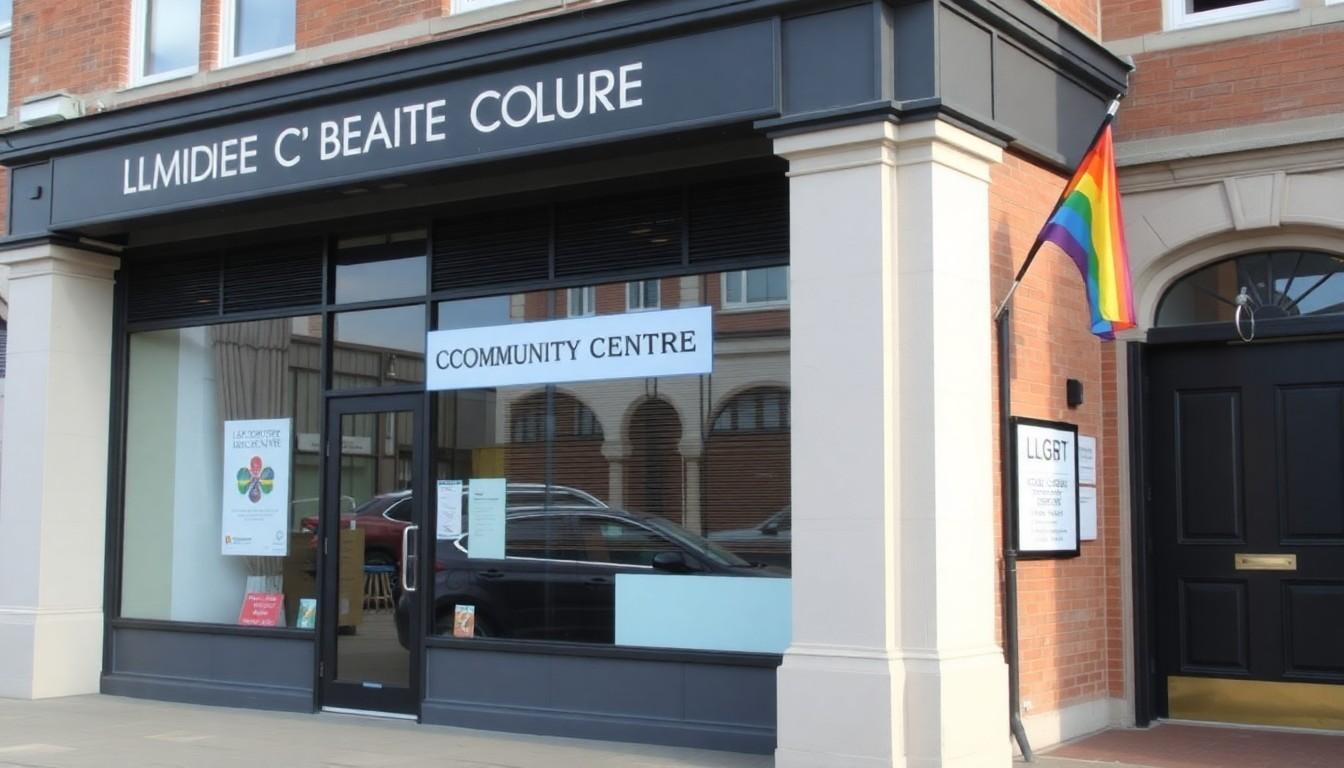
Consider this your quick compass , choosing between a Partial Hospitalization Program (PHP) and an Intensive Outpatient Program (IOP) matters more than hours and appointments for LGBTQ+ adults; it’s about finding treatment that understands minority stress, gender-affirming needs and real-life safety while fitting work, family and finances.
Essential Takeaways
- Core difference: PHP offers full-day, high-intensity care (about 25–35 hours weekly), while IOP gives lighter, flexible treatment (roughly 9–15 hours weekly).
- Identity-affirming care matters: Programs that integrate queer-specific trauma, coming-out stress and gender dysphoria reduce dropout and support lasting recovery.
- Practical scheduling: Choose PHP for immersive stabilisation; pick IOP if you need evenings or telehealth to keep a job, studies or family life.
- Cost and coverage: PHP usually costs more and needs broader insurance authorisation; IOP is generally cheaper and easier to extend long term.
- Red flags: If safety, daily functioning or repeated relapses are issues, a PHP or inpatient stay is the safer choice.
Why the hours alone don’t tell the whole story
The headline difference between PHP and IOP feels tidy , full-day versus part-time , but there’s texture beneath those numbers that matters. For many LGBTQ+ adults the stressors that feed anxiety, depression and substance use are social and ongoing: microaggressions at work, family rejection, or daily gender dysphoria. That lived reality changes what “intensity” should look like.
According to addiction-care specialists, PHP mimics a hospital routine and provides medical monitoring and structure that some people need to stabilise. IOP, by contrast, focuses on applying coping skills in the real world. Think of PHP as a protective bootcamp and IOP as a coached return to normal life; which one you pick affects not just hours, but whether identity-related triggers are addressed in treatment.
What identity-affirming programmes actually do differently
Not every clinic automatically gets queer-specific care, and the difference is palpable. Identity-affirming programmes weave discussions of minority stress, family rejection, and gender-affirming healthcare into group sessions, individual therapy and relapse-prevention planning. That means therapists who use the right language, peers who share similar experiences, and clinical pathways that anticipate trans-related medical needs.
Industry resources and advocacy groups have been pressing providers to make these adaptations because programmes that ignore identity factors see higher dropout rates. If you’re searching, ask whether a programme offers LGBTQ+ groups, staff training in gender-affirming care, and links to local queer support networks , real practical checks that will shape your recovery.
Choosing by schedule: how to match care to your life
If you need an immersive reset , perhaps you’re medically unstable or at high risk of relapse , PHP’s daytime structure delivers concentrated therapy, medication management and close monitoring. You’ll trade day-to-day freedom for stability, which can be the exact thing you need to stop a downward spiral.
If you’re already stable and need to keep a job, study or family routines, an IOP’s evenings, weekend options and telehealth tracks keep care realistic. IOP lets you practise skills in the real world between sessions and get timely feedback during weekly meetings. A good rule: pick PHP when safety and stabilisation are the priority; choose IOP when reintegration and gradual independence are the goal.
Money, insurance and realistic planning
Budget and coverage often steer the decision as much as clinical need. PHP involves more clinician hours and medical oversight, which usually means higher cost and stricter authorisation requirements from insurers. IOP tends to be more affordable and easier to maintain over time, so it’s commonly used as a longer-term step-down.
Before committing, call your insurer, ask about pre-authorisation for PHP, and find out what documentation clinicians will provide for appeals. Many programmes will help with this paperwork , don’t be shy about asking. Also, check whether the provider offers sliding-scale fees, scholarships, or community partnerships that prioritise LGBTQ+ clients.
Red flags: when outpatient flexibility isn’t enough
Certain signs indicate that flexible outpatient care may be unsafe. Clinicians look for things like inability to complete basic self-care, ongoing violent or chaotic housing situations that trigger use, or repeated relapses despite active outpatient work. If any of these apply, a higher level of containment , typically a PHP or inpatient setting , is recommended.
Trust your instincts and the assessments of professionals you respect. It’s better to accept more intensive support for a while than to risk injury or a major setback. And remember: stepping up care isn’t failure, it’s strategy.
Finding the right local fit and what to ask
Look for programmes that explicitly advertise LGBTQ+ competency, offer peer groups for queer clients, and coordinate with gender-affirming medical teams if needed. If you live in a region with fewer specialised services, ask about telehealth options, local support partnerships, and whether the facility will accommodate pronouns and chosen names across records.
When you phone a provider, ask: Do staff have LGBTQ+ training? Are there queer-specific groups? How do you handle gender-affirming medical needs? What are the typical weekly hours and what flexibility exists? Those questions cut through brochure-speak and reveal whether a place will actually feel safe.
It's a small change that can make every step of recovery feel more honest and sustainable.
Source Reference Map
Story idea inspired by: [1]
Sources by paragraph: