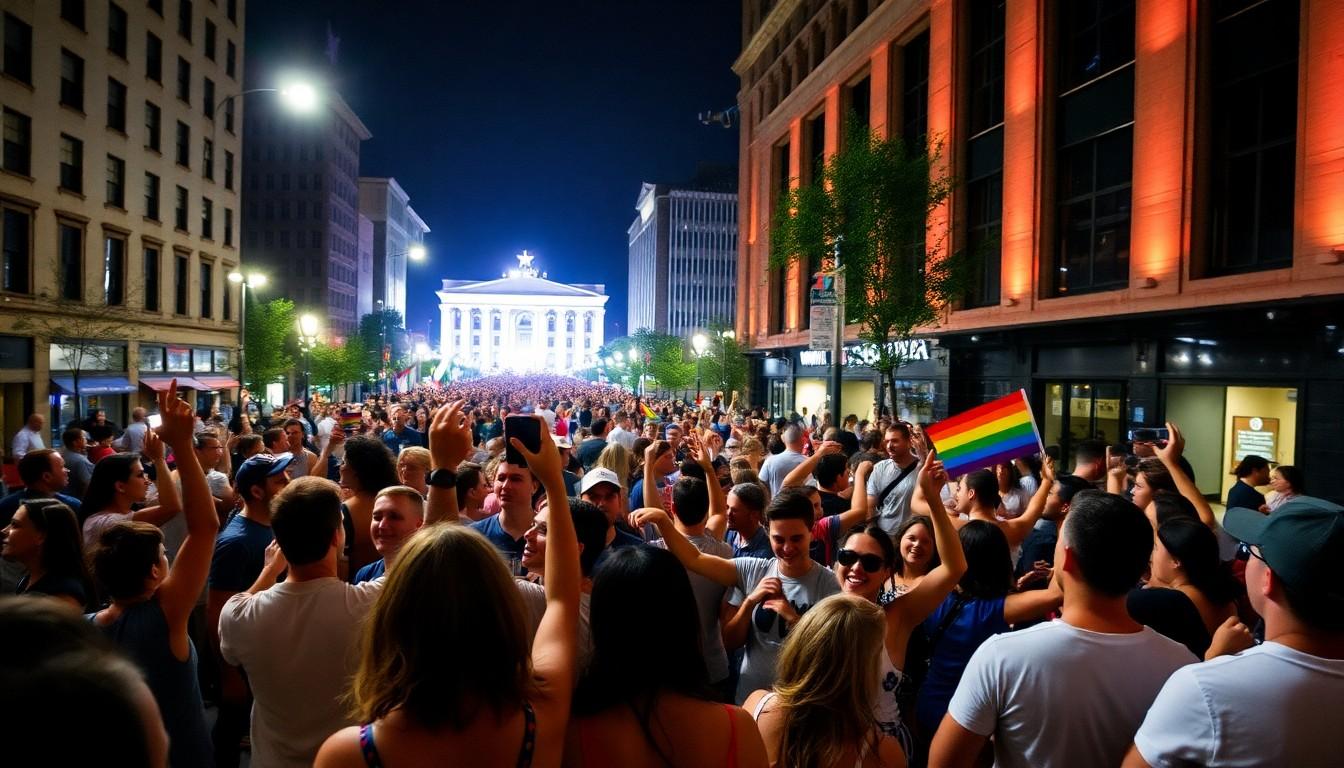
Shoppers, neighbours, and paradegoers poured into 14th Street NW on Saturday, June 20, to celebrate the 51st Capital Pride , colourful, loud, and unabashed. Thousands waved flags, danced on floats, and marched a shortened route that still felt full of history, community, and a few stubbornly joyful surprises.
Essential Takeaways
- Big turnout: Thousands attended the Capital Pride Parade on 14th Street NW, marking the city’s 51st Pride with lively floats, drag performers, and visible trans and gay flags.
- Route change: The parade followed a shortened route this year, ending at Freedom Plaza and cutting about half a mile compared with previous courses.
- Dupont Circle closure: The National Park Service kept Dupont Circle closed with steel fencing over the weekend, citing past vandalism and violence; organisers adjusted plans without major disruption.
- History underfoot: Though the route no longer winds through Dupont, that neighbourhood remains central to DC Pride’s early history and community memory.
- Practical note: Attendees navigated street closures and traffic advisories; organisers and the MPD provided guidance on timing and access.
A louder, brasher 51st , street-level scenes and simple joy
The strongest image from Saturday was human: confetti, feathers, and people who’d clearly been waiting all year to sing out loud. The mood was effervescent and tactile , bubbles drifting over the crowd, sequins catching the afternoon light. According to local coverage, the parade kicked off at 3 p.m. and ran smoothly, with dancers and marchers keeping energy high right to the finish.
Capital Pride has a knack for staging things that feel both familiar and new, and this year was no different. Organisers leaned into pageantry and community groups alike, so you got everything from high-production floats to grassroots contingents whose handmade signs hit home. If you missed it, imagine a steady soundtrack of cheers, pop music, and the occasional megaphone anthem.
Why the route got shorter , and why that matters
This year’s parade ended at Freedom Plaza, a half-mile shorter than recent runs that took marchers farther along the city. The change follows recent reroutes that moved the event away from its older course through Dupont Circle and onto Pennsylvania Avenue ahead of WorldPride. That shift matters because route choices shape who sees the parade and how the city feels that day.
For locals, a shortened route can mean denser crowds and a more concentrated festival vibe; for newcomers, it makes logistics easier , fewer blocks to cover and clearer end points for meeting friends. If you’re planning to attend next year, check registration and route announcements early so you can pick a viewing spot or a staging area that suits your mobility and mood.
Dupont Circle: fenced off, faithful memories intact
The National Park Service kept Dupont Circle closed for the weekend, installing steel fencing and citing past vandalism and violence as reasons. The closure wasn’t reversed this time, even though the parade route doesn’t travel through the circle anymore. That left a visual reminder of how security decisions can change the feel of Pride week in the city.
Longtime residents will tell you Dupont Circle is woven through DC’s queer history: the early Pride events in the 1970s centred there, and landmarks like Lambda Rising once anchored that gayborhood. Even fenced off, Dupont’s history is felt in the chants and the people who still stake out the neighbourhood on parade day. It’s a reminder that public spaces and community rites have complicated relationships with safety, memory, and city management.
Logistics that mattered , traffic, access, and what to pack
City agencies published traffic advisories ahead of time, so many attendees planned around street closures and Metro schedules. With the shorter route and a large turnout, expect crowded sidewalks, slower travel times, and limited nearby parking. Practical tips: arrive early, wear comfortable shoes, carry water, and pick a cellphone meeting point in case your group disperses.
For anyone with accessibility needs, check the Capital Pride Alliance announcements and registration pages for information on viewing areas and support services. Organisers tend to share updates about accessible restrooms, first-aid tents, and mobility-friendly spots as the event approaches.
Looking ahead: what this year signals for Pride in DC
This Pride felt both like a reclaiming of public joy and a negotiation with safety realities. The parade drew big, enthusiastic crowds and adapted to closures without losing spirit. Going forward, expect organisers and city agencies to keep adjusting routes, security plans, and programming in response to both festival scale and community concerns.
If you take anything away, it’s this: Pride in DC remains resilient and inventive, rooted in places like Dupont Circle even when the route moves. That continuity keeps the weekend familiar and alive, while changes make space for fresh voices and approaches.
It's a small change that can make every Pride moment feel both safe and worth celebrating.
Source Reference Map
Story idea inspired by: [1]
Sources by paragraph: