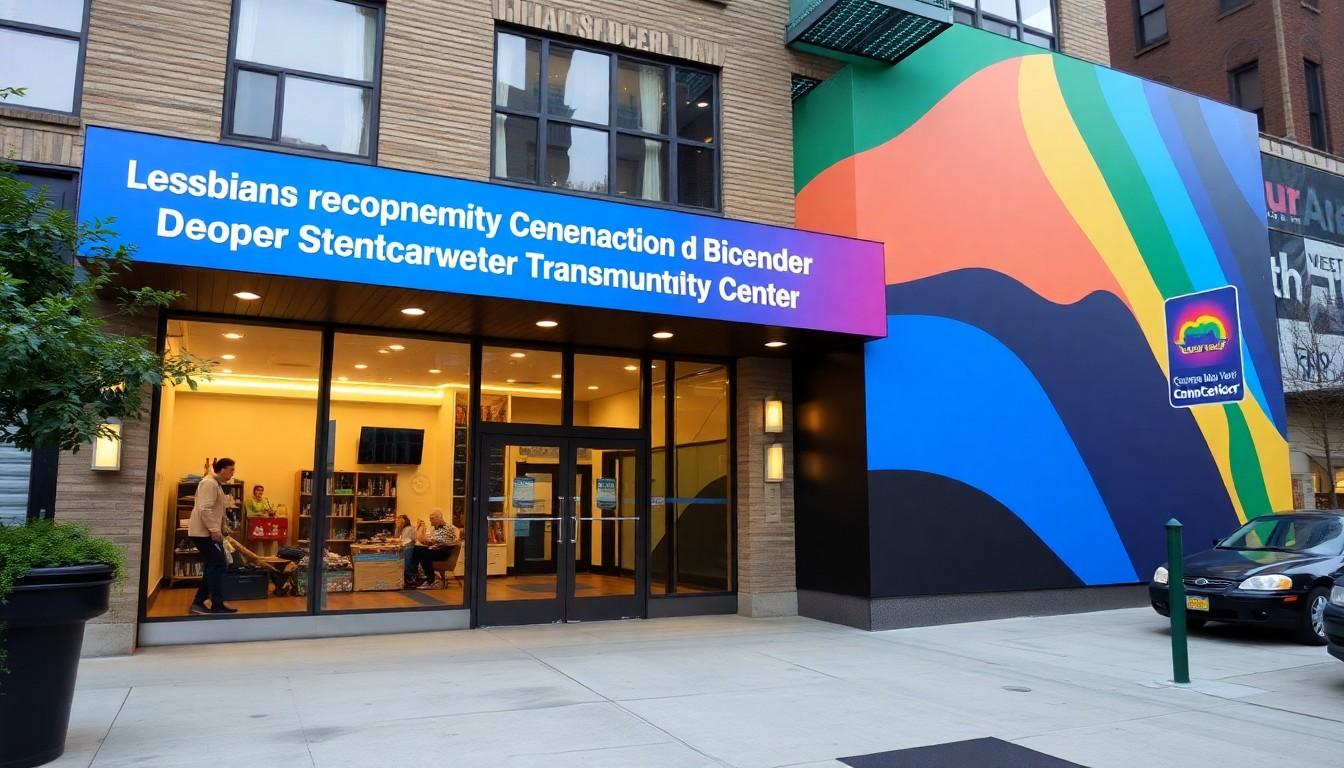
Shoppers of political promises are taking note: Democratic leaders gathered in Greenwich Village to call out Republican Bruce Blakeman’s ties to outspoken anti-LGBTQ figures, saying the alliances matter as Pride events fade and rights face fresh legal threats in 2026. The protest put the debate over marriage, trans sports and civil protections front and centre.
Essential Takeaways
- Public rebuke: Prominent Democrats held a press conference at the LGBT Community Center near Stonewall to criticise Bruce Blakeman’s campaign associations.
- Specific concerns: Speakers cited Blakeman’s appearances with figures linked to proposals limiting same-sex marriage, banning Pride flags or restricting trans participation in women’s sports.
- Campaign defence: Blakeman says he’d protect same-sex marriage in New York and pledged to represent all residents, while opposing trans athletes in female sports.
- Political context: The rally came late in Pride Month as activists warn national and state-level legal shifts could threaten LGBTQ gains.
- Emotional tone: The event mixed anger and resolve , speakers warned rights can erode quickly and called for active civic defence.
Why Democrats chose Stonewall to make their point
They picked the LGBT Community Center steps near Stonewall for a reason: it’s visual and symbolic, and the atmosphere felt almost ceremonial with Pride flags around. That setting sharpened the message , this isn’t abstract policy talk, it’s about a movement that grew here. According to participants, the timing , late June, after month-long Pride visibility , was deliberate, meant to remind voters what’s at stake.
The criticism focused on Blakeman’s decision to share stages with politicians who have publicly advocated rolling back LGBTQ rights or endorsed restrictive laws. Organisers described the pairing as a political signal that matters to voters in New York and beyond.
Which alliances raised alarms , and why they matter
Speakers pointed to specific names and incidents: campaigning alongside figures who have suggested pursuing limits on gay marriage, backing politicians linked to efforts to restrict LGBTQ expression, and aligning with groups flagged for anti-LGBTQ activity. Those examples were used to show pattern, not just isolated events.
That pattern matters because legal and cultural battles over issues like trans athletes, school discussions of sexual orientation, and nondiscrimination protections are active across the country. Activists argued that governors set the tone and can shield or expose communities to risk.
Blakeman’s response: inclusion claim and policy lines
Blakeman issued a written statement saying his oath as governor would be to protect people of every race, religion and lifestyle, and he pledged not to change New York’s same-sex marriage law. Yet he’s also made clear his stance against allowing biological males to compete in girls’ sports, and he has campaigned with high-profile conservatives who back such measures.
That split , promising to uphold marriage while endorsing limits on trans participation in sport , is the gap Democrats hammered at the event. It leaves voters with a choice: weigh a candidate’s words against the company they keep.
Why activists say the stakes feel higher now
Speakers at the event warned that the national climate , from Supreme Court decisions to congressional shifts , means protections can be less secure than they seemed. They argued New York, which helped birth the modern LGBTQ rights movement, needs leaders who will proactively defend gains rather than cosy up to politicians seen as hostile.
The message was practical as well as political: support candidates who back the Equality Act-style protections, oppose bans on Pride displays in public buildings, and resist laws that erase trans kids’ rights in schools and sports.
What voters can do , a short checklist
Look beyond soundbites. Read a candidate’s voting record and who endorses them. Note whether they back explicit nondiscrimination protections, and whether they’ve publicly defended trans and queer communities. Attend local events, ask direct questions, and support organisations that track legislation. It’s small actions , showing up, calling offices, donating , that turn concern into protection.
It's a small change that can make every vote count for rights.
Source Reference Map
Story idea inspired by: [1]
Sources by paragraph: