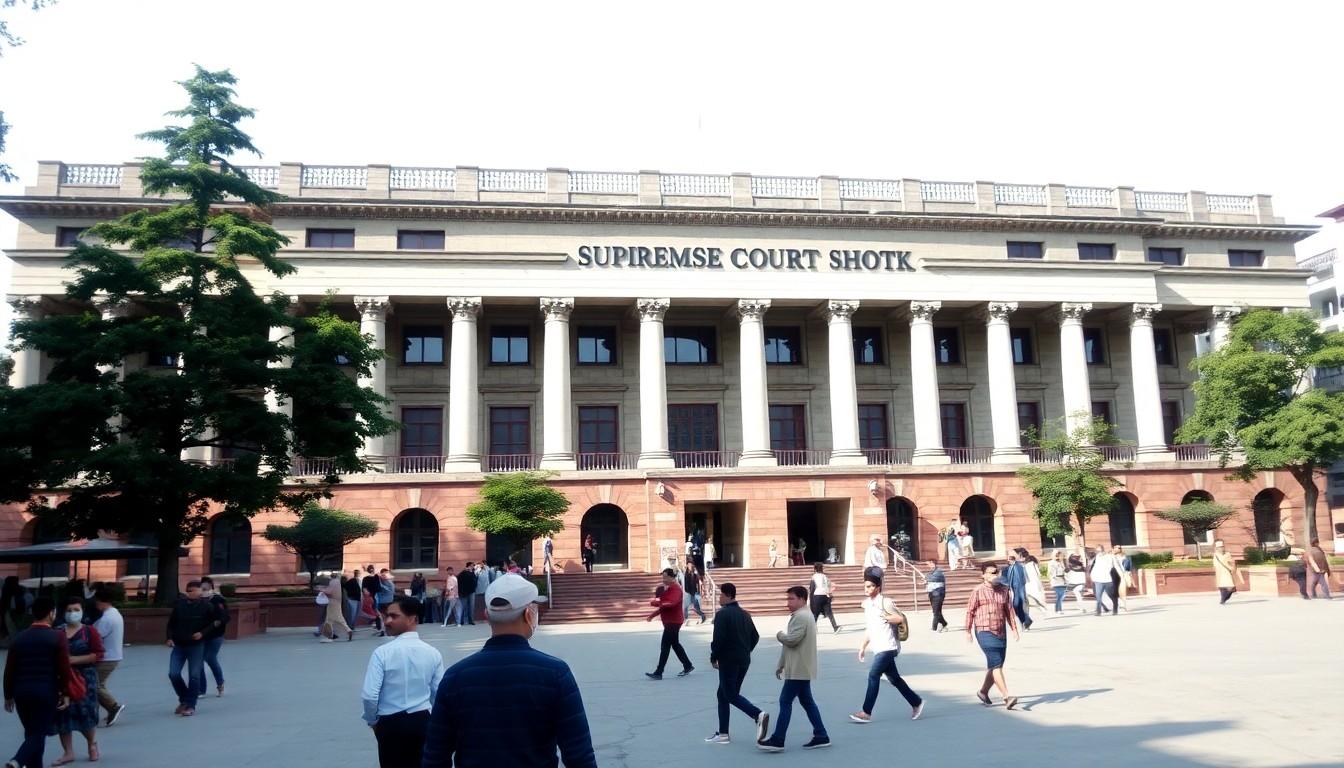
Shoppers are turning to headlines: Nepal’s Supreme Court has delivered a landmark ruling that finally guarantees equal marriage rights for queer and trans people, a major win for families, legal certainty and dignity across the country. Here’s what changed, why it matters, and what comes next for couples and the government.
Essential takeaways
- Historic decision: Nepal’s Supreme Court ordered the government to ensure equal marriage rights for gender and sexual minority couples, making Nepal the 40th country to recognise equal marriage.
- Legal clarity: The ruling builds on interim decisions from 2023 and directs formal registration and protections for same-sex unions.
- Community reaction: Activists and groups such as Pahichan and the Blue Diamond Society hailed the verdict as a milestone for dignity and inclusion.
- Practical impact: Couples can now look forward to clear registration procedures, legal protections, and the end of administrative limbo.
- Next steps: The government must now translate the judgement into rules, registration systems, and guidance for officials.
What the court actually said and why it feels decisive
Nepal’s top court has moved from interim orders to a definitive ruling that equal marriage must be available to queer and trans people, giving the decision a firmer legal footing. The change removes the ambiguity that followed earlier rulings and the temporary register created after activists challenged marriage laws. For anyone who’s lived with uncertainty, the verdict brings a quieter, steadier feeling: official recognition now has backing from the highest judicial authority. According to reporting, the decision also dismissed attempts to block the change, undercutting arguments used against marriage equality.
How this decision fits into Nepal’s recent legal history
This ruling is part of a steady arc. The court first signalled change in 2023 when it ordered the government to register same-sex marriages, after activists challenged the definition of marriage as solely between a man and a woman. Over nearly two decades, earlier Supreme Court cases nudged policy away from exclusion and towards rights-based inclusion. Human-rights advocates and campaigners have used those judgments to press for practical reforms, and today’s ruling cements that trajectory. In short, this isn’t a sudden leap , it’s the next, clearer step in an ongoing legal journey.
What it means day to day for couples and families
Practically, couples should expect a pathway to register marriages with the same legal benefits and protections as opposite-sex couples. That includes matters such as inheritance, spousal rights and recognition in state records. NGOs and activists say this will reduce the everyday stress queer couples face when dealing with officials, hospitals or property transactions. For now, the important tip is to wait for the government’s implementing rules and official registration forms; rushing to local offices without guidance could cause delays. When the new procedures land, couples should consider seeking advice from rights groups to navigate the process smoothly.
Reaction from activists and what they’re asking next
Local organisations and campaigners warmly greeted the ruling as proof that constitutional guarantees of equality work when litigants push for them. Figures quoted by Nepali non-profits described the judgement as providing dignity and protection , language that matters in cultures where social acceptance can lag behind law. Activists now want the government to move quickly to issue regulations, train registry staff, and publicise the new rules so towns and rural offices apply the law consistently. They’re also watching to ensure that the dismissed counter-petitions don’t spawn administrative resistance.
Why this matters regionally and what to watch for
Nepal joins a growing list of nations recognising equal marriage, a development that can ripple regionally where LGBTQ+ rights remain contested. Legal scholars and rights groups will watch how Nepal implements the order: whether laws and forms change promptly, whether local officials comply, and how public services adapt. For international advocates, the ruling is both precedent and encouragement. For couples, the practical measure of success will be a smooth, respectful registration experience without paperwork hurdles or stigma.
It's a small but profound legal change that will make a tangible difference for many families.
Source Reference Map
Story idea inspired by: [1]
Sources by paragraph: