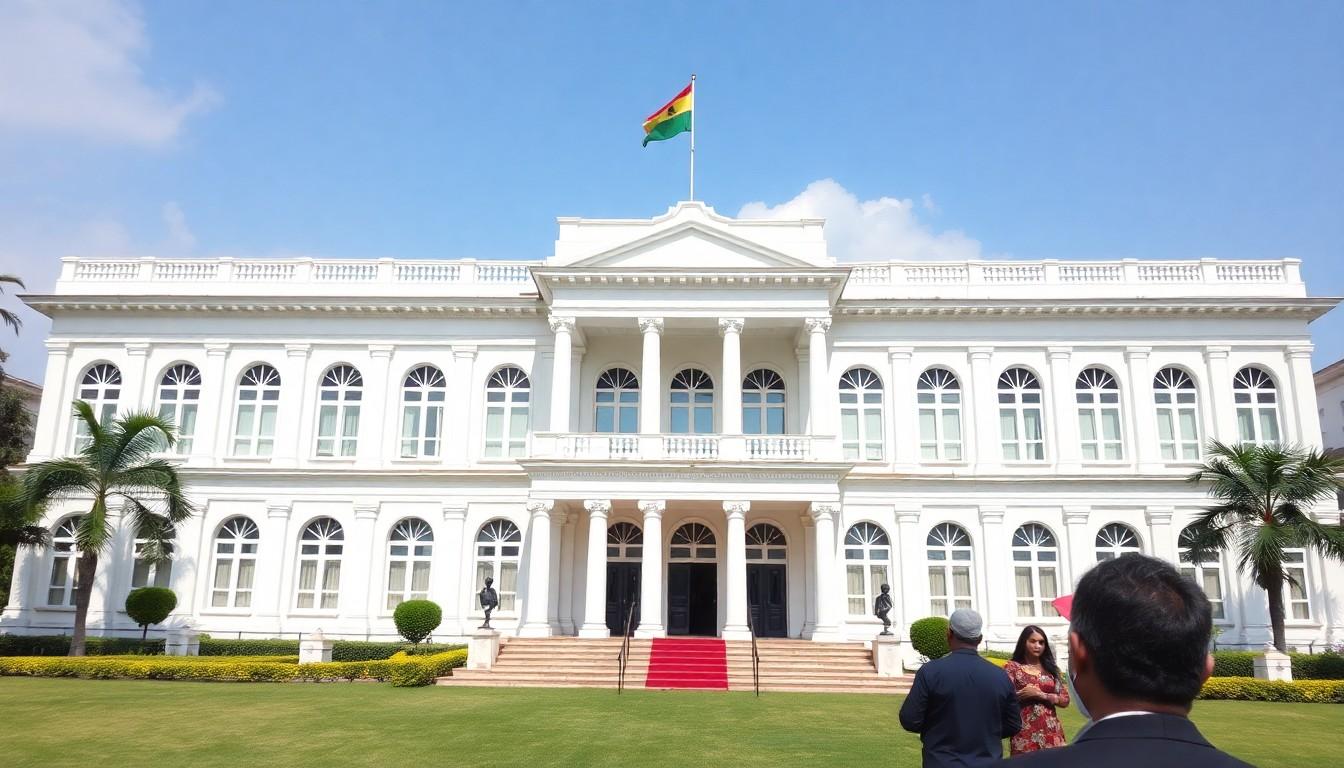
Shoppers of headlines saw Ghana praised at the UN for a landmark resolution on the slave trade, but queer advocates missed a rare leverage point , and that matters because strategic diplomacy, not just moral outrage, can change laws and protect lives. Here’s why the moment mattered and what could come next.
Essential Takeaways
- Historic UN win: Ghana led a UN resolution declaring the transatlantic slave trade the “gravest crime against humanity,” a rare diplomatic spotlight with moral weight.
- Missed leverage: Activists had an opening to tie Ghana’s international prestige to its domestic anti-LGBTQ+ bill, but coordinated strategic action was limited.
- Tactics over unity: The current advocacy playbook leans on public outrage and press statements, lacking diversified strategies like economic pressure or targeted diplomacy.
- Precedents exist: South African anti-apartheid and Egyptian human-rights campaigns show how international pressure can force political concessions.
- Practical next steps: Split tactics, engage diplomats quickly, and use narrative contradictions to sway allies and expose hypocrisy.
A glittering UN moment , and the quiet that followed
When Ghana steered a UN vote that labelled the slave trade the “gravest crime against humanity,” it basked in global approval and moral authority, a scene that felt almost cinematic. The resolution put Accra in a position of international leadership, and you could almost hear the applause in diplomatic circles. According to UN reporting, the move brought attention to reparatory justice and offered Ghana leverage in foreign relations. But within hours, queer advocates had a unique chance to pivot that spotlight into pressure on the domestic stage , and largely didn’t.
Why that was a rare window of influence
History and recent reporting show governments care about reputation, especially after high-profile UN wins. Human Rights Watch detailed how the resolution drew global headlines and diplomatic focus, which made Accra unusually sensitive to international opinion. That sensitivity creates bargaining space: if a government wants global kudos, pointing out a glaring domestic contradiction can be potent. Instead, the queer movement in Ghana mostly issued familiar statements, which woke no new allies and left the government’s narrative intact.
The problem with one-size-fits-all advocacy
There’s a kind of groupthink in play: everyone issues the same press release, marches in the same protest, and appeals to the same Western embassies. That unity feels good, but it’s tactically limiting. Good campaigners vary their plays , some pressure economically, some litigate, others cultivate religious or political allies. The reintroduced anti-LGBTQ+ bill shows why variety matters: it requires different levers , legal, diplomatic and societal , all pulled in concert.
What the movement could have done , and still can
Look to past wins for a blueprint. Anti-apartheid activists used diplomatic isolation; Egyptian civil society leveraged US foreign aid conditions to win concessions. Those are tactical lessons more than moral lectures. Practically, queer advocates could form a small rapid-response team to draft targeted messaging linking Ghana’s UN stance to the bill, brief foreign diplomatic missions, and cultivate institutions and faith leaders uneasy with the contradiction. Timing is everything: a fast, focused intervention when a government is courting prestige can deliver disproportionate effects.
Real-world steps: divide narratives, not communities
Dividing and conquering here doesn’t mean sowing internal discord; it means separating the government from its own favourable story. That can mean naming hypocrisy in diplomatic channels, pushing universities or cultural institutions to reconsider honours or partnerships, or highlighting the economic and reputational risks of alienating international partners. It’s also about accepting asymmetric roles in advocacy , one group plays hardline legal attack, another builds bridges with moderates, another focuses on media and public narrative.
Looking ahead: will strategy catch up to urgency?
The anti-LGBTQ+ bill’s passage underlines an uncomfortable truth: moral argument alone rarely changes law without strategy. The president’s own public minimisation of the bill creates openings for targeted pressure, if advocates can learn to act fast and diversify tactics. If the movement embraces tactical heterogeneity and quick diplomatic outreach, future moments of international attention could be turned into real domestic pressure. If not, history’s lessons will keep repeating.
It's a small pivot , thinking like diplomats, not just protesters , but it could make every campaign far more dangerous to opponents and safer for those it aims to protect.
Source Reference Map
Story idea inspired by: [1]
Sources by paragraph: