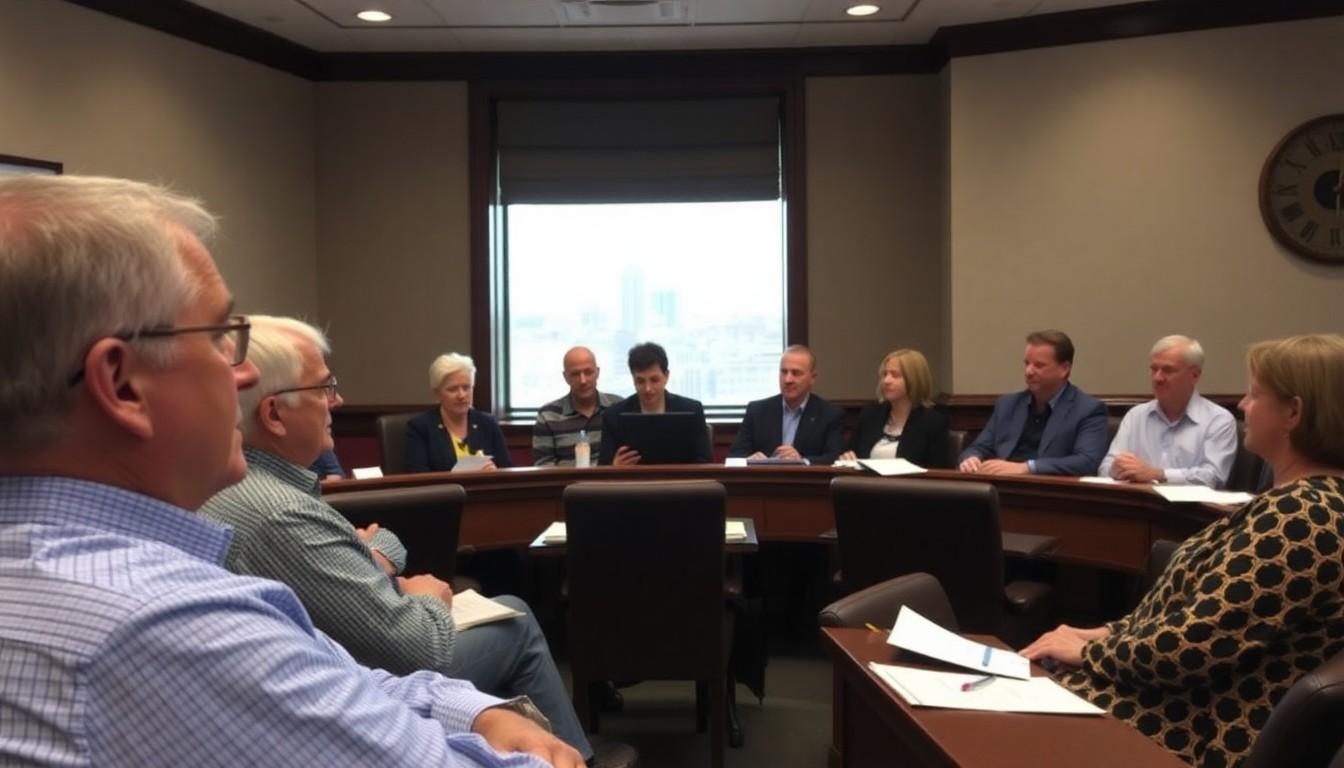
Shoppers and neighbours alike noticed a quiet but powerful gesture: Newton’s City Council and Mayor co‑docketed a unanimous resolution reaffirming the city’s commitment to transgender rights during Pride Month, signalling local support at a time when national debate is intensifying. It matters for families, schools and anyone who wants their community to feel safe.
Essential Takeaways
- Unanimous vote: The City Council passed the resolution without debate, showing broad local political backing and a calm, civic tone.
- Symbolic, not legal: The resolution affirms values and community support but does not change local ordinances or legal codes.
- Community‑driven: Initiated after the Pride Flag ceremony, the measure grew from conversations with families, faith groups and advocacy organisations.
- Local context: Newton’s stance echoes similar city actions across Massachusetts and beyond, where councils have issued protective resolutions and championed access to gender‑affirming care.
- Visible, warm response: Officials described a peaceful, joyous Pride ceremony and emphasised the emotional reassurance the resolution offers to transgender and gender‑diverse residents.
Why Newton’s quiet vote feels loud locally
Newton’s resolution landed softly but clearly: a unanimous, no‑debate passage that’s more about heart than law. You could almost feel the Pride Flag ceremony’s upbeat vibe spill into council chambers, giving the text of the resolution a human, comforting edge. According to reporting from local outlets, the measure was co‑docketed by Mayor Laredo and Councilor Cyrus Dahmubed, who said it followed direct appeals from families worried about national rollbacks. This wasn’t a policy fight so much as a civic embrace. For residents who’ve watched federal and state debates unfold, a city‑level affirmation is meaningful even if it’s symbolic. It signals to schools, workplaces and neighbours that Newton wants people to feel safe and welcome. If you’re wondering whether this changes rules at your child’s school or workplace, the short answer is no , but it does create a public record of local priorities, which can shape future decisions and soften the social climate.
How community voices shaped the decision
Councilor Dahmubed told reporters the idea came after conversations with families and community groups at the Pride ceremony, illustrating how local democracy often begins with ordinary people speaking up. This route , community input leading to a public reaffirmation , is familiar in other towns too. Municipal resolutions frequently start at grassroots events and meetings, then move to formal chambers where leaders endorse them. That bottom‑up process matters because it builds legitimacy. People who felt anxious about national policy shifts got to see their concerns acknowledged in an official forum, which can be a tangible comfort. If you’d like to replicate this model where you live, start by attending a civic event, connecting with sympathetic councillors and asking for time on a committee agenda , small civic steps can produce visible local change.
Newton in a broader trend of city‑level protections
Newton’s move sits alongside similar local actions across Massachusetts and the US. Cities from Waltham and Easthampton to Burlington and Santa Monica have passed resolutions supporting transgender and gender‑diverse residents, often tying the decisions to protections around health care and education. Boston’s municipal leaders have also been vocal about safeguarding gender‑affirming healthcare access, showing a regional pattern of cities filling gaps when state or federal policy feels uncertain. These municipal statements don’t replace policy work at higher levels, but they create a patchwork of local safe havens that can influence employers, schools and health providers. For families weighing where to live or work, a city’s public stance on inclusion is now part of the practical checklist , alongside schools, transport and parks.
What the resolution actually means for everyday life
Because the Newton resolution is declaratory, it won’t immediately alter school rules or medical services. But declarations like this reshape social norms: teachers, coaches and business owners know where the council stands, and that can affect everyday interactions. Officials emphasised the emotional lift such a statement gives people who already live here and those considering a move to Newton. A welcoming city message can reduce stress for transgender and nonbinary residents and improve community cohesion. Practical tip: if you want concrete protections, look at local school district policies, municipal non‑discrimination ordinances and state laws about gender‑affirming care. Resolutions are a good start, but they’re most powerful when paired with policy action. Longer term, repeated affirmations from towns and cities can make it politically easier for broader legislative protections to follow.
So, what happens next?
Expect more community engagement and possibly follow‑up measures focusing on implementation in schools, workplaces and health services. City leaders said this resolution is about feelings of safety and belonging , but many activists will press for matching policies. Newton’s action is also a reminder that local councils can be a frontline for social reassurance when national debates feel polarising and distant. If you care about this issue, the most useful next step is to stay involved: attend council meetings, join local advocacy groups and keep conversations practical and community‑focused.
It’s a small change that can make every neighbourhood feel a little safer and more welcoming.
Source Reference Map
Story idea inspired by: [1]
Sources by paragraph: