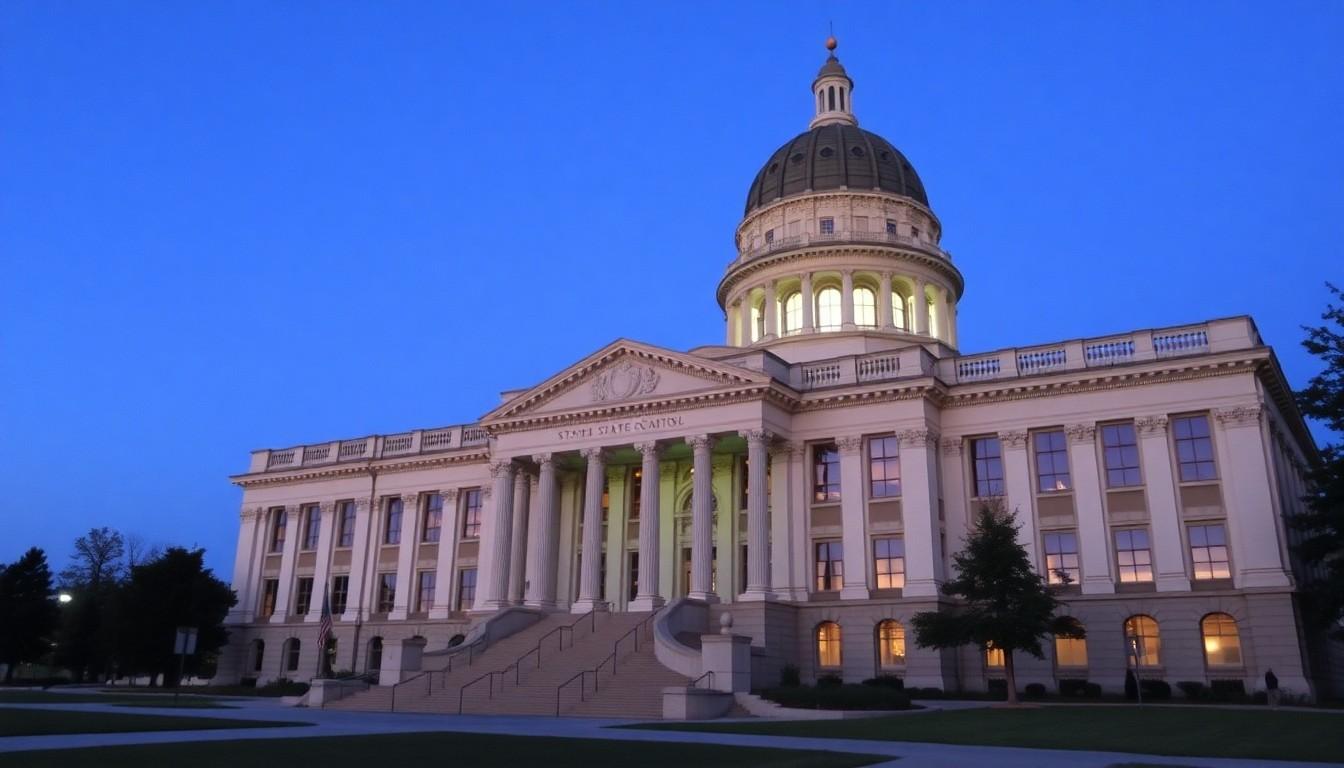
Watching several Republican governors rename June has sparked a fresh debate about visibility, values and who gets to shape public rituals , here’s what happened, why it matters, and how communities are responding.
Essential Takeaways
- Who’s involved: Half a dozen Republican governors in states such as Tennessee, Indiana, Alabama, Nebraska, Arkansas and Utah issued proclamations giving June alternative names.
- What they said: Labels include “Nuclear Family Month,” “Strong Families Month,” “Marriage and Family Month” and “Fidelity Month,” often invoking “God’s design” or traditional family language.
- Legal weight: These proclamations are symbolic public statements, not laws, but they signal official priorities and public messaging.
- Community impact: LGBTQ+ groups call the moves erasure and point to real mental-health harms that Pride visibility helps address.
- Tone and response: Some officials framed the actions as celebrating families; critics see them as counter-programming to Pride and politically charged signalling.
What governors actually did , the plain facts
Several governors issued formal proclamations or resolutions declaring June something other than Pride Month, and they did it in different tones. Tennessee’s Republican legislature passed a resolution naming June “Nuclear Family Month,” defining that family as one husband, one wife, and children, and invoking religious language. Indiana’s governor used very similar wording; Nebraska’s governor framed June as “Marriage and Family Month,” and Alabama’s proclamation emphasised fathers as heads of household. Arkansas and Utah chose “Fidelity Month,” a phrase tied to conservative legal networks. These are public statements meant to reflect what officials want to promote, not new law.
Why the timing matters , symbols, ceremonies and contesting public space
June has been widely recognised as Pride Month, a time of parades and community events that spotlight LGBTQ+ history and issues. Rebranding efforts aren’t just semantics; they’re rival claims about which narratives get centre stage in a public month. Reporters from PBS and the Los Angeles Times noted that some governors avoided explicitly naming Pride in their proclamations, but the political message is clear: this is an attempt to put a competing story about family values where Pride usually stands. For many queer people and allies that feels threatening rather than celebratory.
How advocates and experts are responding , concern, context and data
LGBTQ+ advocates have described the proclamations as erasure, and mental-health data underlines why visibility matters. Organisations that support queer youth point to high rates of persistent sadness and suicide attempts among LGBTQ+ teenagers; advocates say Pride activities provide crucial resources and community connection. Coverage in The Washington Post and The Guardian highlights both the anger and the fear in affected communities, and the way local groups are mobilising public statements and events to keep Pride visible despite the counter-messaging.
Political spins and mixed messages , from “counter-programming” to changed positions
Not every governor has been consistent. Utah’s governor, for example, had previously declared June Pride Month in earlier years but chose a different approach this year, drawing particular scrutiny. Some officials and aides present their proclamations as inclusive or non-exclusionary; Indiana’s governor said he didn’t intend to send a message against other families. Yet social posts and rhetoric from certain elected officials have been more explicit, and some used imagery or language that framed the announcements as a direct pushback to Pride. Journalists at NBC New York and KETV reported on how social-media posts by politicians amplified the message as “take back the rainbow” or similar slogans.
What this means for local events and everyday people , practical effects to watch
Because proclamations don’t change law, municipal Pride parades, school supports and community services can and do continue. But official signalling matters: it can affect local funding decisions, the friendliness of civic spaces, and the willingness of institutions to host or sponsor Pride activities. If you’re organising or attending events, check local announcements and keep an eye on school and nonprofit guidance. For parents and allies, practical steps include supporting LGBTQ+ youth services, attending community events, and making sure young people have safe spaces and trusted adults.
It's a small but loud tug-of-war over June; keep an eye on how local communities choose to respond.
Source Reference Map
Story idea inspired by: [1]
Sources by paragraph: