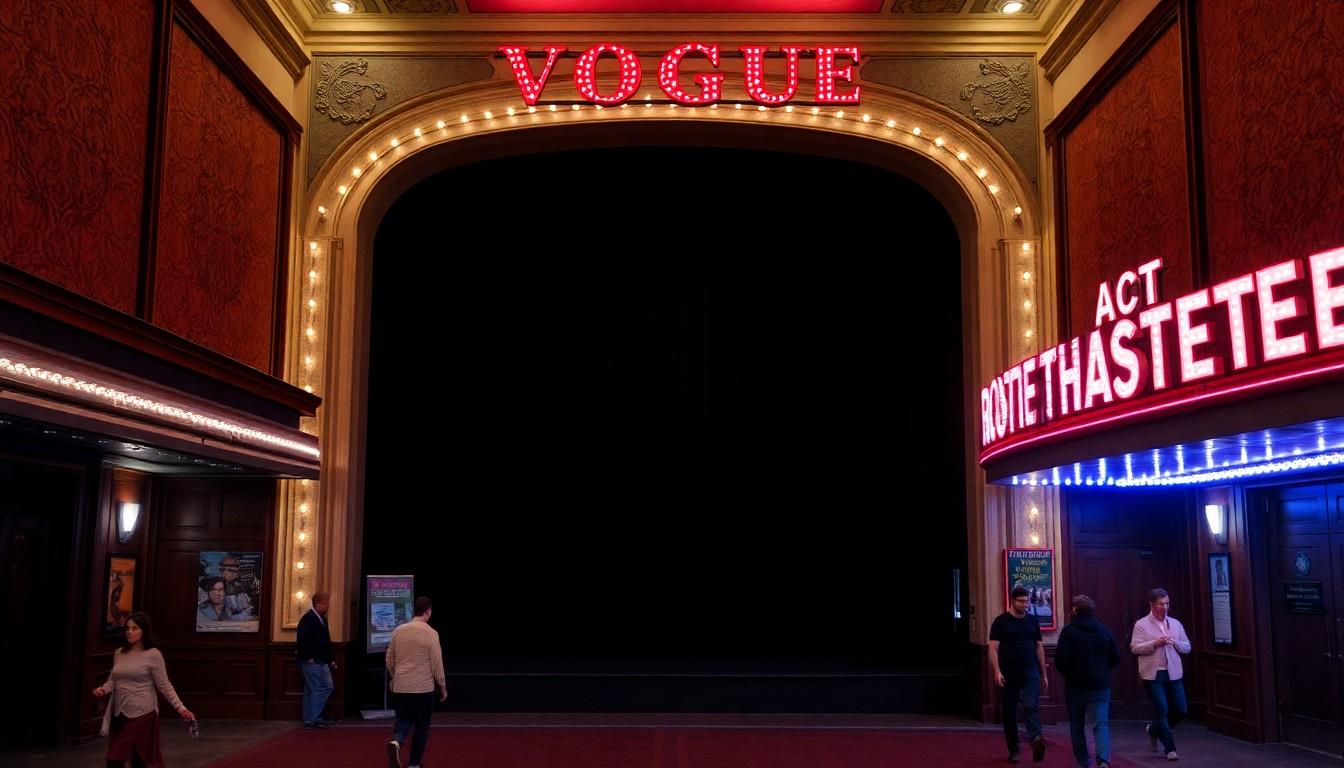
Shoppers and cinephiles are flocking to Frameline50’s final programme, expect stunning documentaries, sly comedies, aching dramas and buoyant queer romcoms that matter. From a Montreal love letter to a punk-rock confession, here’s what to see, why it lands, and how to pick films that’ll stick with you.
Essential Takeaways
- Standout performances: Joan Chen, Barry Ward and Tammy Blanchard deliver magnetic, vulnerable turns that anchor otherwise modest productions.
- Documentary variety: From intimate music biographies to probing lives of vanished sports stars, the docs are vivid, emotional and sometimes revelatory.
- Tonal range: You’ll find melancholic queer coming-of-age drama, campy satirical melodrama, and joyous activist celebration all in one festival run.
- Sensory cues: Expect evocative settings, the chilly, filmic streets of Montreal, blustery Welsh coasts, and the electric humour of Dolores Park, each film feels lived-in.
- Practical pick: If you want narrative closure, avoid the deliberately ambiguous endings; if you crave texture, choose experimental or documentary features.
Montreal, My Beautiful: A tender, melancholic coming-out story
This film is a love letter to the city and to the slow, thorny business of changing your life in midlife. Joan Chen plays Feng Xia, a woman in her fifties caught between duty, menopause and a yearning she’s never acted upon. The cinematography feels almost tactile, snow, neon and subway light, that gives the film a distinct, melancholic mood.
The story grew from immigrant pressures and family dynamics: a husband underemployed, children fluent in the language of their new home, and a mother learning French while reassessing her life. It’s a quiet film about big shifts, and Chen’s performance makes the quiet count. If you’re choosing a film for emotional depth and a city-as-character vibe, this one’s for you.
The Last Guest of the Holloway Motel: An enigmatic sports exile
This investigative documentary follows Tony Powell, a former Norwich City footballer who disappeared from public life four decades ago and re-emerged running a motel on old Route 66. It’s part detective story, part character study, Powell is prickly, guarded and occasionally candid.
Directors weave archival footage with present-day searches, hinting at the corrosive effect of secrecy in a sport that punished difference. The film doesn’t answer every question, and some viewers will wish the filmmakers pressed harder on certain truths, but it’s a worthwhile portrait of how fame, fear and identity can collide. Watch it if you like real-life mysteries that leave a few truths to sit with you afterwards.
Test: Bodybuilding, guilt and a brutal ambition
This is a grim, unvarnished look at amateur bodybuilding and the price paid for perfection. Brock Yurich’s Eddie is disciplined to the point of self-harm, steered by a devout, manipulative mother and entangled in secret sex work and steroid use. Tammy Blanchard’s turn as the mother is especially striking.
The film foregrounds the physical, sweat, muscle, exhaustion, while plumbing questions about masculinity, faith and repression. It’s not an easy watch, but it’s effective if you’re curious about subcultures where appearance becomes identity. Pick it when you want intensity and an unflinching take on ambition.
Antidiva: The Carole Pope Confessions , a queer music trailblazer
This documentary sings with the electric history of Carole Pope, Rough Trade’s frontwoman and an early, confrontational queer rock icon. It’s raw, energetic and at times gleeful about scandal, songs like “High School Confidential” hit in ways that still ripple today.
Through interviews with artists like kd lang and Peaches, the film maps how one daring performer opened doors for later generations. If you love music docs with theatricality and cultural punch, this one’s a find, packed with archival highs and candid reflections about fame, sex and creativity.
Maddie’s Secret: Camp, pathos and social media satire
John Early’s film plays with drag, satire and sincere drama to skewer influencer culture and eating disorders simultaneously. Early’s performance is both ridiculous and tender, and the film walks a tonal tightrope that mostly pays off.
There are laugh-out-loud sequences, think jazzercise collapse turned darkly comic, yet the film never treats bulimia flippantly. It’s the kind of picture that will split audiences: funny on the surface, painful underneath. Choose this if you like comedy that’s not afraid to be human.
Barbara Forever and Hunky Jesus: Two very different celebrations
Barbara Forever reframes an experimental artist’s life into an immersive, nonlinear documentary that feels like a Hammer film in spirit, layered, daring and unapologetically queer. It’s a must for anyone curious about film history and the genealogy of lesbian cinema.
By contrast, Hunky Jesus is pure festival joy: archival merriment, pole-dancing blasphemy and the Sisters of Perpetual Indulgence in full glorious swing. It’s political and playful, a reminder that protest and parody can be powerful forms of care. Pick Barbara for film scholarship and Hunky Jesus for communal elation.
Picks for different moods , how to choose at Frameline50
Want a tidy narrative with feel-good notes? Opt for the queer romcom drama that keeps the laughter coming. Craving complexity and moral ambiguity? Go for the more melancholic dramas that leave you thinking. Love non-fiction and cultural history? The Pope and Hammer docs will satisfy.
A quick rule: if the film description teases an ambiguous ending, mentally prepare for emotional aftertaste rather than neat closure. Check runtime and content warnings if sensitive topics like eating disorders, steroid use, or past trauma are concerns. And if you can, watch a documentary and a fiction film back to back, the contrast will sharpen both.
Closing line See a few of these films and you’ll leave the festival with new favourites, a tighter shortlist and a handful of scenes you won’t stop thinking about.
Source Reference Map
Story idea inspired by: [1]
Sources by paragraph: