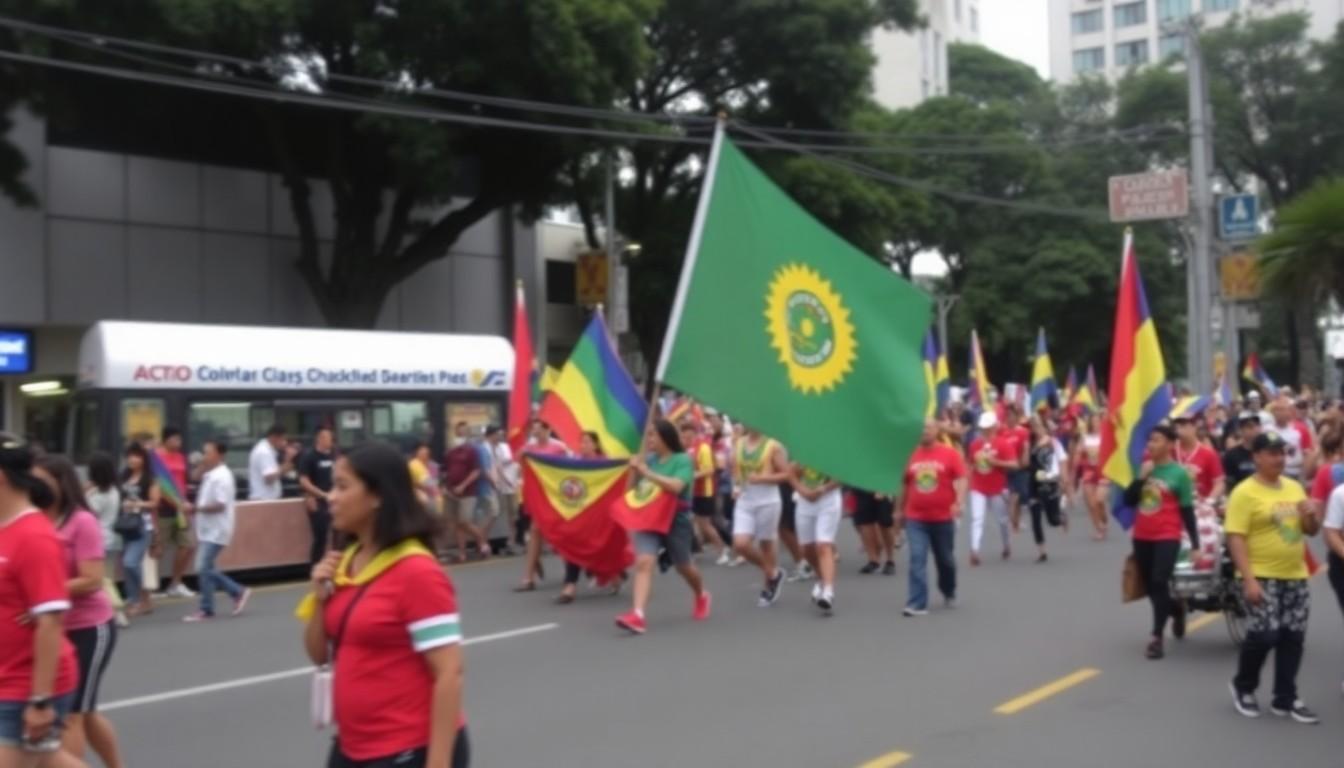
Shouting, dancing and banners filled Roxas Avenue as thousands marched in Davao City’s Duaw Davao Pride Parade , a colourful show of solidarity and a sharp reminder that Pride remains both celebration and protest. Here’s what happened, who spoke up, and why it matters for local rights and inclusion.
Essential Takeaways
- Huge turnout: Organisers estimated about 18,000 people from 138 contingents, creating a lively, packed route from Roxas Avenue to People’s Park.
- Threefold message: Leaders framed Pride around resistance, remembrance and rejoicing , protest, honouring sacrifice, and celebration.
- Mixed aims: Contingents combined performance with advocacy, from anti-discrimination calls to workplace concerns like BPO pay.
- Official stance: City tourism urged keeping event-focused messaging, but many participants reiterated Pride’s roots in protest.
- Community tone: The parade felt joyful yet determined, with vivid costumes, music and signs underlining ongoing fights for equality.
A vivid, joyful protest , and it smelled of street food and defiance
The parade looked and sounded like a festival: bands drumming, rainbow flags snapping, dancers in bright costumes and the warm buzz of a crowd that felt both relaxed and purposeful. According to organisers, roughly 18,000 people turned out, representing everything from barangay groups to corporate contingents. That sensory mix , colour, music and chatter , made the political point less abstract; the city’s streets were literally full of people claiming space and dignity.
The three Rs that kept it grounded: resistance, remembrance, rejoicing
Speakers from the LGBT Davao City Coalition urged attendees not to lose sight of Pride’s roots. They framed this year’s parade around resistance against discrimination, remembrance of past sacrifices, and rejoicing in community gains. Those three themes helped steer the event away from being only a spectacle; instead it felt like a civic moment, a chance to remind the city that acceptance is still a work in progress.
When celebration meets practical demands , BPO workers, pay and local grievances
Not all banners called for abstract rights. Workers from VXI Davao marched with placards about provincial rates and BPO wages, adding a concrete labour-rights dimension to Pride. That combination is increasingly common: modern Pride events often blend identity politics with everyday economic concerns. For locals, that felt logical , fighting for dignity at work is part of living openly and safely in the community.
Official advice versus community conviction: can Pride be apolitical?
City tourism officials asked groups to keep the parade focused on Pride and avoid overt political messaging. Still, many participants argued that Pride is inherently political , a protest that can be colourful, yes, but no less a demand for rights. That friction is familiar in cities worldwide: authorities prefer tidy celebrations, while activists insist on using mass visibility to press for policy change.
Unity matters , and it’s easier said than done
Speakers called for internal solidarity within the LGBTQIA+ community, acknowledging public perceptions of division. That plea resonated across the route: different contingents marched together, but the urge to build a single, louder voice was repeated in speeches and chants. It’s a reminder that momentum grows when groups find common ground, even while they press separate causes.
It's a small change that can make every march feel like progress.
Source Reference Map
Story idea inspired by: [1]
Sources by paragraph: