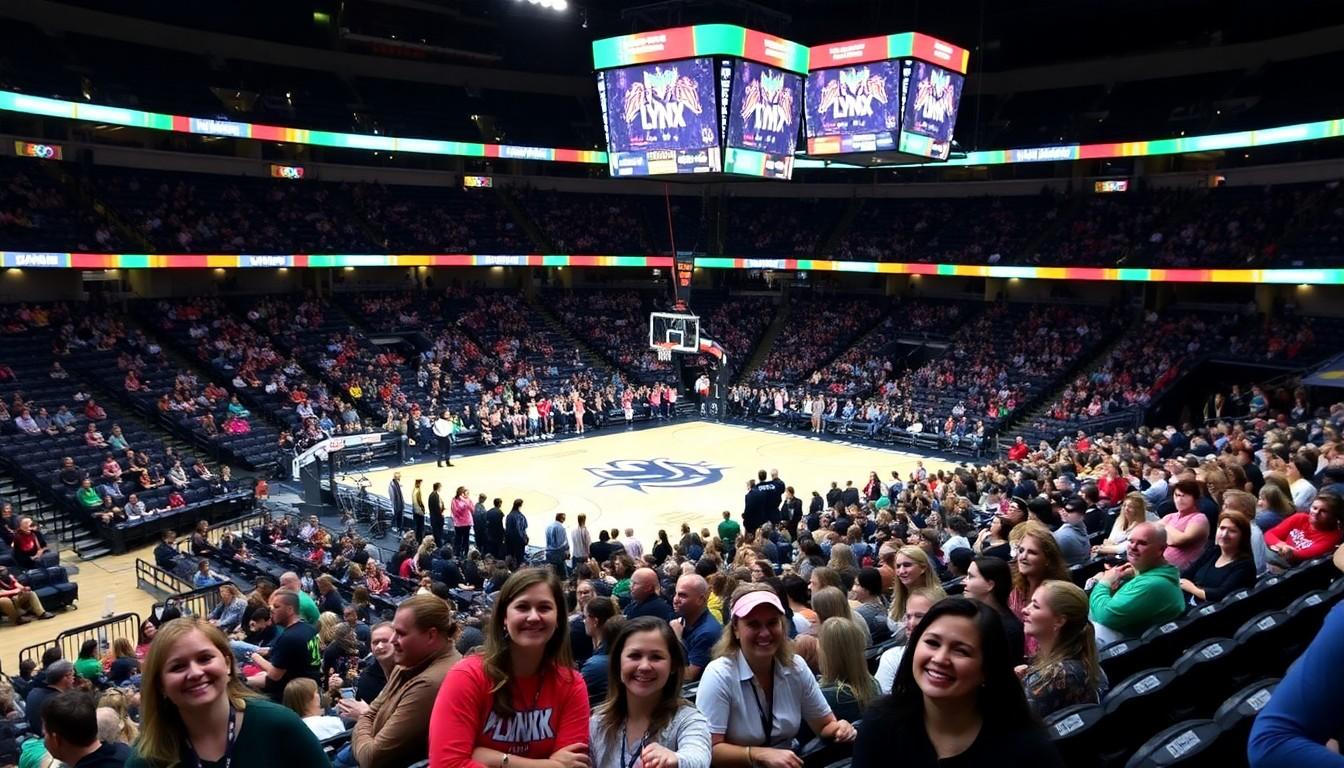
Shocked crowds and quick headlines followed Minnesota Lynx coach Cheryl Reeve’s off‑the‑cuff comment about “doing it for the gays” after a loss on Pride Night, raising fresh questions about how teams, coaches and players navigate identity, fandom and free expression in sport. Here’s what happened, why it matters, and how clubs are managing Pride events across leagues.
Essential Takeaways
- What was said: The Lynx coach joked about disappointing fans who came for Pride Night after a close loss, a line that immediately drew attention.
- Event context: The WNBA has a slate of Pride Night events around the league; the Lynx game drew a near‑sellout crowd of roughly 12,000.
- Broader debate: Similar Pride Nights in baseball and other sports have sparked controversy and principled refusals from some players and teams.
- League response: The WNBA and teams often balance celebration, safety and community relations when planning themed nights.
- Fan impact: Pride Nights are popular with many supporters and create a visible, emotional atmosphere , but they also spotlight tensions over politics in sport.
A remark, a reaction: what unfolded after the Lynx loss
The sharpest moment came in a post‑game exchange when the Lynx coach, faced with questions about a large attendance on a themed night, quipped that the team “should’ve” delivered for the crowd. The line landed as light banter for some and tone‑deaf for others, partly because Pride Nights carry emotional weight for LGBTQ+ supporters. Media outlets quickly carried the soundbite, underscoring how a single comment can become the headline after an intense fixture.
Sports reporters noted the attendance and the feel of the evening , loud, colourful and packed with banners , which only amplified reaction to the remark. For coaches, off‑the‑cuff lines are almost inevitable under post‑game pressure, but they can also become a flashpoint given today’s social media reach.
Why Pride Nights have become a regular part of the schedule
Leagues have been scheduling Pride Nights to signal inclusion and broaden their fan base, and the WNBA has said themed events are part of its community outreach. Teams often sell special merchandise and host guest speakers, creating an uplifting, celebratory atmosphere that many fans enjoy. According to local reporting on other clubs, these nights can be among the most colourful and well‑attended on the calendar.
At the same time, the growing normalisation of identity‑themed events means every comment or incident gets extra scrutiny. That’s why clubs invest in communications planning and why staff and players are briefed about the sensitivities involved.
The wider flashpoints: examples from around baseball and basketball
Other sports have seen stronger pushback. In baseball, a few players and even teams have openly resisted Pride promotions on faith grounds or conscience, sparking forfeits and tense locker‑room conversations. At least one pitcher made headlines for adding a Bible verse near a rainbow motif, framing his actions as a personal statement rather than a rebuke.
And in basketball circles, off‑court remarks or conduct have occasionally led to formal penalties. When coaches or players cross league behavioural lines, organisations like the WNBA have sometimes responded with suspensions or fines, signalling there are enforced standards for conduct and commentary.
How teams plan and respond to themed nights , practical takeaways for fans
If you’re heading to a Pride Night, expect bright visuals, themed merch and a warm crowd , but also packed media attention. Teams generally try to prepare staff and spokespeople for post‑game interviews to avoid missteps, and many clubs have clear guidance about community events. For fans wanting to support inclusivity, arriving early, buying themed gear and engaging with on‑court partners are simple ways to show solidarity.
For those uneasy about the intersection of sport and politics, remember the evening’s primary purpose is the game; clubs aim to create welcoming spaces while still focusing on competition. If controversies do flare, teams usually issue statements, and the league may step in if comments breach conduct policies.
Looking forward: will themed events change how teams communicate?
Expect clubs to tighten media coaching and rehearse messaging ahead of special nights, because even lighthearted remarks can ricochet online. Leagues are balancing community outreach with a diverse fanbase that holds different views, so clearer playbooks for staff and players seem likely. And for most supporters, themed nights remain a welcome part of the calendar , they bring energy, new faces and, sometimes, a reminder that sport reflects society’s debates as well as its joys.
It's a small reminder that a single comment can spark a big conversation, and teams are learning to navigate that space.
Source Reference Map
Story idea inspired by: [1]
Sources by paragraph: