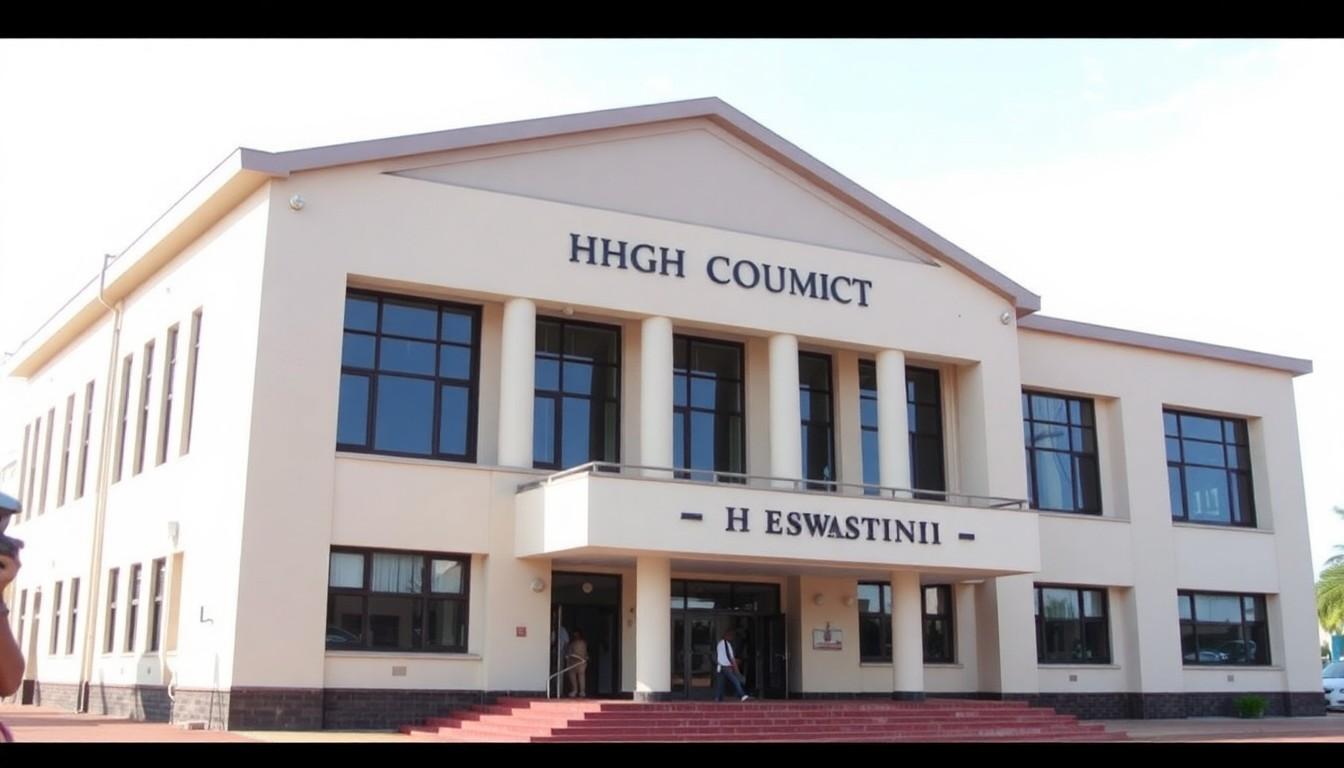
Shoppers, students and activists are watching as Eswatini’s largest cities become courtroom arenas; a small LGBTI group’s bid to register as an NGO has reopened a national debate about civic freedoms, culture and the reach of the constitution , and it matters for anyone who cares about accountability and human rights.
Essential Takeaways
- Landmark background: Eswatini Sexual and Gender Minorities (ESGM) first had its registration refused in 2019 and won a major Supreme Court victory in 2023 that said the registrar’s approach was unconstitutional. It still faces a fresh rejection from the minister.
- Government pushback: Officials including King Mswati III and ministers have publicly criticised LGBTI people, framing dissent as a cultural threat; new NPO laws are tightening civic space.
- Legal principle: Freedom of association is protected by African human rights instruments and courts across the region have recognised that LGBTI groups may register despite social or criminal prohibitions.
- Civic stakes: Denying registration is not just about one group , it limits scrutiny, shrinks civic space and signals a broader repression of dissent.
- Practical reality: Continued litigation can force public debate, shape jurisprudence and incrementally safeguard rights for marginalised communities.
What’s at stake , more than a registration form
The story is deceptively small: an NGO application, a file on a minister’s desk, a decision stamped “refused”. But underneath is the loud, metallic feel of civic space being tested. ESGM’s leaders describe the ritual of preparing court bundles as wearying and necessary, and that emotional fatigue is visible: there’s a quiet resolve that this isn’t a stunt, it’s survival.
According to past reporting by human rights groups, the refusal to register LGBTI organisations is a common tactic to sideline groups that challenge the status quo. When a government chooses who may organise, it chips away at accountability and public oversight.
How the courts have shaped the fight so far
ESGM won a major nod from the Supreme Court in 2023 which criticised the registrar’s initial refusal. Yet after the minister reconsidered and again refused registration in 2024 , citing customary law , the group returned to court in 2025. That cycle shows how litigation can be both progress and grind.
Regional legal organisations note similar victories elsewhere: Botswana judges have confirmed equal rights to form associations regardless of sexual orientation, and Kenya’s courts allowed LGBTI groups to register even where laws still criminalise same-sex conduct. Those precedents matter because they help courts in Eswatini frame the constitutional duty to protect association without discrimination.
The political backdrop , culture, power and laws that bite
It’s no accident the debate spills into national ritual. Public statements from the monarchy and senior officials, and proposals like the 2024 Non-Profit Organisations Bill, create a climate where NGOs face extra hurdles. Human Rights Watch and regional advocates have chronicled how such laws can be used to intimidate civil society and restrict foreign funding or oversight.
For activists, the pressure is immediate: schools where children are expelled, community meetings shut down, and the constant risk that “customary law” will be invoked to deny basic rights. That combination of policy and rhetoric constrains ordinary people’s ability to speak up.
Why freedom of association matters in practical terms
Freedom of association isn’t an abstract luxury; it’s how communities organise to document abuse, deliver health services, and hold officials to account. When a health or human rights NGO can’t register, it struggles to access funding, rent premises or engage partners without fear.
If the court upholds ESGM’s right to register, the practical impact would be tangible: easier access to services for marginalised people, stronger protections for volunteers, and a legal precedent making it harder for ministries to weaponise “culture” against dissenting voices.
What activists and citizens can do , small, useful steps
For those outside Eswatini who want to help, attention matters. Supporting regional litigation funds, amplifying court dates, and pressuring donors to prioritise civic space are simple actions that add up. Inside the country, pragmatic choices , clearer governance for NGOs, careful documentation of refusals, and strategic litigation , keep the momentum going.
Courts are slow, and public opinion is often shaped outside courtrooms. But every judgment that restores a registration is another small brick in the architecture of rights.
It's a small change that can make every association safer and more visible.
Source Reference Map
Story idea inspired by: [1]
Sources by paragraph: