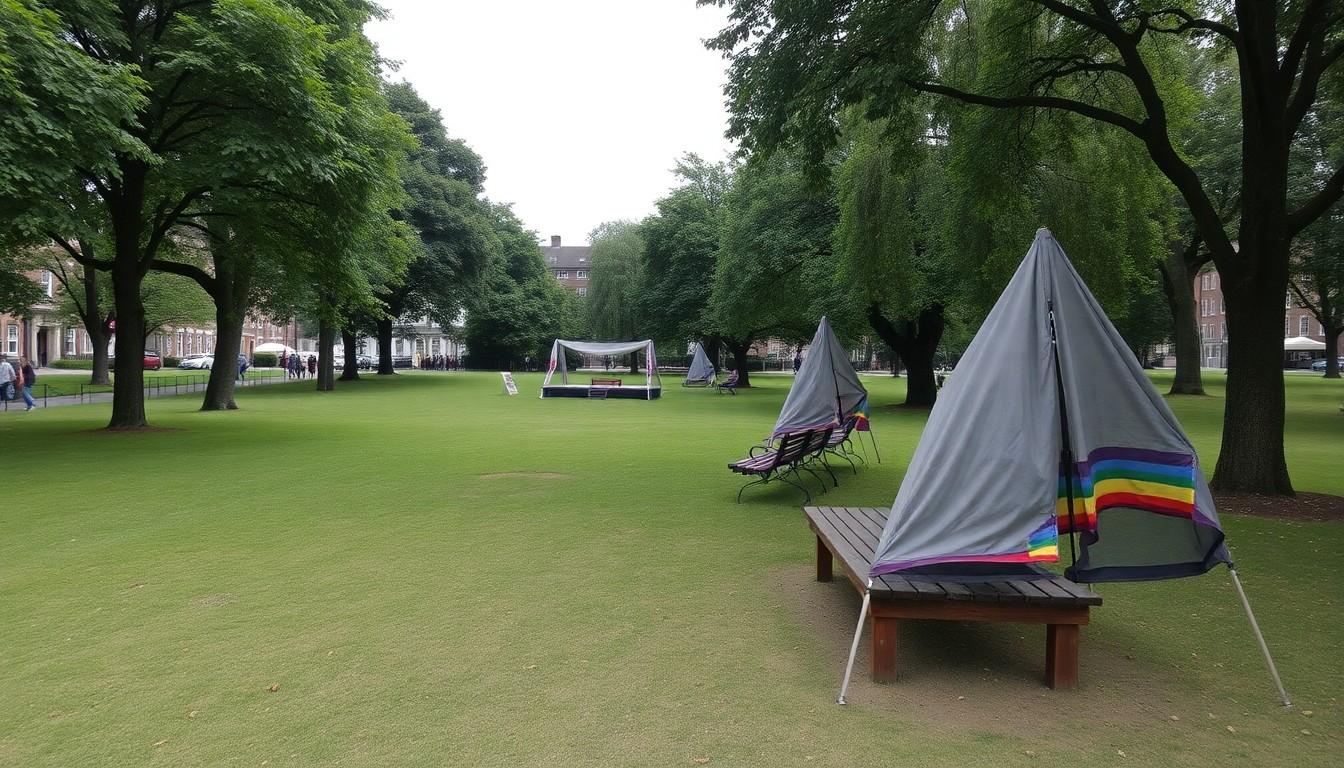
Come celebrate: Stoke-on-Trent Pride marks 20 years with a free, bigger-than-ever festival at Hanley Park, packed with live music, stalls, a funfair and a parade , an open, community-focused day designed to welcome everyone and keep the party accessible.
Essential Takeaways
- Free entry: The festival runs 12pm–6pm at Hanley Park with no ticket fees, though donations are welcome.
- Big line-up: Expect live music, comedy, a full-sized funfair and around 148 stalls for food, crafts and charities.
- Community-first ethos: Organisers prioritise accessibility and inclusion over a commercial model, creating a welcoming atmosphere.
- Local leadership: Carl Gratty, Pride chair and co-owner of Gossip! nightclub, has steered the event’s growth for over a decade.
- Ongoing debates: Recent decisions around Pride displays in county libraries have prompted discussion, but organisers stress continued availability of LGBT resources.
A party that started in a car park and grew into a Hanley Park weekend
Stoke-on-Trent Pride began humbly in 2006 on a Hillcrest Street car park and nudged into Northwood Park the following year before the event truly expanded. The scene today is louder, brighter and more visual , you can almost hear the fairground ferris wheel creak and the chatter of dozens of stallholders in your head. According to organisers, the jump to Hanley Park in 2016 was necessary to fit a full-sized funfair and the growing crowd.
That growth didn’t happen by accident. Volunteers and local businesses gradually pushed the festival from a small local gathering into an established date on the city’s calendar. Visit Staffordshire and the official Pride site both list this year’s Hanley Park line-up and practical details, which helps visitors plan their day.
If you’ve not been before, go early for family-friendly activities and to beat the queues for food and rides. Evening slots tend to fill fast once headline acts take the stage.
Why free and open matters to organisers
Organisers say making the event free is a deliberate choice , it keeps the day inclusive rather than turning Pride into a paid-for spectacle. The chair, who also runs a Hanley nightclub, explains that smaller donation points help keep costs down while keeping the gates open to everyone. That approach has clearly shaped how the festival feels: relaxed, mixed-age, and not given over solely to commercial sponsors.
This model contrasts with some larger Prides that operate on expensive ticketing and VIP areas. If accessibility is a priority for your family or community group, Stoke-on-Trent’s model makes attendance much simpler and more spontaneous.
Practical tip: take small change for donations and stall purchases, and pack a picnic blanket , there’s lots of green space to claim a spot.
What’s on , stalls, performance and a parade to watch
Expect a varied programme: multiple music stages, comedy spots, community stalls, food traders and a parade through the park. Organisers say there will be close to 148 stalls this year, creating a busy market feel as well as places to find local support groups and services. The official event listings and social feeds provide timings so you can pick acts or stalls to prioritise.
For families, the funfair and daytime entertainment make Pride a gentle, colourful outing rather than an adults-only night. For activists and allies, the stalls are a good place to meet local charities, pick up resources and talk to volunteers.
If you’re planning coverage or a stall, register in advance via the Pride website to secure a pitch and confirm set times.
Local leadership and the people who made it happen
Carl Gratty has chaired Stoke-on-Trent Pride for more than ten years and says the festival’s spirit reflects the community he sees in his nightclub and around the city. His story , from steering a modest event to building a “monster” festival , is a reminder that consistent local leadership and volunteer energy can change the tone of a place over time.
That hands-on leadership, supported by a small army of volunteers, is visible on the day: marshals, stage crews, first-aiders and performers all work to keep things flowing. If you want to help, the Pride site lists volunteer roles and contact details.
Hearing organisers describe the tired-but-thrilled feeling before the event gives you a sense of the emotional investment behind the spectacle.
Tensions remain , library displays and equal treatment debates
Recently, Staffordshire County Council removed Pride displays from some libraries, a move that prompted local debate and protest. Organisers point out that LGBT reading materials remain available and frame the decision as part of a wider policy on displays for minority groups. That nuance hasn’t stopped critics from seeing the action as symbolic and, for some, worrying.
Community reaction shows that while acceptance has grown markedly , couples walking hand-in-hand and diverse crowds at Gossip! and Pride are offered as evidence , debates over visibility and equal treatment are far from over. If you care about visibility, consider visiting the stalls and speaking with local advocacy groups to find practical ways to support library provision and awareness initiatives.
Looking ahead, organisers hope the 20th anniversary will reaffirm Pride’s role as both a celebration and a place to keep conversations about rights and visibility alive.
It's a small change that can make every celebration safer and more welcoming.
Source Reference Map
Story idea inspired by: [1]
Sources by paragraph: