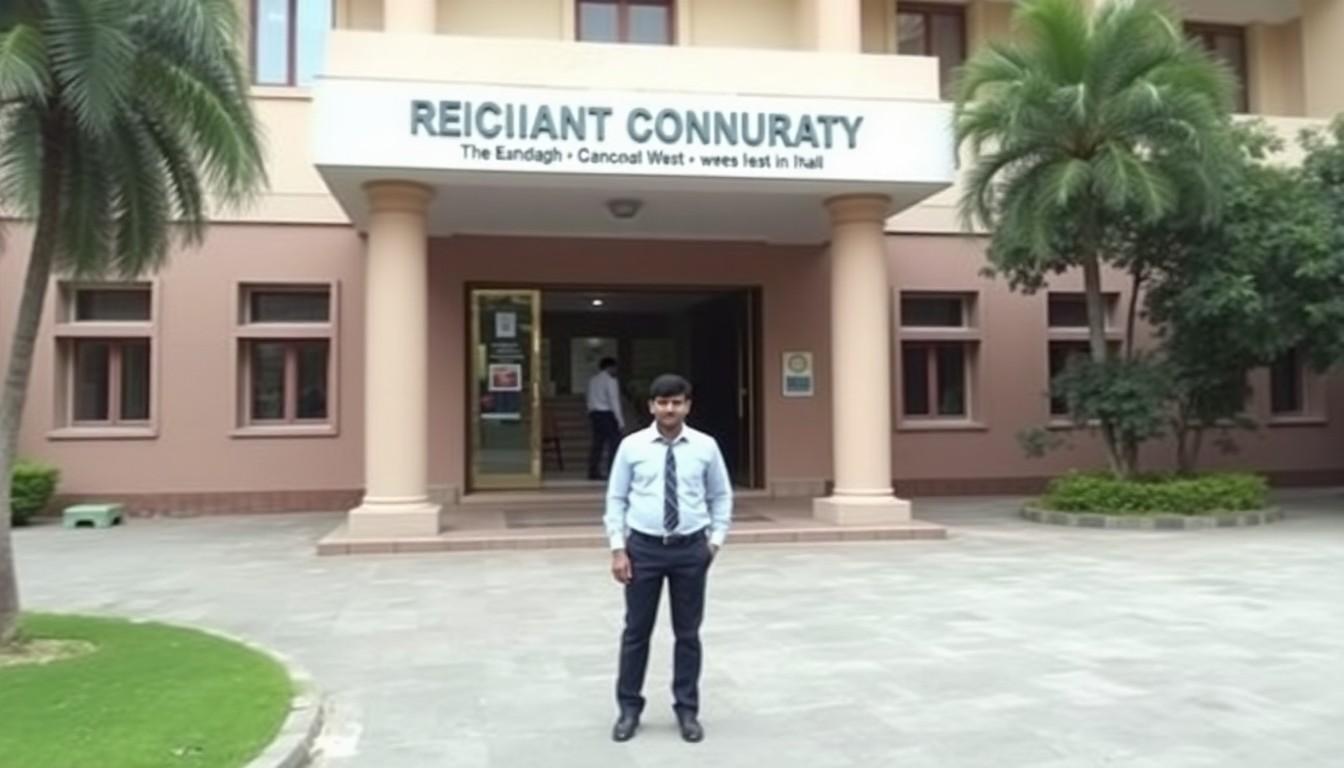
Shoppers and commuters are noticing a quiet shift on Pune streets as transgender women swap signals for security posts, finding steady pay, respect and renewed ambitions thanks to Pune Municipal Corporation jobs that matter. Their uniforms aren't just practical , they're reshaping housing, family ties and future plans.
Essential Takeaways
- New dignity: Transgender staff report being addressed respectfully and treated like salaried workers rather than beggars.
- Stable income: PMC security roles provide financial predictability, easing access to rented homes and basic needs.
- Education revival: Employment has reignited ambitions , from clearing school exams to pursuing law degrees.
- Visibility matters: Uniforms and public-facing roles help change perceptions among neighbours and employers.
- Support network: LGBTQ+ groups and municipal initiatives helped candidates transition into formal work.
A uniform that signals more than duty
The most immediate change isn't a pay cheque, it's how people respond. Several transwomen now in PMC security uniforms say passers-by greet them politely, call them “madam” and treat them like any other employee. That quiet shift in everyday interaction , fewer jeers, more nods , creates a palpable sense of safety and dignity. According to local reporting, this shift follows municipal hires that put transgender persons in visible, steady roles.
This kind of public presence matters because it rewrites first impressions. Where once market stalls and traffic lights were survival zones punctuated by humiliation, a labelled uniform carries a new social shorthand: employed, accountable, respectable. For anyone choosing between short-term informal income and a low-paid formal job, that visible legitimacy can tip the balance.
From signals to security posts: how they got here
Many of the women in these roles came to Pune after being pushed out of homes or schools and surviving on the streets. One woman completed nursing training but still faced hiring barriers; another left an engineering course after bullying and later returned to study law while working; a third hopes to resume secondary schooling now that she has steady work. Local NGOs and employment initiatives helped bridge the gap from begging to municipal employment, making the transition practical rather than symbolic.
Municipal recruitment drives that explicitly hire transgender staff , and place them in public-facing positions such as security or green marshal roles , are part of a small but growing pattern in city administrations. The result is not only jobs but pathways to other opportunities, from corporate positions to professional qualifications.
Practical benefits: housing, family and finances
A salaried job changes how institutions treat you. Landlords who once refused to rent rooms are now willing to sign tenancies when applicants show a steady pay slip. Families that feared social stigma have started to reconsider, and some relationships have repaired. Financial stability also makes studying possible again; where irregular street income made school or college impossible, a regular shift and salary free up time and resources for education.
If you or someone you know is considering this route, practical tips matter: keep payslips and ID documents organised for rental applications, connect with local LGBTQ+ support groups for legal or counselling help, and try to balance shifts with study plans so momentum toward qualifications isn't lost.
Why visibility changes perceptions
There’s a broader cultural effect when transgender people occupy clearly defined civic roles. Working uniforms and official badges reduce the “otherness” that fuels stigma. When residents interact with transgender colleagues during daily routines, assumptions start to dissolve; kids, neighbours and shopkeepers begin to see competence and normality rather than difference. Media coverage of such hires amplifies the point and nudges other organisations to follow suit.
Policy-wise, municipal efforts that combine recruitment with training and workplace sensitisation tend to work better than isolated hires. Employers who offer induction, anti-harassment measures and mentorship increase retention and ensure the job is a real route to social inclusion.
What this means going forward
These stories show employment can be transformational, but they also underline that more systemic work is needed. Educational catch-up programmes, dedicated training for technical roles like driving, and wider hiring across departments would expand options beyond a handful of posts. Meanwhile, local success can spur other municipalities to pilot similar schemes.
For the individuals involved, the change is already concrete: regular shifts, restored aspirations and the chance to be treated like everyone else. That's not a small thing in a city where daily life often depends on how people see you.
It's a small change that can make every day feel a little more secure and a lot more hopeful.
Source Reference Map
Story idea inspired by: [1]
Sources by paragraph: