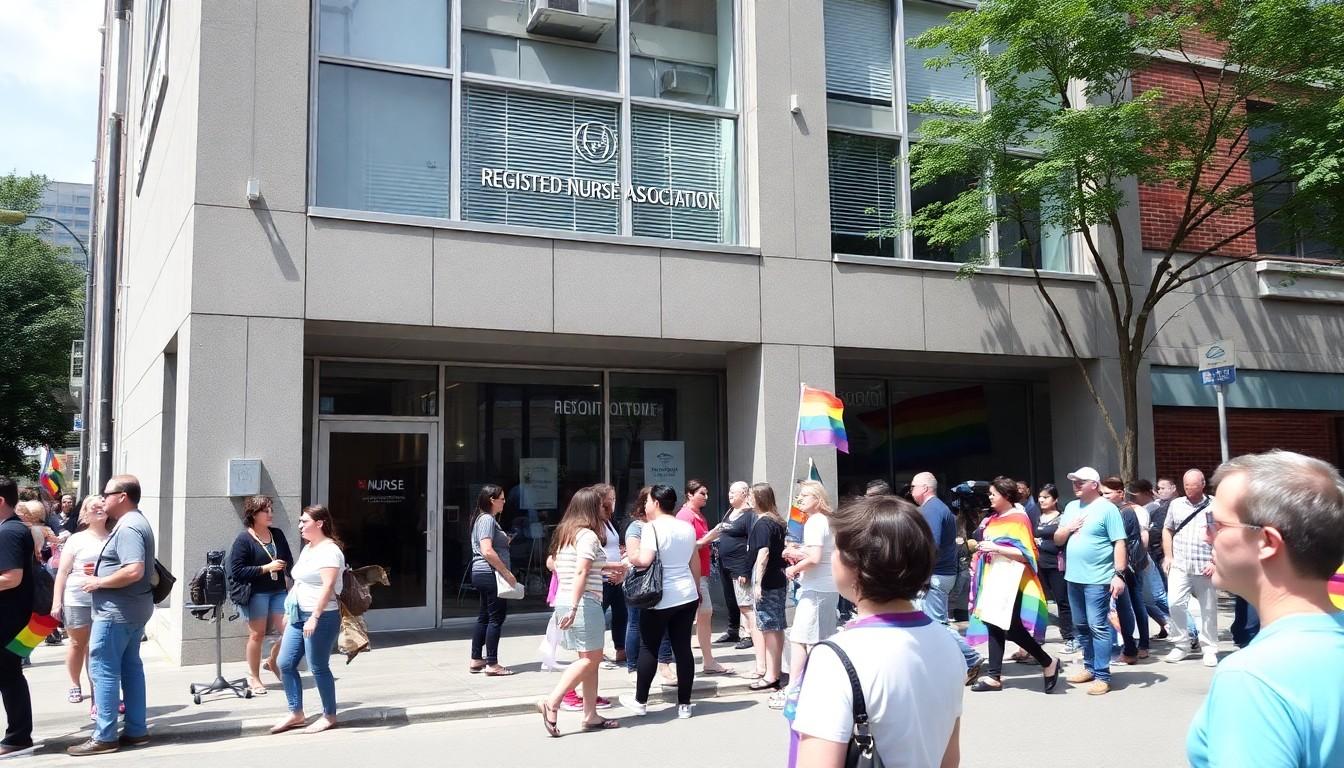
Celebrating Pride with purpose, nurses across Ontario are taking an active role in promoting 2SLGBTQI+ health and inclusion , marching in parades, opening a dedicated collaborative space, and pushing evidence-based guidelines to make care safer and more affirming for everyone.
Essential Takeaways
- Visible support: RNAO members are marching at Pride events this summer in multiple Ontario communities, creating public, affirming presence.
- Everyday commitment: Leaders stress that supporting 2SLGBTQI+ health goes beyond Pride Month into daily practice, education, and advocacy.
- Dedicated space: RNAO opened a 2SLGBTQI+ health collaborative working space to honour community leadership and support ongoing work.
- Evidence-led action: The association promotes guidelines and fact sheets to help nurses deliver barrier-free, inclusive care that feels respectful and calm.
- How to join: Nurses and supporters can register online to march or take part in local chapter events , a simple way to show solidarity.
Nurses turning Pride into a year-round health push
Nurses are not just showing up to parades for photos; they’re bringing a steady, practical focus on care that feels safe and dignified. According to RNAO leaders, Pride is an opportunity to emphasise human rights, belonging and the right of every person to be who they are, and that’s reflected in both public events and quiet workplace changes. The sight of nurses in scrubs and rainbow sashes is deliberate , it sends a clear, calming message to patients and colleagues alike that they’re seen.
RNAO’s president and CEO have said supporting 2SLGBTQI+ health is daily work, not a seasonal slogan. That kind of insistence on continuity matters when people need consistent, affirming care from day to day, not just when festivals roll around. If your local service provider is serious about equity, you’ll notice small but important touches , intake forms that don’t assume gender, visible signage that signals welcome, and staff who use chosen names and pronouns.
A new collaborative space with real symbolism
RNAO recently opened a dedicated 2SLGBTQI+ health collaborative workspace at its office, a move that mixes symbolism with function. The room both honours leadership and provides a practical hub for projects, meetings and training that lift up sexually and gender-diverse communities. For nurses and activists who value environments that feel intentional and inclusive, the space offers a “soft” but powerful reassurance.
This isn’t just décor. The collaborative hub helps the Rainbow Nursing Interest Group and allies plan training, produce resources and coordinate regional outreach. For organisations thinking of copying the model, even a small, clearly labelled space can create the same effect: it signals belonging and gives the community somewhere to gather and get work done.
Guidelines, tools and training to change care for the better
RNAO has been developing evidence-informed guidelines and fact sheets aimed at improving outcomes for 2SLGBTQI+ people, and that work is shaping practice across settings. These documents lay out practical steps , from inclusive intake questions to trauma-informed approaches , so clinicians can act with confidence rather than guesswork. According to the association, good policy plus clear tools reduces harm and builds trust.
For nurses choosing what to implement first, start small: update forms, run a short staff briefing on pronouns, and post visible statements of inclusion. Over time those tiny changes compound into a calmer, more respectful service that patients notice and value.
Pride on the ground: where and how to join
RNAO members have already marched in several regions and will join parades in Toronto, London, Halton, Windsor-Essex and Ottawa this summer. Events are spread across June to August, making it easy for local chapters and members to participate. If you want to join, register online through RNAO channels , a quick way to lend visible support and meet colleagues doing this work in your area.
Showing up at a parade is more than a photo-op. It gives community members a chance to thank caregivers in person, lets nurses hear stories outside clinical settings, and strengthens relationships that inform better services back at the clinic or hospital.
Why this matters for patients and services going forward
When professional associations prioritise equity and back it with resources and public action, the ripple effects touch policy, education and everyday encounters. Nurses are often the first point of contact in health systems, so their ability to provide affirming, barrier-free care shapes a person’s whole experience. The combination of visible support, dedicated spaces and clear guidelines increases the chance that people will access care without fear.
If you’re a patient, a clinician or simply an ally, look for signs that an organisation has moved past performative gestures. Consistent training, inclusive paperwork and public engagement are good indicators. Small shifts in how staff speak and how spaces feel can make a big difference to someone seeking care.
It's a small change that can make every visit safer and more respectful.
Source Reference Map
Story idea inspired by: [1]
Sources by paragraph: