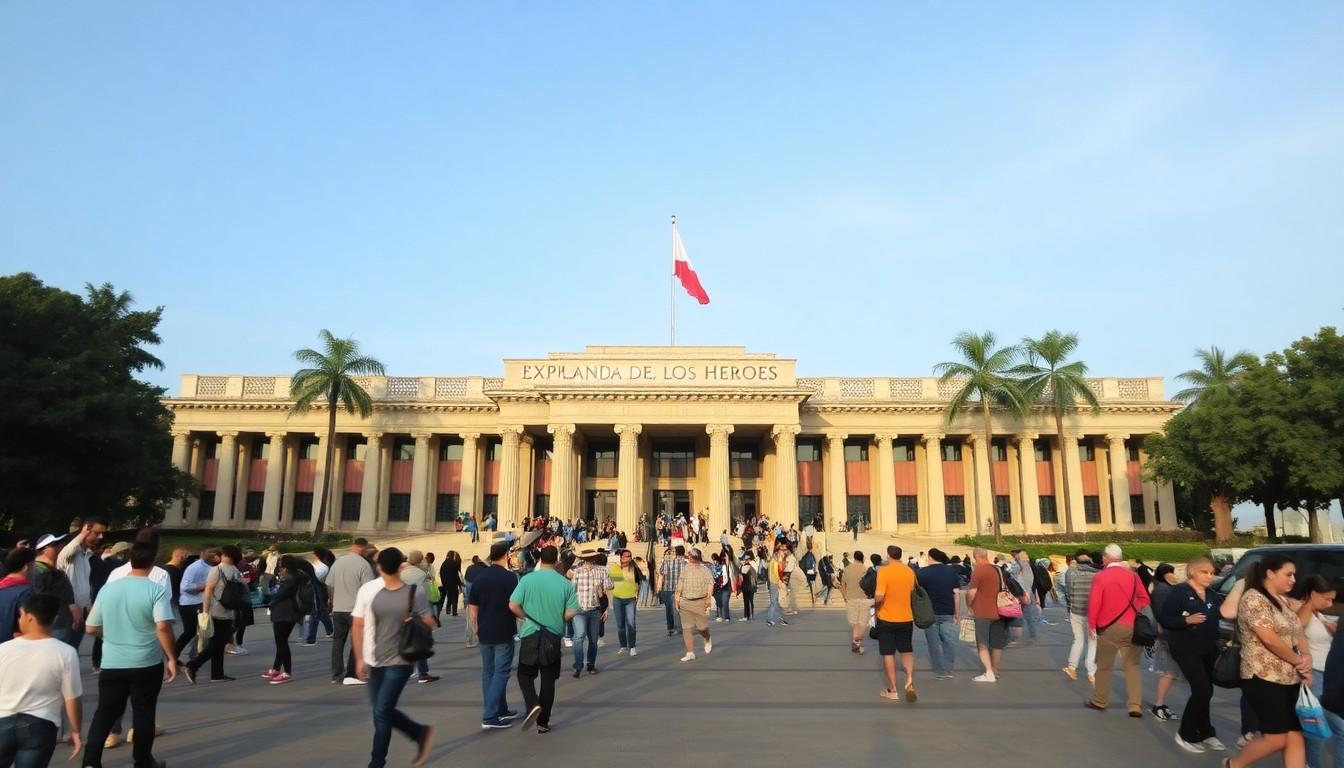
Celebrate the colour and the cause , Monterrey’s 25th Marcha de la Diversidad filled the streets as thousands turned out to mark a quarter-century of LGBTQI+ activism, music and milestones, while reminding everyone there’s still work to do for equality and safety.
Essential Takeaways
- Big turnout: Thousands of participants and vehicles gathered at General Anaya station and paraded to Explanada de los Héroes, creating a lively, colourful route.
- Cultural moment: Singer Ximena Sariñana served as event ambassador and opened with a concert, adding a festive, musical tone to the march.
- Legal gains noted: Activists highlighted wins such as marriage equality, identity-change laws and the ban on conversion therapy, yet stressed persistent challenges.
- Recognition given: Aracely Chantaka of Grupo VANGUARDIA received the Amelio Robles award for 25 years of documenting the march and allyship.
- Mixed mood: Celebration mixed with protest; organisers reminded attendees that rights won must be defended against ongoing discrimination and violence.
A colourful parade with a serious message
The march began in bright, buzzing fashion at the General Anaya metro, with rainbow flags, banners and a steady beat as people converged on foot and in car caravans. According to local reports, the atmosphere felt jubilant but purposeful, a mix of music, chanting and determined conversation. Organisers and attendees alike emphasised that the party element never eclipsed the core demand: equal rights and safety for LGBTQI+ people in Nuevo León.
Music and visibility: why an ambassador matters
Having Ximena Sariñana on stage before the mobilisation underscored how mainstream culture now links arms with activism in Monterrey. Live music draws crowds and gives the march a recognisable, celebratory face, but it also amplifies the message , visibility matters. For people who’ve never seen an LGBTQI+ presence in their daily life, a singer-led event is often the first step toward empathy and awareness.
Milestones celebrated , and what they mean in practice
Speakers reminded the crowd of concrete legal wins achieved over 25 years: marriage equality, legal recognition of gender identity and the outlawing of so-called conversion therapies in the state. Those changes translate to quieter, meaningful things , official documents that match identity, the right to marry, and protections against harmful practices. Yet activists pointed out these gains don’t automatically erase prejudice, arbitrary detentions, or social exclusion that some still face.
From repression to awards: remembering the early days
Organisers and veteran activists recalled the movement’s beginnings amid police repression and scant media coverage. The award given to Aracely Chantaka recognises that history , journalists who documented the march helped turn an underground protest into a public conversation. Public acknowledgment like the Amelio Robles prize shows how allies and the press have shifted from opponents to partners in many spheres, even if tensions persist in others.
What to watch next: policy, protests and public safety
Activists used the anniversary to urge continued vigilance: legal rights must be backed by public policy, education and enforcement to prevent aggression and discrimination. Regional reports and activist groups are pressing for concrete measures on policing, hate-crime response and inclusive services. If you care about change, supporting local organisations, attending public meetings and holding leaders to account are practical ways to keep momentum alive.
It's a small change in tone but a big one in consequence , every march reminds a city what inclusion looks like and what still needs fixing.
Source Reference Map
Story idea inspired by: [1]
Sources by paragraph: