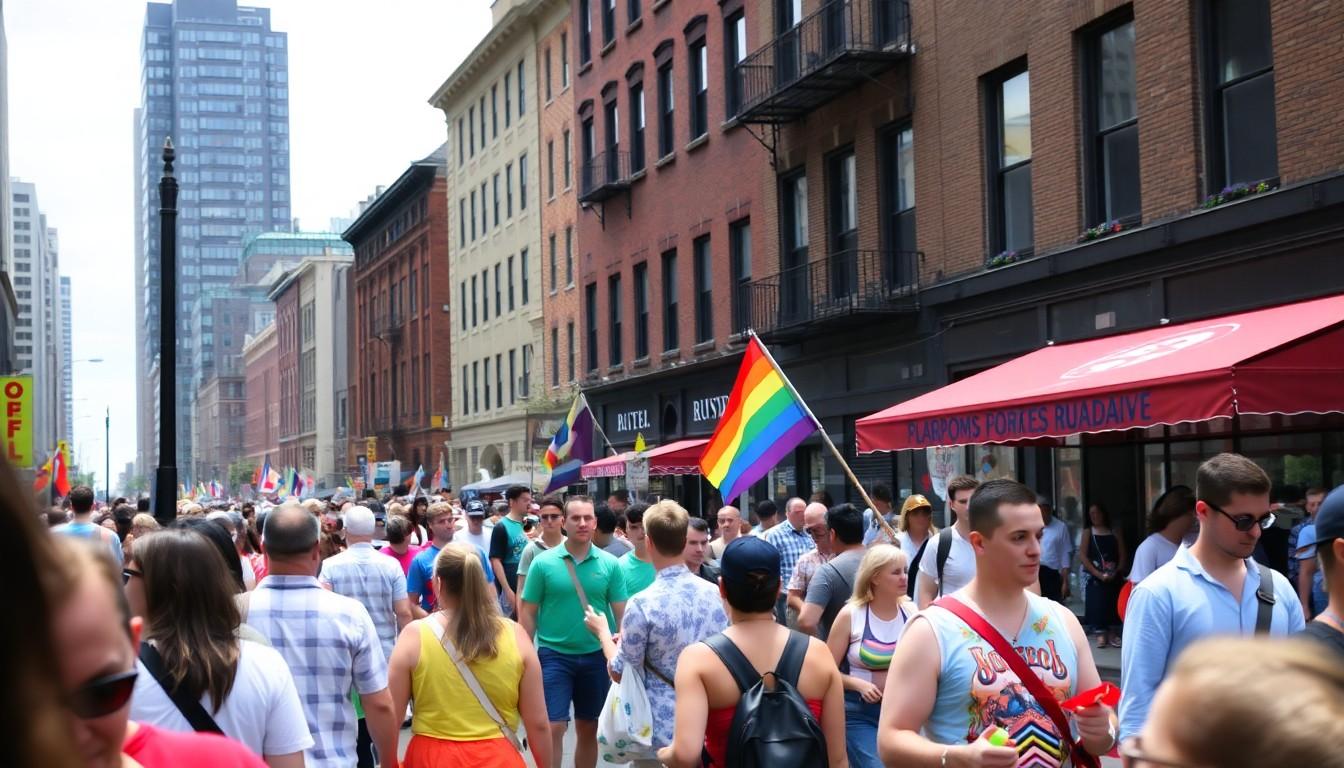
Crowds flooded downtown Portland in waves of colour, music and purpose as thousands turned out for the annual Pride Parade , a visible, joyful and political moment that celebrates identity while reminding everyone the fight for LGBTQ+ rights continues.
Essential Takeaways
- Mass turnout: Thousands attended Portland’s Pride Parade, filling the city with flags, dancing and loud support.
- Dual meaning: Attendees described Pride as both celebration and protest , joyful yet urgent.
- Generational mix: Older activists and younger marchers mingled, offering hope but also concern about recent rights attacks.
- Political presence: Local and state candidates joined the route, underlining Pride’s civic and campaigning role.
- Community feel: Many said Pride creates safe space and visibility for people who lack acceptance elsewhere.
Joy and defiance in equal measure
Portland’s streets were a bright, buzzy place , the air full of music, laughter and the occasional chant , and that mix matters. Participants told reporters the parade is a day to celebrate identity and to honour those who couldn’t be there, giving the event a texture that’s both festive and solemn. According to coverage of the event, people waved flags, danced and carried signs, making it clear Pride is as much about being seen as it is about resisting rollbacks to rights. For anyone choosing which years to keep attending, the sensory mix of colour and activism is persuasive: it feels like both a party and a protest.
Why people say Pride is still necessary
Many marchers framed Pride as a living reminder that progress isn’t guaranteed. Longtime attendees reflected on decades of change and the new threats that have emerged, explaining why they still feel the need to be visible. One participant spoke about the personal cost of that visibility, noting they avoid public displays of affection because of safety worries , a stark detail that brings the stakes home. Organisers emphasised the parade’s activist roots and local reporters picked up the same theme, showing how Pride functions as a barometer for social acceptance and a platform for rights advocacy.
Generations meeting on the route
There was a palpable sense of continuity as older campaigners marched alongside teens and twenty-somethings whose coming-of-age looks different. Veterans of earlier fights said the young people’s energy offers hope, while younger attendees said Pride is about claiming space and finding community. That intergenerational mix reshapes the day: it’s where memory and momentum meet. If you’re deciding whether to bring family members next year, consider that the parade signals belonging for people at very different life stages.
Politics in the parade , not just spectators
Local political figures were visible along the route, greeting crowds and signalling solidarity. The presence of gubernatorial and senate candidates underscored how Pride has become a place where civic engagement and campaigning intersect with celebration. For campaign-watchers, parades like this are an opportunity to show support and listen; for activists, they’re a moment to press for policy change. If you want to engage politically at Pride, bring clear questions and expect conversations that mix the personal with the policy.
How to experience Pride safely and meaningfully
If you’re heading to a parade, simple choices can make the day better: pick comfortable shoes, plan meeting points for groups, and bring water and sun protection. Be mindful of personal boundaries , not everyone wants to be photographed , and consider donating to local LGBTQ+ organisations you see on the route. For parents, Pride can be a gentle way to introduce children to diversity, but ask what the child can handle and explain the mix of celebration and protest. Above all, Pace yourself; it’s a long, emotional day for many.
It's a small change of routine that can make every Pride feel both safer and more significant.
Source Reference Map
Story idea inspired by: [1]
Sources by paragraph: