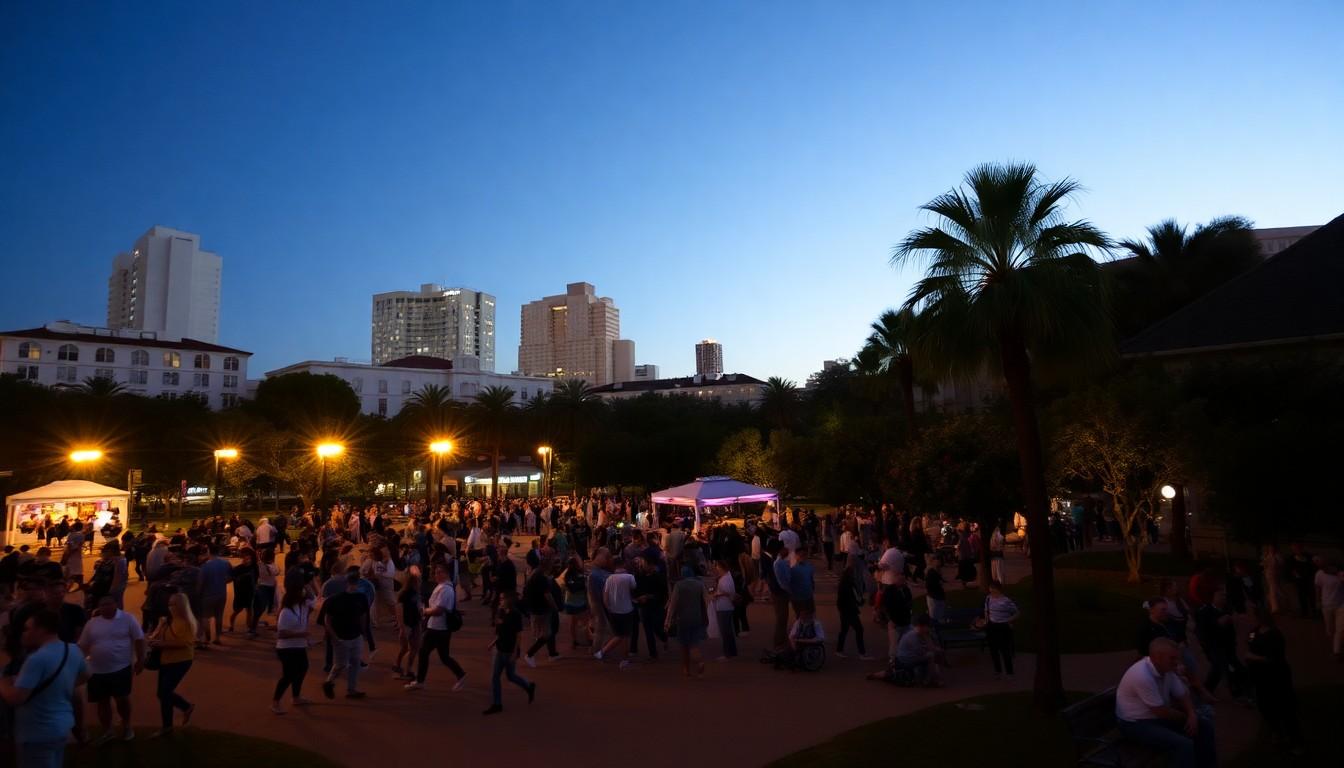
Shoppers, fans and creators turned up the colour at Q Con in West Hollywood, where more than 1,200 people gathered to celebrate queer storytelling, comics and cosplay , a free, family-friendly festival that matters for representation, community and the next wave of comic talent.
Essential Takeaways
- Attendance: More than 1,200 fans packed Plummer Park for the fifth annual Q Con, creating a lively, welcoming atmosphere.
- Creators on hand: Over 100 writers, artists, actors and cosplayers took part, including ND Stevenson, Maia Kobabe and Joe Phillips.
- Programming: Panels ranged from transgender and nonbinary creators to queer horror and LGBTQ+ Star Trek perspectives , lots of ideas, big conversations.
- Cosplay fun: The all-ages cosplay contest drew 25 entries; first place went to Dayryze as Simon from Iron Lung, with strong second and third place showings.
- Community support: Organised by Prism Comics, the event had city arts grant backing and sponsors like Oni Press and IDW, reinforcing local investment in queer media.
A bright, bold reunion for fans and creators
The vibe at Plummer Park was warm and energetic, with colourful costumes, stacks of indie zines and the quiet thrill of meeting a favourite creator. According to local reporting, more than 1,200 people showed up, which made the small park feel joyful and packed. For anyone who loves comics, it’s a relief to see an event that’s both accessible and queer-led.
Prism Comics produced the free event, sticking to its mission to promote diversity in comics and graphic novels. That volunteer-run spirit came through in every panel and table, and attendees said it felt more like a block party than a corporate con. If you want the low-pressure way to meet creators, Q Con nails it.
Panels that actually mattered to the community
Panels covered a useful mix of craft and culture , from technical portfolio tips to identity-centred conversations. Sessions on transgender and nonbinary creators and queer horror were among the most attended, signalling that representation isn’t a niche topic here, it’s front and centre. The Star Trek-themed conversation showed how mainstream franchises are being interrogated and reclaimed by queer voices.
For aspiring creators, the mix of big-name interviews and practical portfolio reviews was gold. If you’re thinking of going next time, bring a printed portfolio and some business cards; professionals were offering direct feedback on site, which is rarer than you might expect.
Cosplay, community and the joy of dressing up
Cosplay at Q Con felt inclusive and playful. The all-ages contest drew 25 entries and rewarded creativity and character work rather than costume budget. First place went to Dayryze’s eerie take on Simon from Iron Lung, while a charismatic Green and Red Lantern duo took second and a Poison Ivy and Harley Quinn team came third. Judges seemed to reward performance as much as stitchwork, which kept the contest fun for families.
If you cosplay, note that small local cons often prioritise accessibility: think lightweight wigs, breathable fabrics and easy transport. Your outfit will be appreciated more for creativity and warmth than for runway polish.
City support, nonprofit heart and industry partnerships
Q Con’s continued growth was underpinned by a mix of civic and industry support. The City of West Hollywood provided an arts grant, and sponsors included Oni Press, IDW and others, signalling that both public bodies and publishers see value in queer-focused events. City officials attended and presented a proclamation recognising Q Con’s contribution , a nice civic nod to grassroots culture.
Prism Comics remains all-volunteer, which keeps the event community-first rather than profit-driven. That structure can limit scale but preserves the authentic atmosphere that regulars praise. Expect steady, organic growth rather than blockbuster expansion.
Why Q Con matters for the future of comics
Beyond the panels and autograph lines, Q Con acts as a pipeline: fans become creators, portfolios turn into publishing opportunities, and conversations shape what mainstream comics will look like next. Representation in panels and print doesn’t just reflect change, it accelerates it. Seeing diverse voices share space with established names suggests queer storytelling is moving from the margins to the mainstream.
If you care about comics or queer media, supporting local events like Q Con is a practical way to influence that shift. Attend, buy a zine, schedule a portfolio review , small actions add up.
It's a small change that can make every comic shelf feel more like the world we actually live in.
Source Reference Map
Story idea inspired by: [1]
Sources by paragraph: