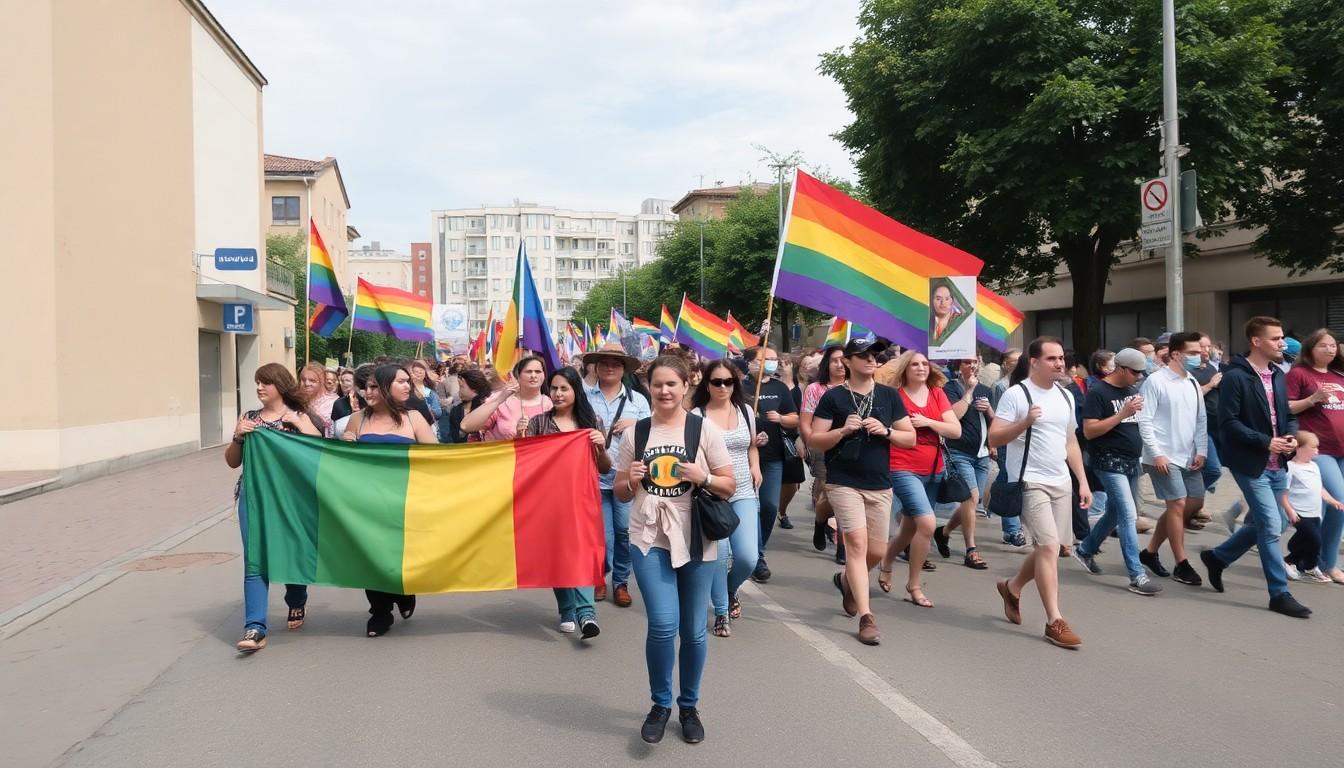
Shoppers, activists and onlookers saw a different Chișinău on 21 June , a Pride march that passed without clash, drawing a few hundred people and putting legal battles and painful discrimination stories back in the spotlight. This matters because public safety, court challenges and personal testimonies are shaping Moldova’s slow shift on LGBTQ+ rights.
Essential Takeaways
- Calm atmosphere: Around 350 people marched in central Chișinău with rainbow flags and rights-focused slogans, and the event finished without incidents.
- Visible security: Dozens of police and carabinieri kept order, and temporary traffic restrictions were in place for safety and logistics.
- Legal test case: Activist Leo Zbancă is pursuing recognition of same-sex partnerships in Moldova, a case now before higher courts.
- Personal cost: Former conscript Marin Pavlescu’s discrimination case , outing, harassment and employment refusals , remains a touchstone for why legal protections matter.
- Institutional response: Following Pavlescu’s revelations, military training measures and anti-discrimination findings have been reported by national bodies.
A peaceful Pride felt different , and you could almost breathe easier
This year’s Moldova Pride ended with people smiling instead of clashing, a change you could sense in the air as protesters and supporters moved through the capital’s centre. HotNews reported participants carrying placards with calls for safety and legal recognition, and organisers called it the most peaceful action yet. Temporary traffic restrictions and a visible security presence helped keep things orderly, but the quiet still felt like progress.
Behind that calm is a long history of tense encounters and opposition. In previous years demonstrations attracted counter-protesters and disruptions, so the absence of incidents is worth noting. For attendees, a peaceful march means a moment to speak publicly without immediate fear, and that can encourage more people to come out and share their stories next time.
Courtroom fights are now front and centre , why Leo Zbancă’s case matters
One of the main headlines coming out of the march is the legal challenge led by Leo Zbancă, who wants courts to recognise same-sex relationships. This isn’t just about symbolic recognition; it’s about access to medical information, emergency decision-making and shared property rights. Zbancă’s case reached higher courts and stands as one of the most important judicial tests for LGBTQ+ rights in Moldova.
If the courts find in favour of recognition, it would create practical benefits for couples who already live as partners but lack legal protections. Conversely, a negative ruling would underline how much legislative work remains to be done. For anyone choosing where to live or whether to bring a case, this is the kind of legal precedent that changes everyday life.
Marin Pavlescu’s story: a painful mirror of everyday discrimination
Marin Pavlescu, the former conscript whose outing in the military sparked national attention, walked with Pride and spoke openly about the personal fallout. After his orientation became known without his consent, he says he faced physical violence, sustained harassment, and more than 40 job rejections. The emotional cost was severe: Pavlescu’s mother broke contact for years.
His decision to stay in Moldova and pursue justice underlines a common dilemma: leave for safety and anonymity, or stay to press for structural change. Authorities have since recorded findings of harassment in his case and taken steps to train some military personnel, but Pavlescu’s experience shows how slow institutional responses can be and why survivors often feel the burden of change.
Public opinion is shifting, but laws lag behind
A recurring theme at the march was that social tolerance is improving, yet legal change is slow. Speakers pointed out that many heterosexual couples can choose to marry if they wish , a right not available to same-sex couples. That inequality affects practical matters like inheritance, hospital visitation and property rights, and it shapes why so many queer people consider leaving.
The government’s incremental responses , training orders in the military, investigations by equality bodies , are steps in the right direction. Still, activists say meaningful reform will require clearer laws and sustained public education to reduce the everyday hostility that doesn't always make headlines.
What to watch next , courts, training and public campaigns
Keep an eye on the legal cases stemming from these stories: high-court rulings could set precedents, and follow-up institutional training may indicate whether change is systemic or symbolic. NGOs and activists are also ramping up public awareness work; expect more information campaigns about identity, rights and anti-discrimination measures.
For supporters wondering how to help, the practical moves are simple: back legal aid funds, attend or observe public discussions, and press local representatives for clearer anti-discrimination legislation. Small civic acts add up, and sensitive personal testimonies like Pavlescu’s can be the catalyst for policy shifts.
It's a small change that can make every march and every legal victory a little bit safer.
Source Reference Map
Story idea inspired by: [1]
Sources by paragraph: