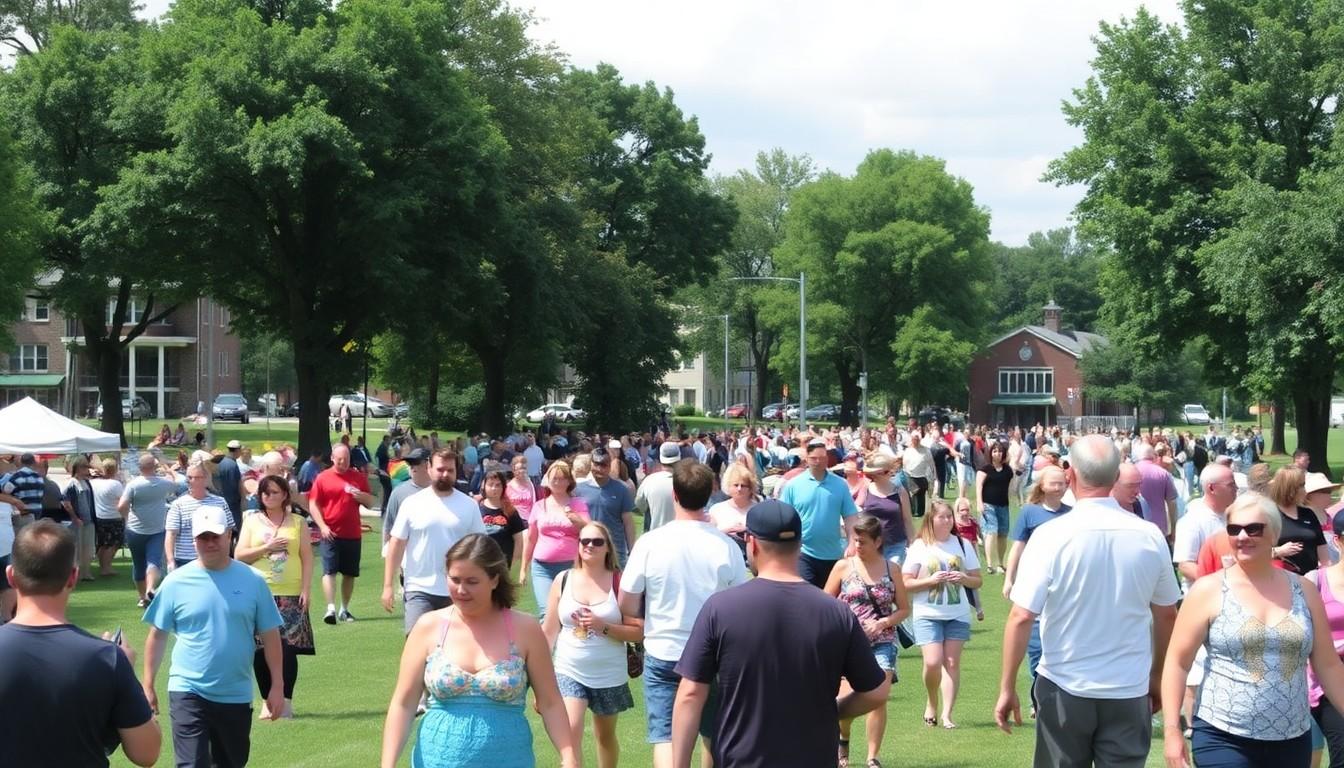
Shoppers and neighbours are turning out to Central Park as Albert Lea’s Pride festival grows; the fourth annual event brought families, faith leaders, vendors and music together to celebrate inclusion, community and connection in a lively, small‑town setting.
Essential Takeaways
- Annual tradition: Albert Lea hosted its fourth Pride celebration in Central Park, organised by the Albert Lea Convention and Visitors Bureau, drawing residents and visitors alike.
- Community mix: The festival featured local groups, vendors and performances, giving the event a cheerful, neighbourhood fair vibe.
- Faith participation: Local pastors and church members joined as an invited presence, signalling a bridge between faith communities and Pride organisers.
- Park setting: Central Park’s familiar trees, paths and bandstand created a relaxed, picnic‑friendly atmosphere that felt welcoming and easy to navigate.
- Friendly vibe: Attendees reported feeling included and connected; the event emphasised family‑friendly activities and community conversation.
A small park, a big welcome , what stood out
Central Park’s green lawn and shady benches made the festival feel like a summer fair rather than a big city rally, and that mattered to people who came for a relaxed afternoon. Vendors set up under colourful canopies, kids chased bubbles and the sound of friendly conversation filled the air. Local residents told reporters they appreciated how accessible the celebration felt, with simple logistics and a sturdy, communal mood.
How the festival came together and who organised it
The Albert Lea Convention and Visitors Bureau spearheaded the event, building on previous years to expand programming and outreach. According to local coverage, organisers focused on making Pride a community event rather than a one‑off parade, inviting civic groups, small businesses and entertainers to take part. That practical community‑first approach helped the festival feel like an organic addition to town life, not something imposed from outside.
Faith leaders showed up , and that shifted the tone
Organisers invited faith leaders to participate, and several pastors answered the call. Pastor Mary Fiel described the invitation as a chance for churches to show up and be present, and she said the most meaningful part was watching different groups come together. The visible presence of clergy created space for conversations about belonging and pastoral care, and it gave families who might be wary of Pride an easier entry point.
Why Central Park is the right backdrop for Pride
Central Park’s well‑known paths, bandstand and mature trees made it a natural setting for a festival aimed at connection rather than confrontation. The compact layout meant people could stroll between booths, listen to speakers and still catch up with neighbours. For anyone planning to attend future events, bring a picnic blanket, sun protection and comfortable shoes , the park is casual and quietly social.
What this means for small towns and the road ahead
Albert Lea’s fourth annual Pride shows how small towns can host inclusive, low‑stress celebrations that fit local rhythms. Instead of trying to copy larger Pride events, organisers leaned into community partnerships and family‑friendly programming, which helped broaden participation. If the festival keeps growing, look for more local businesses, expanded kids’ activities and continued invitations to civic and faith groups to collaborate.
It's a small change that can make every celebration feel a bit more neighbourly.
Source Reference Map
Story idea inspired by: [1]
Sources by paragraph: