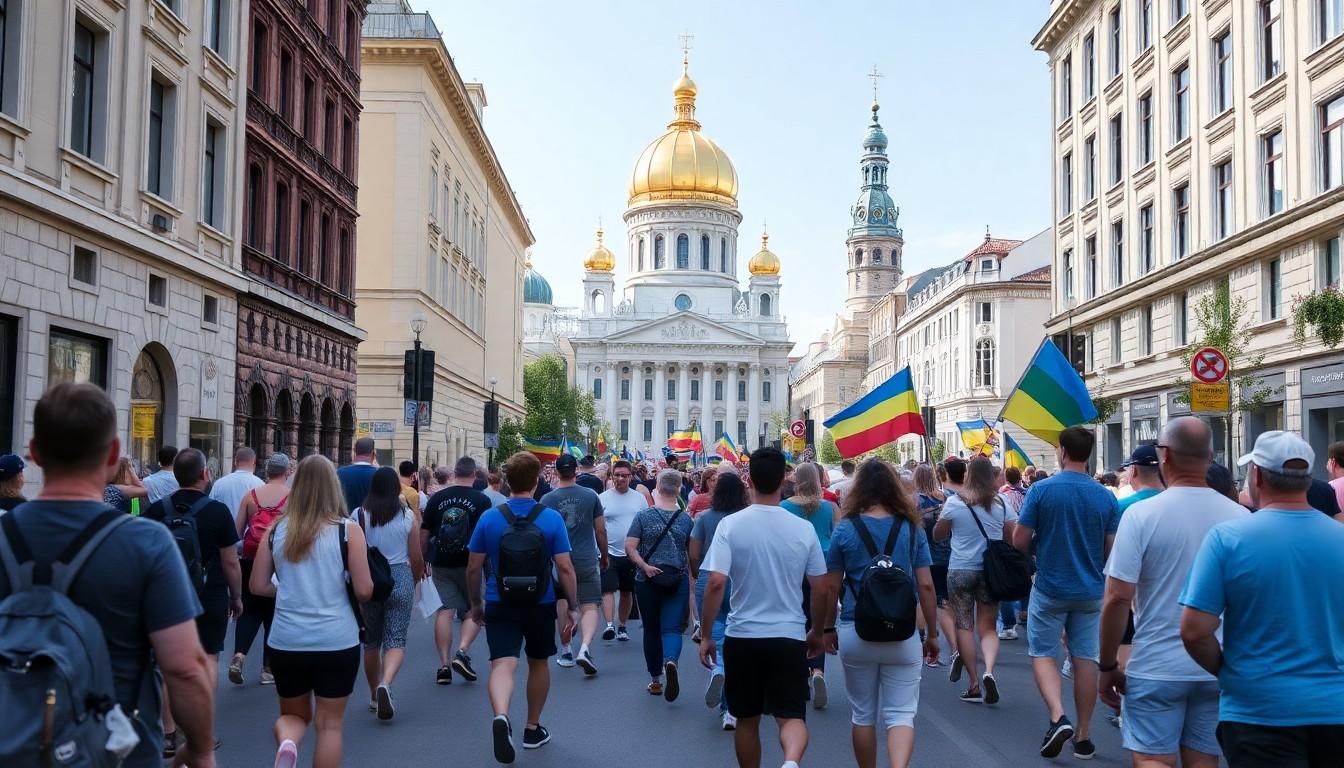
Shoppers and citizens alike watched as KyivPride drew around 5,000 people into the city centre on 21 June, blending pride, protest and wartime solidarity , a vivid statement that “Our families are part of Ukraine,” and a push for legal recognition, safety and equal treatment.
Essential Takeaways
- Largest turnout: Organisers say about 5,000 people joined KyivPride, including LGBTQ+ people, veterans, military personnel, diplomats and civil society.
- Clear demands: Marchers called to halt a draft Civil Code seen as discriminatory and to introduce civil partnerships, improved hate-crime laws and updated gender-recognition rules.
- Wartime conditions: The two-hour, 1.2 km route was interrupted by an air raid alert and explosions, a reminder that public life in Kyiv still happens under threat.
- Visible inclusivity: Banners and placards ranged from “Our families are part of Ukraine” to messages from LGBT military groups, signalling broad social participation and solidarity.
- Route and mood: The procession moved from the Red Building of Taras Shevchenko National University along central boulevards to Ploshcha Ukrainskykh Heroiv, carrying a hopeful but cautious atmosphere.
A bold street statement: thousands march under wartime skies
Around 5,000 participants took to central Kyiv for KyivPride, a number that felt both impressive and intimate in the city’s boulevards. The march had a lived-in, tactile quality , banners fluttering, voices raised, the occasional scent of rain or petrol in the air , and it sent a pointed social message. According to local organisers, the slogan “Our families are part of Ukraine” framed the day as much about belonging as about rights.
KyivPride’s decision to press on with a public march during an ongoing conflict is part of a pattern we've seen in Ukraine over the past years, where civic rituals and protests continue despite security risks. Organisers say these events are a form of normalising inclusion , insisting that LGBTQ+ lives are not peripheral, even in wartime.
If you’re wondering why timing matters, think of it this way: marching during a period of national emergency demands courage and makes the political asks harder to ignore. That visibility can push lawmakers and public conversation in a different direction.
What the march asked for: legal fixes, partnerships and protection
The protesters didn’t just carry banners; they carried a list of concrete demands. They urged authorities not to adopt a draft Civil Code they say contains discriminatory clauses, and instead to involve LGBTQ+ organisations in reform roadmaps. They called for recognition of civil partnerships for both military personnel and civilians , a step organisers frame as crucial on the path to marriage equality and to aligning Ukrainian law with European standards.
Other asks included better criminal sanctions for hate-motivated offences, modernising medical rules around gender transition to reflect WHO guidelines, and simplifying procedures for changing gender markers on official papers. These are technical but deeply personal changes that would alter daily life for many people.
For anyone following legal reform, these demands are familiar: they combine immediate protections with slow, structural alignment to European law. Activists argue that piecemeal change without community input is a missed opportunity.
The route, the mood and the moment: city centre turned podium
The march began near the Red Building of Taras Shevchenko National University, wove along Taras Shevchenko Boulevard and Yevhen Chykalenko Street, and finished close to the Ploshcha Ukrainskykh Heroiv metro station. The roughly 1.2 km route made the event compact but visible , easy for passers-by to notice, and for cameras to capture.
Visually, the day mixed standard pride colours with military camouflage and official-looking insignia as veterans and active servicemen and women joined in. That mix underlined a key point: queer Ukrainians aren’t outside the national story , they’re embedded in it, fighting, grieving, parenting and working alongside others.
If you plan to attend public demonstrations in Kyiv, note that organisers often keep routes short and publicised, and they work closely with security services to adapt to alerts. That makes events both safer and more resilient.
Air raid alerts: how wartime realities shaped the march
Partway through the event, an air raid alert was raised and explosions were reported across the capital, prompting participants to disperse while Ukrainian air defences were activated. It was a reminder that civic life in Kyiv exists under a very particular strain: any public gathering must also factor in the possibility of disruption or danger.
KyivPride events have continued during the full-scale war, organisers say, framed as both a demonstration of rights and of democratic stability. For many attendees, the choice to turn up despite the alarms carried emotional weight , solidarity and resistance folded into one.
For visitors or relatives watching from afar, it’s worth remembering that alerts are taken seriously. Organisers typically build contingency plans and briefing points into events to keep people informed and safe.
What this means next: politics, public opinion and the slow work of reform
The march was at once a celebration and a policy push. By linking wartime solidarity with an insistence on legal recognition and protection, organisers are trying to make LGBTQ+ rights part of the national recovery story, not an afterthought. According to local advocacy groups and coverage from Ukrainian outlets, the push to halt the current Civil Code draft and instead consult communities could change the tone of legislative discussions.
Looking ahead, these demands will need allies in parliament, in legal committees and among international partners to gain traction. But public demonstrations like this one make it harder for politicians to ignore the human side of reform debates. And for many attendees, being visible felt like claiming a stake in Ukraine’s future.
It's a small change that can make every civic step safer and more inclusive.
Source Reference Map
Story idea inspired by: [1]
Sources by paragraph: