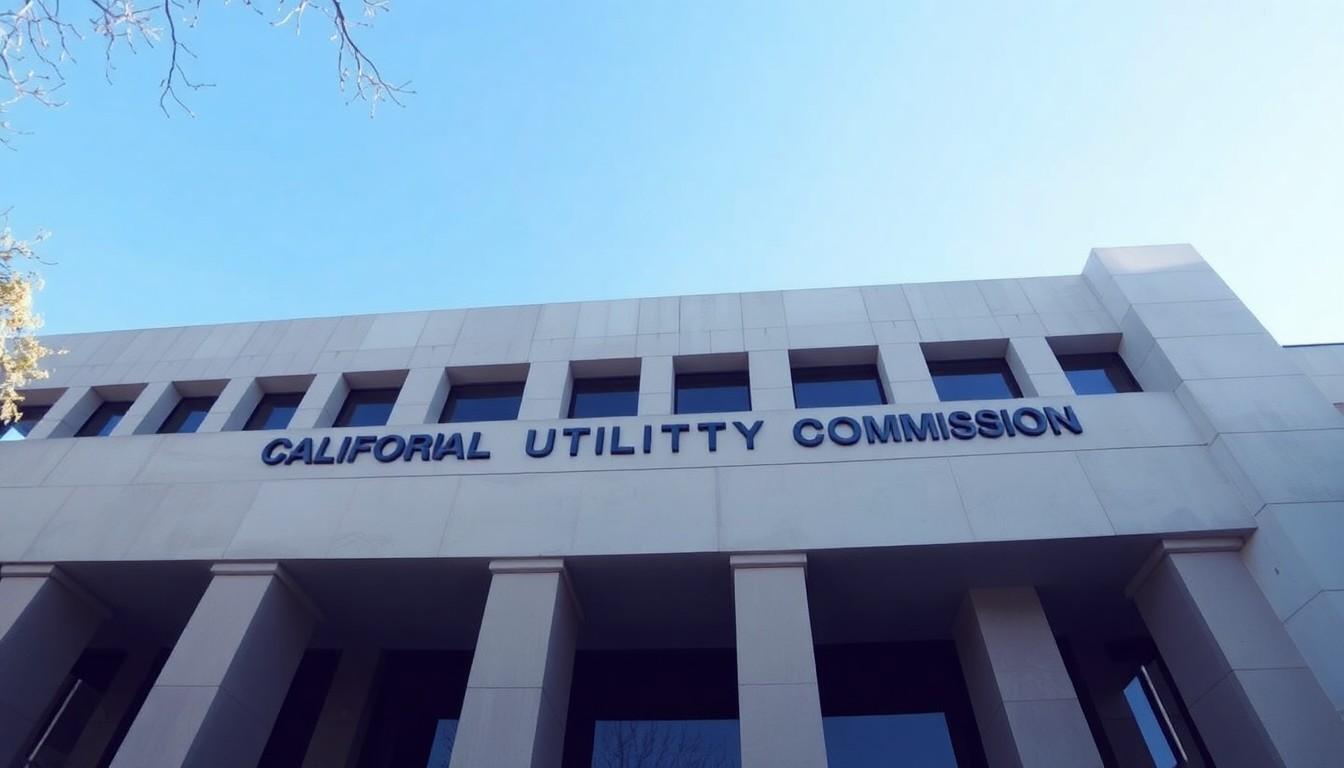
Shoppers of policy? Californians are watching as the state’s utility supplier diversity programme draws fresh questions about how businesses qualify as LGBT‑owned, who verifies intimate details like gender identity or family‑building, and why ratepayer‑funded contracting rules matter to fairness and privacy.
Essential Takeaways
- What’s at stake: The CPUC’s Supplier Diversity Program aims to steer millions in utility contracting toward small and diverse firms, including LGBT‑owned businesses, with roughly $633 million noted for LGBT suppliers in 2024.
- How certification works: Third‑party certifiers such as the National LGBT Chamber of Commerce provide eligibility letters; evidence can range from affidavits to medical notes or adoption records.
- Privacy concerns: Critics argue some qualifying documents probe sensitive personal information, sexual orientation, gender identity, family‑building, that many feel shouldn’t affect public contracting.
- Purpose and defence: The CPUC and supporters say the programme promotes economic inclusion for historically excluded groups and helps small businesses compete with larger vendors.
- Practical tip: If you run a business seeking certification, check CPUC guidance and approved certifiers’ requirements before sharing documents, and ask about redaction or confidentiality safeguards.
Why the supplier diversity rules drew headlines this month
The big, immediate fact is simple: California’s utility contracting programme now explicitly includes LGBT‑owned companies and that has raised eyebrows over what documentation proves eligibility, including personal records that feel private. Reports from national outlets described certifiers accepting letters, medical confirmation of transgender status, or proof of family‑building activities as part of an application. For consumers and taxpayers, the visual is striking , ratepayer dollars steered by identity categories that require intimate verification.
The backstory goes back decades. The California Public Utilities Commission created supplier diversity goals in the late 1980s to increase participation by women and racial minorities. Over time, the programme expanded, and the commission now lists LGBT firms among the categories it tracks and promotes. According to CPUC materials, the aim is to help small and diverse businesses thrive in utility supply chains, an ambition many see as broadly positive.
How certification actually happens and who decides
Certification is managed through a Supplier Clearinghouse and recognised third‑party organisations like the National LGBT Chamber of Commerce. Applicants typically submit business documents plus proof of ownership; for LGBT status, certifiers may accept affidavits from outside observers, letters from healthcare professionals for transgender applicants, or records tied to parenting and family‑building. That sounds clinical on paper, but it’s the kind of paperwork that makes people uncomfortable when linked to public contract benefits.
The CPUC publishes guidance on certification and on programme goals, and has updated rules in recent years to encourage broader inclusion. For firms, the practical takeaway is to familiarise yourself with the accepted forms of evidence early, so you’re not surprised by requests for clinical or legal documents. The agency also highlights confidentiality measures, though critics say more transparency on how sensitive documents are handled would calm concerns.
Privacy, fairness, and the political debate
This issue sits at the intersection of two powerful currents: a push for economic equity, and a worry about government access to intimate personal details. Opponents argue that requiring proof of sexual orientation, gender identity or family plans to access taxpayer‑backed contracts crosses a line. Supporters counter that without robust verification, the programme’s integrity would be undermined and bad actors might claim categories to gain preferential treatment.
The discussion has wider resonance because utilities touch millions of households, and procurement dollars are substantial. Industry watchers note other states and private companies are also wrestling with identity‑based supplier programmes, so California’s debate could influence how similar schemes are structured elsewhere. If you care about privacy or inclusion, this is a debate worth watching , and contributing to.
What this means for small businesses and consumers
For small businesses, certification can be a real route to new contracts and revenue, especially if utilities are actively seeking diverse suppliers to meet CPUC goals. The programme offers networking, training and visibility, alongside contract opportunities. At the same time, businesses should plan for the paperwork burden and ask certifiers about data handling, redaction and storage policies before submitting sensitive information.
For consumers and ratepayers, the practical questions are different: are diversity goals improving service competition and value, or are they introducing administrative costs and privacy trade‑offs? The CPUC frames the programme as supporting competition and economic inclusion; critics push for clearer limits on what personal data is needed. A reasonable approach is a demand for both fairness in contracting and robust privacy safeguards.
How to follow this story and what to ask next
If you want to track developments, check CPUC updates and its supplier diversity webpages for policy notices and certification FAQs. Watch for any rule‑making or public comment windows where citizens, businesses and privacy advocates can weigh in. And if you’re a business considering certification, ask certifiers about alternatives to highly personal documents, and whether redactions or sealed submissions are allowed.
It’s a practical policy debate with a human element: fairness in access to public business, balanced against the right to keep some parts of private life private.
It's a small change in paperwork that could change how public contracting recognises identity , and how comfortable people feel sharing it.
Source Reference Map
Story idea inspired by: [1]
Sources by paragraph: